
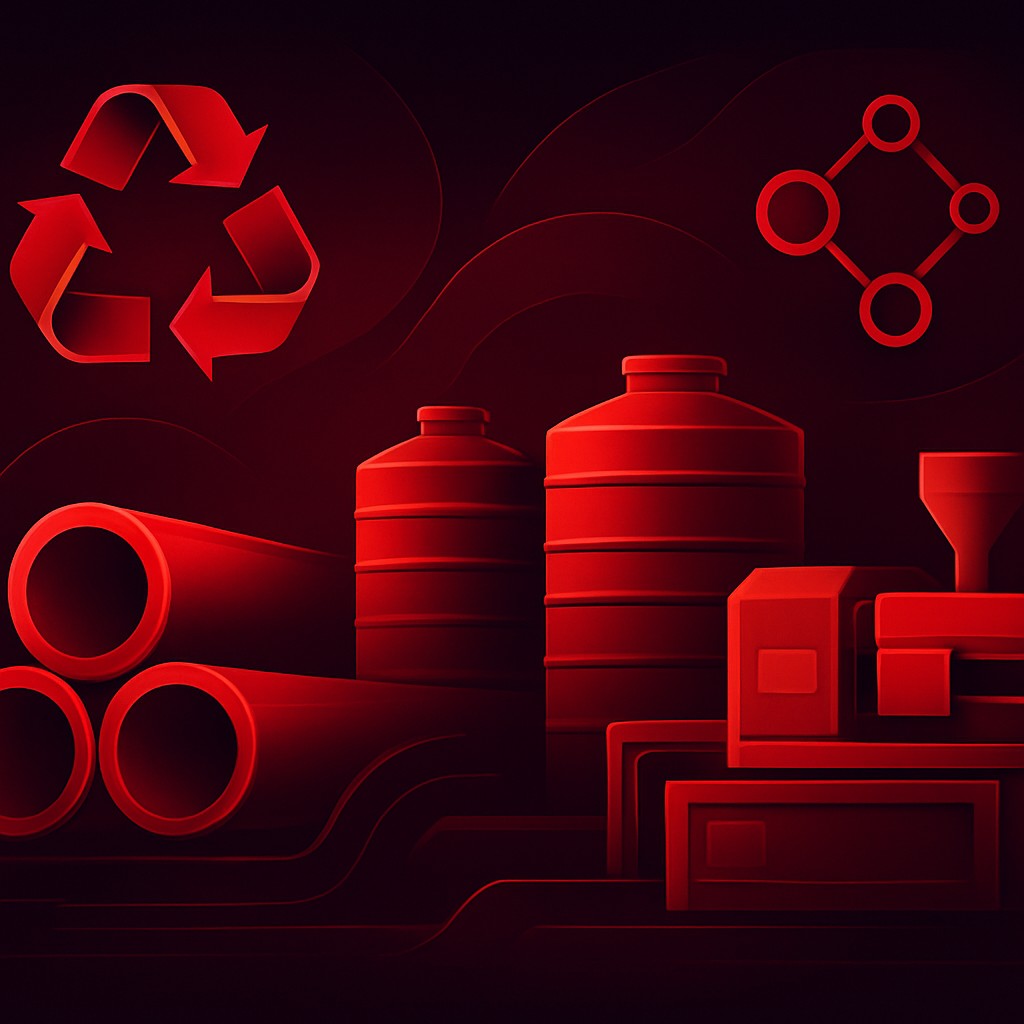
The Versatile World of Plastic Manufacturing
Plastic manufacturing is a dynamic and essential industry in Ghana, supplying products that are integral to daily life and commerce. From packaging materials and water tanks to household goods, pipes, and industrial components, plastic products serve countless applications across the economy. The sector has grown alongside urbanization and rising consumer demand, with manufacturers continually expanding their capacity and product ranges.
In recent years, the industry has also become a focal point for sustainability efforts. As awareness of plastic waste grows, leading manufacturers are investing in recycling, exploring biodegradable alternatives, and supporting circular economy initiatives. This balance between meeting demand and addressing environmental responsibility defines the modern Ghanaian plastics sector.
What Defines a Top Plastic Manufacturer
The best plastic manufacturers in Ghana are characterized by product quality, manufacturing efficiency, and a growing commitment to sustainability. They invest in modern molding and extrusion equipment, maintain consistent quality standards, and increasingly incorporate recycled materials into their processes. Reliable supply, diverse product portfolios, and responsible environmental practices distinguish the industry leaders.
The Leading Plastic Manufacturers
Interplast Limited is one of Ghana's largest and most established plastic manufacturers, renowned for producing pipes, fittings, and a wide range of plastic products used in construction, water supply, and infrastructure projects.
Poly Products (Polytank) is a household name in water storage, manufacturing the durable plastic tanks that are ubiquitous across Ghanaian homes and businesses, supporting reliable water storage nationwide.
Duraplast Ghana produces a broad range of plastic goods, including pipes, packaging, and household items, and has been active in promoting recycling and sustainable plastic practices.
Qualiplast Limited specializes in packaging solutions and plastic products, serving food, beverage, and consumer goods companies with reliable, quality packaging materials.
Mega Plast and packaging manufacturers supply films, bags, and flexible packaging that support retail, agriculture, and industrial sectors with versatile solutions.
Sanbao and household plastics makers produce a wide array of consumer plastic goods, from buckets and basins to storage containers, that are staples in Ghanaian households.
Ghana Rubber and plastic processing companies manufacture industrial and consumer plastic products, contributing to value addition and import substitution within the sector.
Niche Cocoa and packaging affiliates and similar industrial users have driven demand for high-quality plastic packaging, encouraging manufacturers to elevate standards and capabilities.
Blowplast and molding specialists focus on blow-molded products such as containers and bottles, serving beverage and chemical industries with precision-manufactured packaging.
Coliba and plastic recycling ventures round out the list, representing the growing recycling segment that collects, processes, and reuses plastic waste, supporting a more circular and sustainable plastics economy in Ghana.
Industry Trends and Sustainability
Sustainability is the defining trend in Ghana's plastics sector. With increasing attention to plastic pollution, manufacturers and entrepreneurs are investing in recycling infrastructure, collecting post-consumer plastics, and transforming them into new products. This circular approach reduces waste, conserves resources, and creates green jobs.
Innovation in materials is also advancing, with interest in biodegradable and recycled-content products. Meanwhile, demand for plastic products continues to grow across construction, agriculture, and consumer markets, encouraging investment in modern, efficient manufacturing. Policy attention to plastic waste management is further shaping industry practices toward greater responsibility.
Benefits to the Economy and Environment
Plastic manufacturing delivers important economic benefits, including employment, import substitution, and support for essential sectors such as water, construction, and packaging. Locally produced plastic goods are affordable and accessible, meeting everyday needs efficiently. The rise of recycling adds further value by reducing environmental impact, recovering resources, and fostering a sustainable circular economy that benefits communities and the planet.
Conclusion
Ghana's plastic manufacturers play a versatile and vital role in the economy, producing the products that support water access, construction, packaging, and daily living. As the industry embraces recycling and sustainability, it is evolving toward a more responsible and circular future. Through quality production and environmental innovation, these companies are well positioned to meet growing demand while contributing to a cleaner, more sustainable Ghana.
