
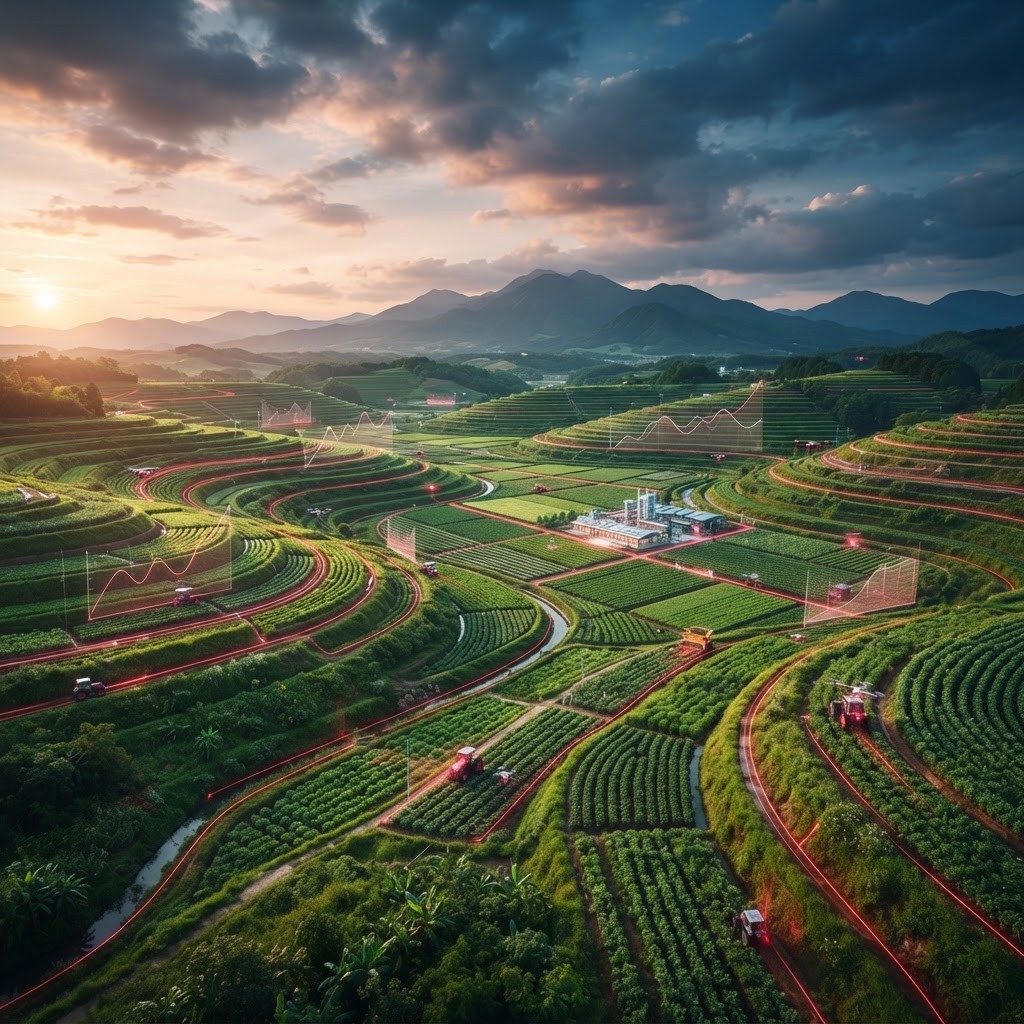
Agriculture at the Heart of Lebanon
Farming has been central to Lebanese life for millennia. The country's varied geography, from the fertile Bekaa Valley to the terraced hillsides of Mount Lebanon and the coastal plains, supports an unusually diverse range of crops. Fruits, vegetables, olives, grapes, and grains all flourish here, and agriculture continues to provide livelihoods for a significant share of rural communities while supplying both domestic markets and a growing export trade.
Despite economic headwinds and challenges around water management and input costs, Lebanese farming companies have shown notable adaptability. Many have invested in greenhouse cultivation, drip irrigation, and cold-chain logistics to raise yields, improve quality, and extend growing seasons. The result is a sector that combines deep-rooted tradition with an appetite for modern techniques.
What Defines a Leading Farming Company
The strongest farming enterprises share several traits: consistent produce quality, efficient distribution, adherence to food-safety standards, and a willingness to adopt sustainable practices. Companies that control multiple stages of the value chain, from cultivation through packing and distribution, are often best positioned to guarantee freshness and reliability. Increasingly, certifications around good agricultural practices and organic production are becoming differentiators, particularly for those targeting export markets.
Top Farming Companies in Lebanon
1. Robinson Agri is a well-established name providing agricultural solutions and high-quality produce, with a strong focus on modern growing techniques and farmer support.
2. Bekaa Valley Farms leverages the country's most fertile region to produce a wide range of fruits and vegetables at scale.
3. Cedar Green Agriculture emphasizes sustainable cultivation and greenhouse production, delivering consistent quality year-round.
4. Liban Fruits specializes in fresh fruit cultivation and distribution, serving both local retailers and export partners.
5. Mount Lebanon Organic Farms focuses on certified organic produce, catering to a growing segment of health-conscious consumers.
6. Litani Agricultural Company benefits from proximity to key water resources, supporting diverse field crops and vegetables.
7. Zahle Produce Group is rooted in one of Lebanon's agricultural heartlands, known for reliable supply and strong farmer networks.
8. Coastal Harvest Lebanon takes advantage of the milder coastal climate to grow early-season vegetables and citrus.
9. Terra Cedars Farming combines traditional terrace cultivation with modern irrigation to produce premium fruits and olives.
10. Golden Valley Agri rounds out the list with a broad portfolio spanning vegetables, herbs, and greenhouse crops.
Sustainability and Innovation
Water scarcity and rising input costs have pushed Lebanese farming companies toward efficiency. Drip irrigation, soil-moisture monitoring, and greenhouse cultivation are increasingly standard among leading players. Some are experimenting with hydroponics and integrated pest management to reduce chemical use and appeal to environmentally aware buyers. These innovations not only cut costs but also strengthen the resilience of farms against climate variability.
Export Potential and Market Trends
Lebanese produce enjoys a strong reputation in Gulf and regional markets, where the quality of fruits such as apples, cherries, and grapes is highly regarded. Companies that invest in packing, cold storage, and traceability are best placed to capture this demand. Domestically, there is growing interest in locally sourced and organic food, encouraging farms to shorten supply chains and market directly to consumers and restaurants.
Choosing a Farming Partner
Buyers and distributors evaluating farming companies should consider consistency of supply, quality certifications, packing capabilities, and reputation for reliability. Visiting farms, reviewing food-safety practices, and understanding a company's irrigation and sustainability approach all help in making an informed choice.
Conclusion
Farming remains a vital and dynamic part of Lebanon's economy and culture. The companies profiled here demonstrate how tradition and innovation can coexist to deliver quality produce for local tables and export markets alike. As the sector continues to modernize, these leaders are helping to secure the future of Lebanese agriculture.
