
Equipment Demand in a Logistics City
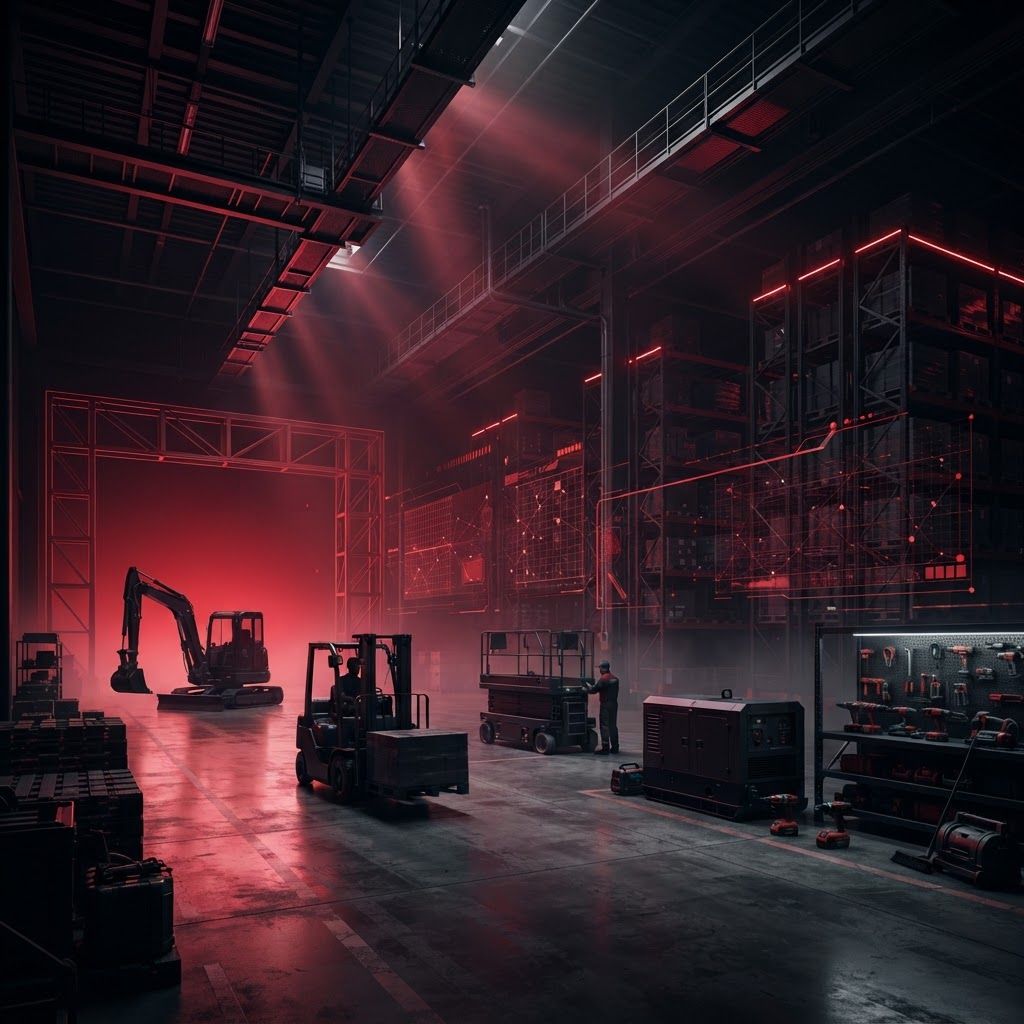
Memphis runs on movement, and movement requires equipment. The metropolitan area contains an extraordinary concentration of distribution centers, cross-dock facilities, manufacturing plants, and construction sites, all of which depend on forklifts, conveyors, aerial lifts, generators, compressors, and specialized machinery. That density has produced a mature equipment wholesale and dealer network with genuine technical depth rather than simple box selling.
The practical consequence for buyers is choice. Most equipment categories have multiple credible suppliers in the market, which supports competitive pricing and, more importantly, competitive service response. Because equipment downtime halts operations rather than merely inconveniencing them, local service capability is frequently the deciding factor in a purchase.
How to Evaluate an Equipment Wholesaler
Service capability comes first. Ask how many field technicians the supplier employs locally, what their average response time is, and whether they stock parts for the specific models you are buying. A slightly higher purchase price from a supplier with a strong local service team almost always produces lower lifetime cost than a bargain purchase serviced from another state.
Parts availability is closely related. Equipment stays in service far longer than most buyers expect, and orphaned machines with unavailable parts become expensive liabilities. Confirm parts support commitments and how long the manufacturer maintains inventory after a model is discontinued.
Total cost of ownership is the third lens. Purchase price is a fraction of lifetime cost once energy consumption, maintenance intervals, consumables, operator training, and resale value are included. Electric versus internal combustion forklifts illustrate the point clearly: the higher initial cost of electric equipment often reverses once fuel, maintenance, and indoor air quality requirements are considered.
1. Bluff City Material Handling Equipment
Bluff City Material Handling Equipment supplies forklifts, pallet jacks, order pickers, reach trucks, and warehouse racking systems. Given the density of distribution operations in the region, this is one of the busiest equipment categories in the city. The company provides fleet management services that track utilization, maintenance cost per hour, and replacement timing, which helps large operations avoid running equipment past its economic life. Operator certification training is another frequently cited strength.
2. Delta Construction Equipment Wholesale
Delta Construction Equipment Wholesale distributes excavators, skid steers, compact track loaders, compactors, and attachments to contractors and municipalities. Construction equipment must earn its keep on utilization, so the company offers purchase, rental, and rent-to-own structures that let contractors match commitment to workload. Its attachment expertise helps buyers extend one carrier machine across multiple applications, which improves fleet efficiency considerably.
3. Riverport Industrial Equipment Supply
Riverport Industrial Equipment Supply focuses on plant equipment: air compressors, pumps, blowers, hoists, conveyors, and process machinery. Industrial buyers evaluate equipment on duty cycle, energy consumption, and mean time between failures rather than sticker price. The company provides engineering support on sizing and system design, which prevents the common error of specifying equipment that is oversized, inefficient, or mismatched to actual demand. Preventive maintenance contracts and compressed air audits are notable services.
4. Cordova Food Service Equipment Wholesale
Cordova Food Service Equipment Wholesale supplies commercial kitchen equipment including ranges, fryers, ovens, refrigeration, dishwashing systems, and stainless fabrication. Restaurant equipment must satisfy health department requirements, utility connections, and ventilation codes, so the company supports kitchen design, permitting documentation, and installation coordination. Its used and refurbished inventory helps independent operators open with manageable capital, and its service department keeps existing kitchens running during peak periods.
5. Southgate Aerial Lift and Access Equipment
Southgate Aerial Lift and Access Equipment provides scissor lifts, boom lifts, telehandlers, and personnel lifts. Working at height introduces significant safety obligations, and the company emphasizes inspection compliance, operator familiarization training, and documented maintenance records. Contractors value its combination of sales and rental fleets, which lets them own core units while renting specialty configurations for specific projects rather than carrying idle capacity.
6. Memphis Power and Generator Distributors
Memphis Power and Generator Distributors handles portable and standby generators, transfer switches, uninterruptible power systems, and load banks. Severe storms periodically disrupt power across the region, making backup power a practical necessity for healthcare, data, food storage, and manufacturing facilities. The company performs load calculations, coordinates electrical installation, and provides load bank testing and maintenance so standby systems actually start when needed. That testing discipline distinguishes serious suppliers from equipment sellers.
7. Frayser Agricultural Equipment Wholesale
Frayser Agricultural Equipment Wholesale serves the surrounding Delta farming economy with tractors, implements, irrigation equipment, grain handling systems, and precision agriculture technology. Farm equipment operates under extreme seasonal pressure, where a breakdown during planting or harvest carries outsized cost. The company stocks critical parts ahead of season and offers extended service hours during peak windows. Its guidance on precision technology, including guidance systems and variable rate application, helps growers improve input efficiency.
8. Harbor Town Cleaning and Sanitation Equipment
Harbor Town Cleaning and Sanitation Equipment distributes floor scrubbers, sweepers, pressure washers, extractors, and industrial vacuums to facility services companies, schools, warehouses, and healthcare operations. Cleaning equipment reliability directly affects labor productivity, since a broken scrubber converts a machine task into hours of manual work. The company provides demonstrations in the customer's actual facility, which is the only reliable way to confirm a machine suits specific floor conditions. Chemical compatibility guidance and operator training round out the offering.
9. Germantown Medical and Laboratory Equipment Supply
Germantown Medical and Laboratory Equipment Supply serves clinics, dental practices, diagnostic labs, and research facilities with examination equipment, sterilizers, centrifuges, imaging accessories, refrigeration, and laboratory instruments. This sector carries strict calibration, validation, and documentation requirements, and the company maintains service records suitable for accreditation review. Its ability to source both new and certified pre-owned equipment helps independent practices manage capital while meeting standards.
10. Whitehaven Used Equipment and Auction Sales
Whitehaven Used Equipment and Auction Sales deals in pre-owned machinery across material handling, construction, and industrial categories. Well-maintained used equipment can deliver substantial value, particularly for lower-utilization applications, and the company supports buyers with inspection reports, hour meter verification, and service history where available. Buyers should still arrange independent inspection on major purchases, but transparent condition reporting makes this a legitimate channel rather than a gamble.
Trends in Equipment Distribution
Electrification is the most visible shift, moving from forklifts into compact construction equipment, lawn and site machinery, and material handling fleets, driven by emissions rules, indoor air quality, and falling battery costs. Telematics has become standard, giving owners utilization, fault, and location data that supports preventive maintenance instead of reactive repair. Automation continues to advance, with autonomous mobile robots and automated storage systems entering warehouses that previously relied entirely on manual handling. Finally, equipment-as-a-service models are growing as operations prefer predictable operating expense over capital purchases.
Practical Buying Guidance
Define the duty cycle before shopping, because equipment specified for the wrong utilization level fails early or wastes capital. Demand a demonstration in your own facility rather than a showroom. Request total cost of ownership modeling over the expected life, including energy, maintenance, and residual value. Verify local technician headcount and parts stocking rather than accepting general service promises. For occasional needs, compare rental economics honestly against ownership, since underused equipment is one of the most common sources of hidden operating cost.
Memphis offers exceptional equipment market depth thanks to its logistics, manufacturing, construction, and agricultural base. Buyers who prioritize service capability and lifetime cost over purchase price consistently achieve better uptime and lower total spend.
