
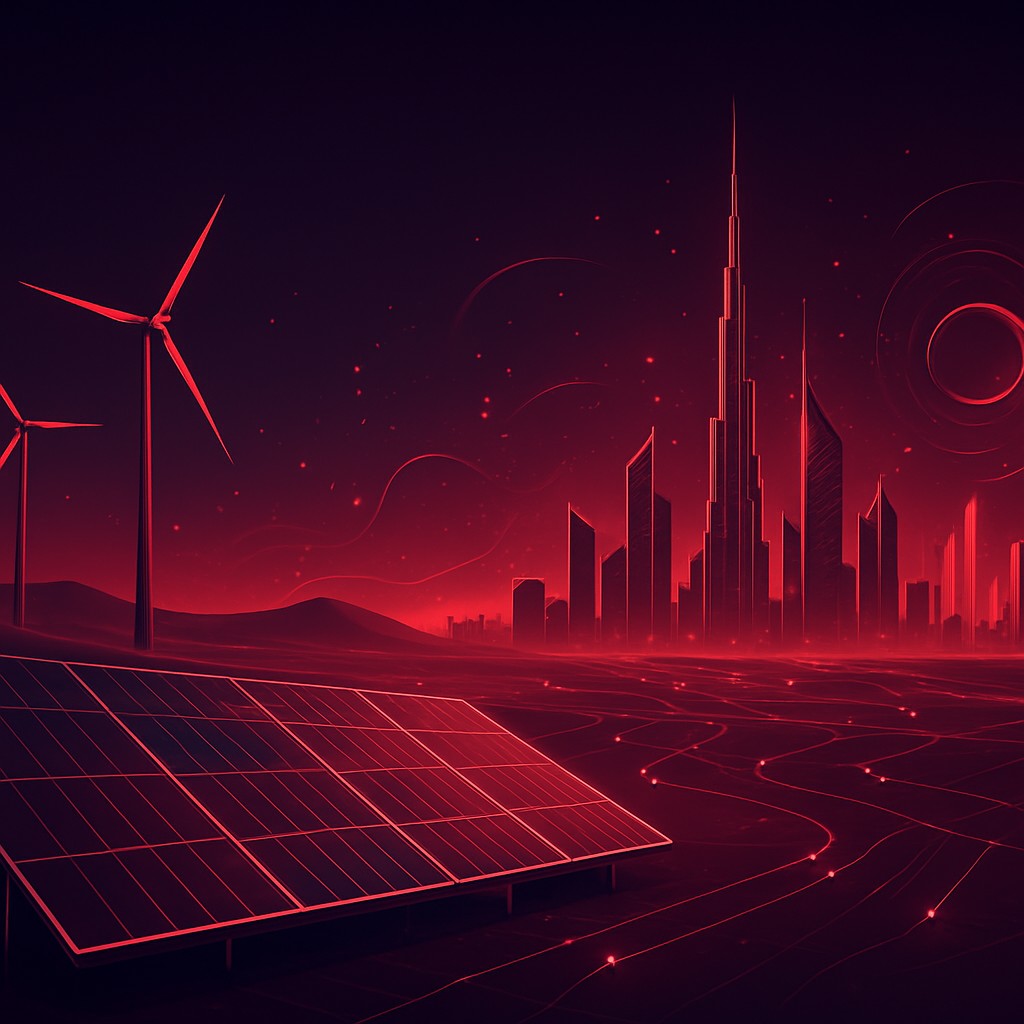
An Energy Powerhouse in Transition
The United Arab Emirates has long stood as one of the most important energy hubs in the world, and today it is rapidly evolving from a hydrocarbon stronghold into a diversified powerhouse that balances oil and gas leadership with ambitious renewable goals. The country's energy suppliers play a central role in supporting an economy that depends on reliable, affordable, and increasingly sustainable power. From large utility providers serving millions of residents to specialized firms driving solar and nuclear innovation, the sector reflects the nation's broader vision of long-term resilience and decarbonization.
As demand grows across residential, commercial, and industrial segments, the best energy suppliers in the UAE are distinguished by their reliability, infrastructure investment, customer service, and commitment to clean energy. Below is an overview of ten organizations widely recognized for shaping the country's energy landscape.
1. Abu Dhabi National Oil Company (ADNOC)
ADNOC remains the backbone of the UAE's energy industry. As one of the world's leading integrated energy groups, it manages exploration, production, refining, and distribution at an enormous scale. The company has increasingly focused on lower-carbon operations, hydrogen development, and carbon capture, positioning itself as a forward-looking supplier rather than a purely traditional producer.
2. Emirates National Oil Company (ENOC)
Headquartered in Dubai, ENOC is a fully integrated energy group serving retail, aviation, marine, and industrial customers. Known for its widespread service station network and fuel distribution capabilities, ENOC has embraced sustainability through energy-efficient stations and smart logistics.
3. Dubai Electricity and Water Authority (DEWA)
DEWA is a cornerstone utility provider delivering electricity and water to millions across Dubai. It has gained international recognition for its smart-grid initiatives and the Mohammed bin Rashid Al Maktoum Solar Park, one of the largest single-site solar projects in the world.
4. Abu Dhabi Distribution Company (ADDC)
ADDC ensures reliable electricity and water distribution across Abu Dhabi. Its emphasis on digital customer services, conservation programs, and infrastructure modernization makes it a trusted provider for households and businesses alike.
5. Emirates Water and Electricity Company (EWEC)
EWEC oversees power generation and water desalination planning across Abu Dhabi and beyond. The company is instrumental in procuring large-scale renewable and clean-energy projects, helping the emirate move toward a more sustainable supply mix.
6. Masdar (Abu Dhabi Future Energy Company)
Masdar is a global leader in renewable energy and sustainable urban development. With wind, solar, and energy-storage projects spanning multiple continents, it represents the UAE's clean-energy ambitions on the world stage while supporting domestic capacity.
7. Emirates Nuclear Energy Corporation (ENEC)
ENEC operates the Barakah Nuclear Energy Plant, a landmark clean-energy facility that supplies a significant share of Abu Dhabi's electricity. As a provider of consistent, low-carbon baseload power, ENEC plays a unique and strategic role in the national energy portfolio.
8. TAQA (Abu Dhabi National Energy Company)
TAQA is a diversified utility and energy company involved in power generation, water desalination, transmission, and distribution. Its broad portfolio and international footprint make it one of the most influential players in the regional energy market.
9. Sharjah Electricity, Water and Gas Authority (SEWA)
SEWA delivers integrated electricity, water, and gas services across Sharjah. It is recognized for steady infrastructure expansion and a growing focus on efficiency and renewable integration to meet rising demand.
10. Federal Electricity and Water Authority (FEWA)
FEWA serves the northern emirates, ensuring equitable access to electricity and water in regions outside the major metropolitan utilities. Its work is essential for balanced national development and consistent service delivery.
Key Trends Shaping the Sector
Several trends define the future of energy supply in the UAE. Renewable capacity is expanding quickly, supported by record-low solar costs and large utility-scale projects. Clean-energy diversification through nuclear and hydrogen is strengthening supply security while reducing emissions. Smart grids, digital metering, and data-driven demand management are improving efficiency and customer experience. At the same time, the country continues to leverage its hydrocarbon resources responsibly, investing in carbon-reduction technologies to maintain competitiveness.
What Sets the Best Suppliers Apart
The leading energy suppliers in the UAE share common strengths: dependable infrastructure, transparent customer service, strong sustainability commitments, and the financial stability to invest in long-term projects. They also align closely with national strategies aimed at achieving net-zero ambitions, ensuring that growth does not come at the expense of environmental responsibility.
How to Choose the Right Energy Partner
For businesses and large consumers, selecting an energy partner in the UAE involves more than comparing tariffs. Reliability of supply is critical in a region where uninterrupted power supports manufacturing, cooling, and data-intensive operations. Buyers should also evaluate a supplier's sustainability roadmap, as more companies are required to report emissions and demonstrate responsible sourcing. Additionally, the quality of digital tools, such as smart metering, real-time consumption dashboards, and responsive support, can significantly affect operational efficiency. Established providers with strong infrastructure and long-term investment plans typically offer the stability that growing enterprises need.
The Role of Energy in Economic Diversification
Affordable and reliable energy is a foundation of the UAE's economic diversification strategy. Sectors such as advanced manufacturing, logistics, tourism, and technology all depend on consistent power and competitive costs. By investing in renewables, nuclear, and grid modernization, the country's leading suppliers are not only meeting current demand but also enabling future industries that require sustainable and scalable energy solutions. This forward-looking approach reinforces the UAE's ambition to remain a regional leader well beyond the hydrocarbon era.
Conclusion
The UAE's energy suppliers form the foundation of a thriving economy and an ambitious sustainability agenda. From established giants like ADNOC and DEWA to clean-energy pioneers such as Masdar and ENEC, these organizations are powering the present while building a cleaner, more resilient future. As the nation accelerates its transition toward renewable and low-carbon energy, these suppliers will remain central to its continued success and global leadership in the sector.
