
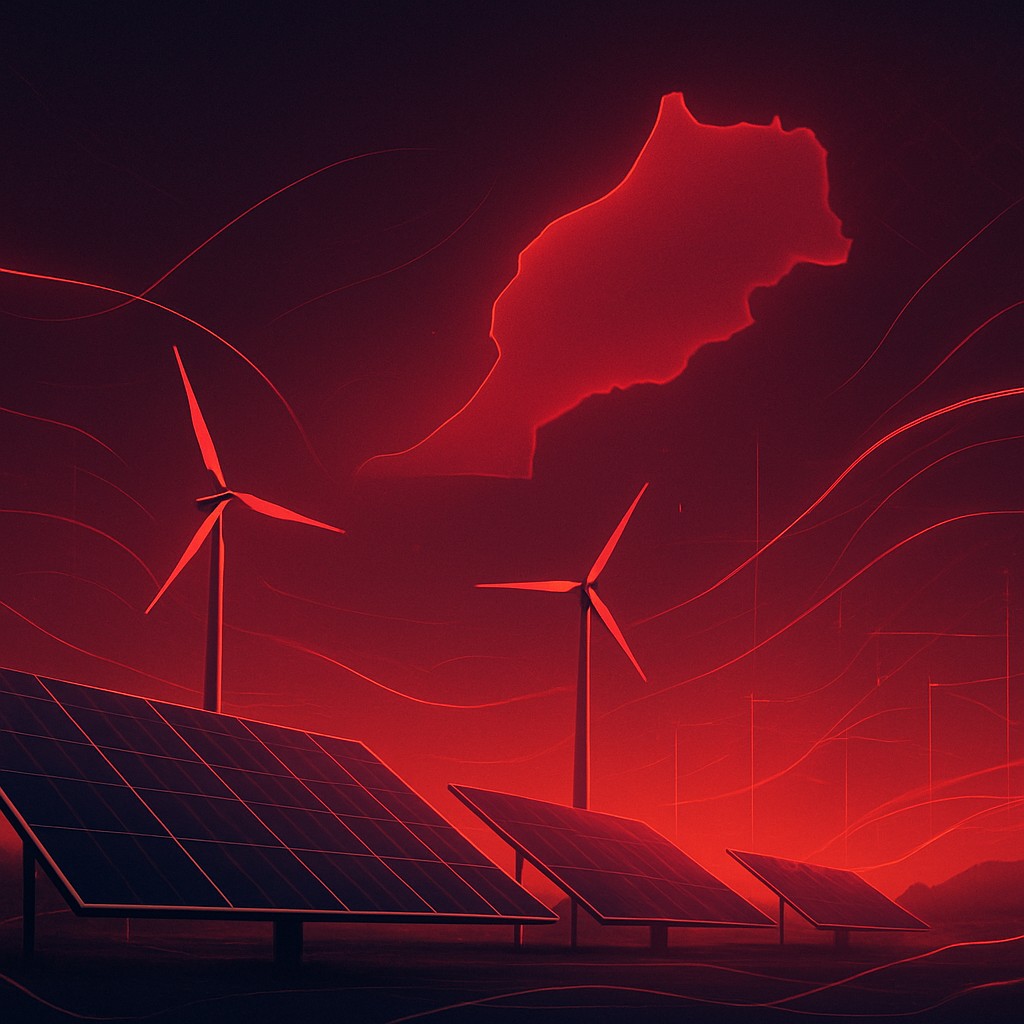
Morocco's Evolving Energy Landscape
Morocco stands out across North Africa as a country that has transformed its energy sector with remarkable speed and vision. Once heavily dependent on imported fossil fuels, the kingdom has pivoted toward a diversified energy mix that combines traditional generation with large-scale renewable projects. This shift has been driven by national strategies aimed at energy security, economic competitiveness, and climate responsibility. As a result, the country now hosts a vibrant ecosystem of energy suppliers ranging from state-backed utilities to private renewable developers.
Understanding the leading energy suppliers in Morocco helps businesses, investors, and households appreciate who powers the nation and how reliability is maintained across cities, industrial zones, and rural communities. The companies highlighted below represent the backbone of generation, transmission, distribution, and clean energy innovation in the kingdom.
The Role of National Utilities
At the heart of Morocco's energy supply sits the national electricity and water utility, which manages much of the country's transmission network and ensures power reaches even remote regions. Through extensive rural electrification programs, the kingdom achieved near-universal access to electricity, a milestone that placed it ahead of many peers in the region. This utility coordinates with independent producers, balancing demand across seasons and supporting the integration of variable renewable sources into the grid.
Alongside the national utility, regional distribution companies handle the delivery of electricity, water, and sanitation services to major urban centers. These operators play a crucial role in maintaining service quality, billing efficiency, and infrastructure upgrades in fast-growing cities such as Casablanca, Rabat, and Tangier.
Pioneers in Renewable Energy
Morocco's renewable ambitions are anchored by a dedicated agency responsible for developing solar and wind capacity at scale. This organization has overseen flagship projects, including one of the world's largest concentrated solar power complexes located near Ouarzazate. The complex symbolizes the country's commitment to harnessing its abundant sunshine to produce clean, dispatchable electricity that can serve demand even after sunset.
Wind power has likewise become a defining feature of the Moroccan energy story. Developers operating large wind farms along the Atlantic coast and in the southern provinces supply competitively priced electricity that strengthens the grid while reducing reliance on imported fuels. These projects benefit from some of the most favorable wind conditions in the world, attracting international investment and advanced turbine technology.
Independent Power Producers
Private independent power producers contribute significantly to Morocco's generation capacity. These companies build, own, and operate power plants under long-term agreements, providing both conventional and renewable electricity to the grid. Their involvement has introduced efficiency, innovation, and capital that complement public sector efforts. Several international energy groups have established a strong presence in the kingdom, partnering with local stakeholders to deliver reliable baseload power and flexible peaking capacity.
This blend of public and private participation has created a competitive yet collaborative environment. It encourages technological advancement while keeping electricity affordable for industries that depend on stable energy costs to remain globally competitive.
Natural Gas and Petroleum Distribution
Beyond electricity, Morocco's energy ecosystem includes companies that import, store, and distribute petroleum products and liquefied petroleum gas. These suppliers ensure that transportation fuels, industrial feedstocks, and household cooking gas remain available across the country. Their logistics networks span ports, storage terminals, and distribution channels that reach both densely populated cities and dispersed rural areas.
As the kingdom explores domestic gas resources and regional pipeline connections, these distributors are positioned to play an increasingly strategic role in the transition toward cleaner-burning fuels and a more resilient energy supply chain.
Key Trends Shaping the Sector
Several trends define the trajectory of Morocco's energy suppliers. First, the relentless growth of renewable capacity continues to reshape the generation mix, with solar and wind expected to represent a majority share of installed power in the coming years. Second, investments in grid modernization and energy storage are improving reliability and enabling the integration of intermittent sources. Third, green hydrogen has emerged as a frontier opportunity, with the kingdom positioning itself as a future exporter of clean molecules to European markets.
Energy efficiency programs and smart metering initiatives are also gaining momentum, empowering consumers to manage consumption and reduce waste. Together, these developments signal a sector that is innovative, forward-looking, and deeply aligned with sustainability goals.
What Sets the Leading Suppliers Apart
The most respected energy suppliers in Morocco share several differentiators. They demonstrate operational reliability, ensuring that power flows consistently to support economic activity. They invest in clean technology, recognizing that sustainability is now a competitive advantage rather than a constraint. They build strong partnerships across the public and private spheres, pooling expertise and capital to deliver complex infrastructure. Finally, they prioritize community engagement and rural access, reflecting the national vision of inclusive development.
Conclusion
Morocco's energy sector offers a compelling example of how a nation can modernize its power supply while embracing renewable leadership. The top energy suppliers in the kingdom, spanning national utilities, renewable pioneers, independent producers, and fuel distributors, collectively ensure a reliable and increasingly green energy future. For businesses and investors evaluating opportunities in the region, understanding these key players provides valuable insight into a market defined by ambition, innovation, and resilience.
