
Elderly Care as a Cornerstone of Norwegian Society
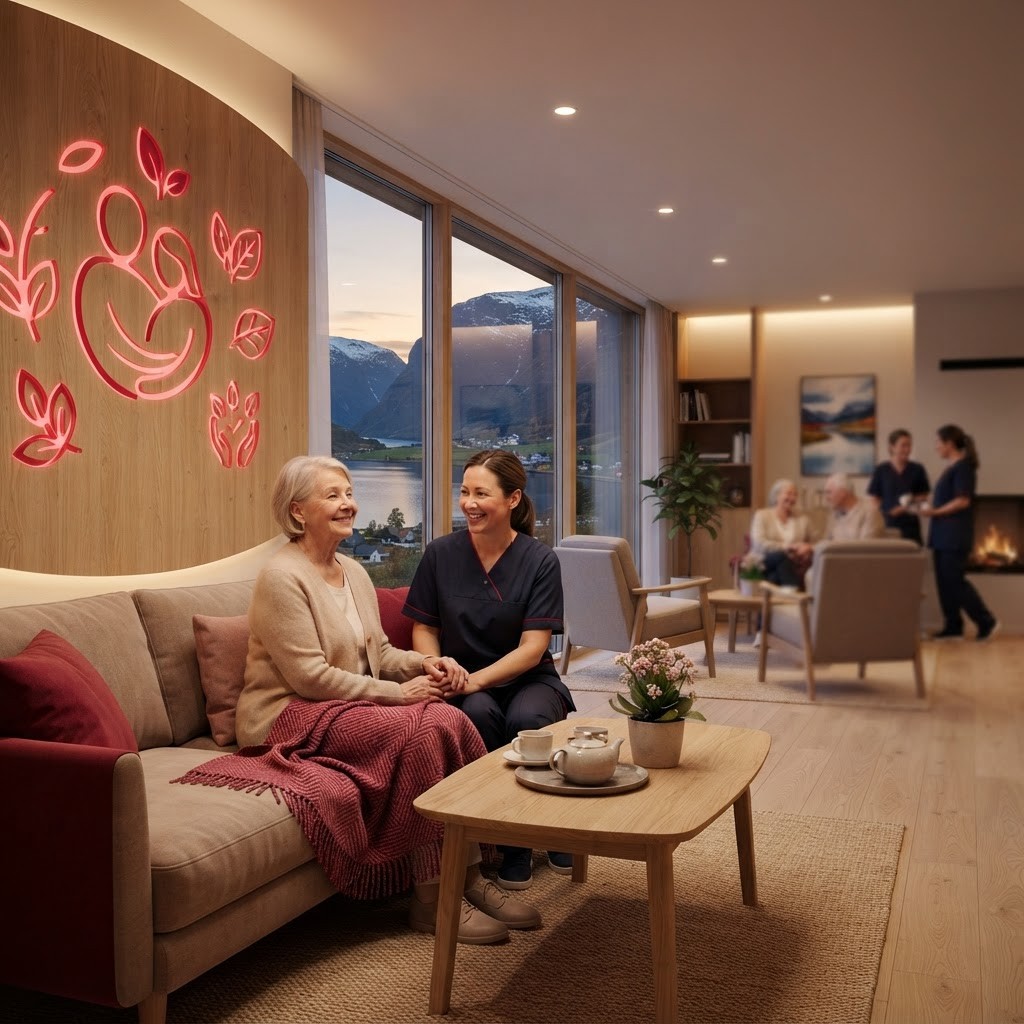
Norway is frequently praised for its comprehensive approach to elderly care, underpinned by a strong welfare system and a deep cultural respect for older generations. Care homes across the country are designed to preserve dignity, independence, and quality of life, offering residents a supportive environment where their physical, emotional, and social needs are met. The best facilities blend professional medical care with warm, homelike surroundings.
With an ageing population, demand for high-quality elderly care continues to grow. Norwegian municipalities play a central role in providing and funding care services, while private and non-profit providers complement the public system. Together, they form a robust network dedicated to ensuring that seniors receive the care and companionship they deserve.
What Defines Excellent Senior Care
The finest elderly care homes share several important qualities. Skilled and compassionate staff form the foundation, including nurses, care assistants, and specialists trained in geriatric health and dementia care. A high staff-to-resident ratio allows for personalised attention and meaningful relationships between caregivers and residents.
Quality facilities also prioritise comfortable living spaces, nutritious meals, and engaging activities that promote physical and mental wellbeing. Access to medical care, rehabilitation services, and, when needed, specialised dementia units ensures that residents receive appropriate support as their needs evolve. A strong emphasis on dignity, autonomy, and social connection distinguishes the very best providers.
Respected Elderly Care Providers
Norlandia Care is one of the leading operators of nursing homes in Norway, known for its person-centred philosophy and modern facilities. Stendi operates numerous care homes and services nationwide, offering a broad range of support for seniors with varying needs. Attendo is another respected provider recognised for its focus on quality and resident wellbeing.
Many highly regarded homes are operated directly by municipalities, such as those managed by Oslo Kommune and Bergen Kommune, which maintain rigorous standards of care. Non-profit organisations including the Norwegian Red Cross and Kirkens Bymisjon also contribute valuable services, often with a strong emphasis on community and compassion.
Diakonhjemmet Omsorg combines faith-based values with professional care, while Cathinka Guldberg-senteret is well known in Oslo for its dedicated senior services. Lovisenberg Omsorg and Nordre Aasen round out the list, each offering thoughtful, resident-focused care within welcoming environments.
Types of Care Available
Elderly care in Norway spans a spectrum of services. Some seniors require only light support, receiving home-based assistance that allows them to remain in their own residences. Others benefit from sheltered housing, where they live independently but have access to help when needed. For those requiring more intensive support, nursing homes provide round-the-clock care, including medical supervision and assistance with daily activities.
Specialised dementia care is a particularly important area. The best homes offer dedicated units with trained staff and thoughtfully designed environments that promote safety, familiarity, and calm. This tailored approach helps residents with cognitive challenges maintain their sense of security and wellbeing.
Trends in Elderly Care
Technology is playing an increasing role in Norwegian elderly care. Welfare technology, including safety sensors, digital communication tools, and health monitoring systems, helps caregivers respond quickly and supports residents' independence. These innovations complement, rather than replace, the human care that remains central to quality of life.
There is also a growing focus on activity and engagement. Leading homes offer varied programmes including exercise, cultural activities, and opportunities for social connection, recognising that an active and meaningful life contributes greatly to wellbeing in older age. Intergenerational initiatives and community involvement further enrich the experience for many residents.
Choosing the Right Care Home
Selecting an elderly care home is a significant decision that involves careful consideration of a resident's medical needs, preferences, and personality. Families should evaluate the level of care provided, the qualifications of staff, and the atmosphere of the facility. Visiting in person offers valuable insight into daily life, cleanliness, and the warmth of interactions between staff and residents.
Location and proximity to family can also be important, as regular visits contribute significantly to residents' happiness. Understanding the funding and admission process, which often involves the local municipality, is another essential step in securing appropriate care.
The Role of Family and Community
While professional care is at the heart of Norway's elderly services, family and community involvement remain deeply important. Care homes actively encourage regular visits, family participation in care planning, and involvement in social events, recognising that strong personal relationships significantly enhance residents' quality of life. This collaborative approach helps residents maintain their sense of identity and connection to the wider world.
Community engagement is also a growing priority. Many homes partner with local schools, volunteer organisations, and cultural groups to bring activity and vitality into daily life. Shared meals, music, gardening, and seasonal celebrations create a warm, homelike atmosphere. This emphasis on belonging and purpose reflects a broader Norwegian belief that ageing should be lived with dignity, engagement, and joy.
Conclusion
Norway's elderly care homes exemplify the nation's commitment to treating older citizens with dignity and respect. Through a combination of skilled staff, comfortable environments, and comprehensive support, these facilities help seniors live safely and meaningfully. Whether provided by municipalities, private operators, or non-profit organisations, the country's leading care homes offer families reassurance that their loved ones are in caring, capable hands.
