
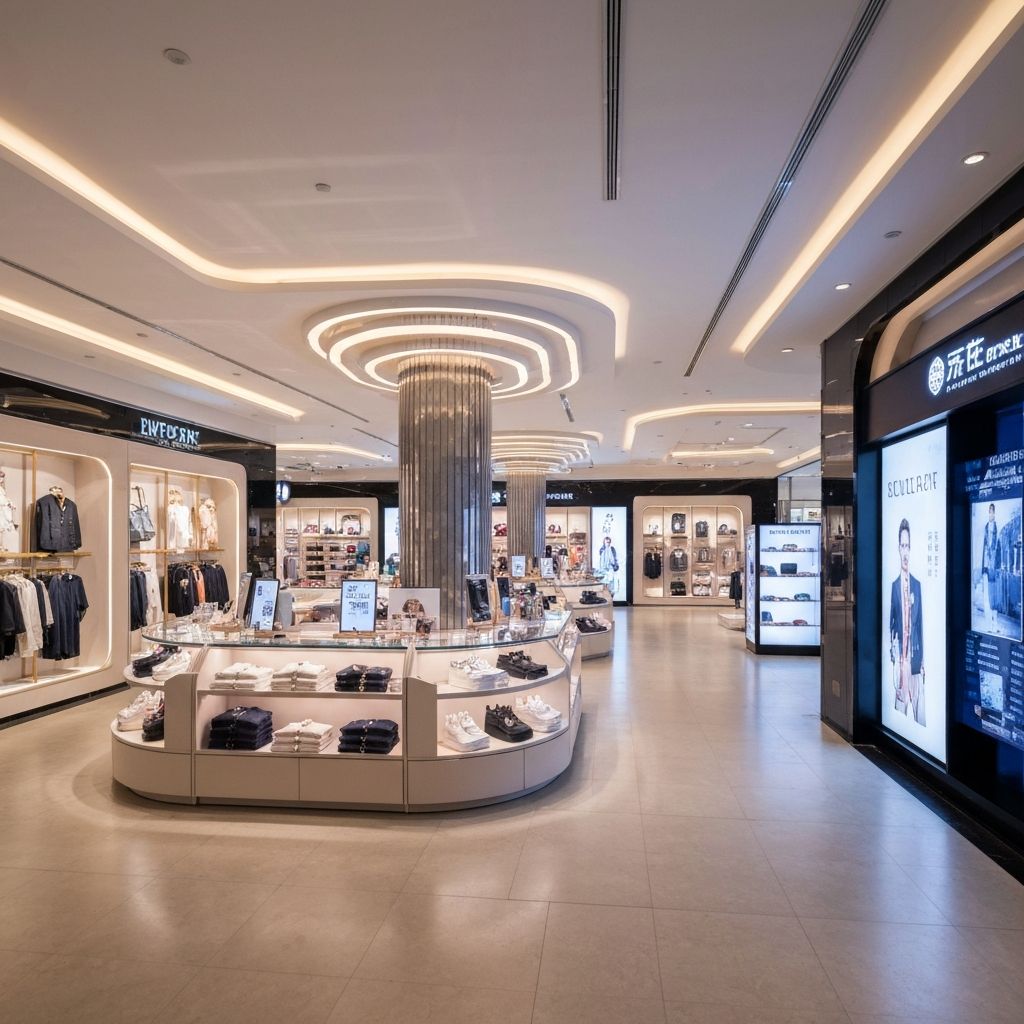
The Department Store Phenomenon in India
Department stores transformed Indian retail by introducing organized, branded shopping experiences in air-conditioned environments with standardized pricing. Before their emergence, Indian shopping largely meant navigating crowded markets, negotiating with vendors, and uncertain product authenticity. Department stores brought trust, convenience, and aspiration to Indian retail, creating spaces where families could spend entire days exploring merchandise across categories.
The Indian department store format has evolved to suit local preferences, combining international retail practices with understanding of Indian shopping behaviors. The best department stores offer curated selections across fashion, beauty, home goods, and accessories, creating comprehensive shopping destinations that cater to diverse family needs. Their festive promotions, loyalty programs, and customer service standards set benchmarks for Indian retail.
Shoppers Stop: Pioneer of Indian Department Stores
Shoppers Stop holds the distinction of introducing the department store format to India in 1991, fundamentally changing how Indians shop. Their stores offer premium and bridge-to-luxury fashion brands across men's wear, women's wear, kids' clothing, and accessories. Shoppers Stop's First Citizen loyalty program has built strong customer relationships through rewards and exclusive benefits. Their beauty sections featuring international and domestic brands have become destinations for cosmetics and personal care shopping. The brand continues to evolve, integrating digital capabilities while maintaining the personalized service that defines their appeal.
Lifestyle: Fashion-Forward Retailing
Lifestyle stores position themselves as fashion destinations for style-conscious consumers seeking contemporary trends. Part of the Landmark Group, Lifestyle offers fashion, accessories, beauty, and home products curated for the modern Indian consumer. Their in-house brands complement a selection of national and international labels, providing options across price points. Lifestyle's store ambiance, visual merchandising, and regular collection updates create dynamic shopping environments that encourage exploration and discovery.
Westside: Tata's Fashion Retail
Westside, part of Tata's Trent Limited, has built a loyal following through its own-brand strategy offering fashionable clothing at accessible prices. Unlike multi-brand department stores, Westside primarily features in-house labels across categories, enabling quality control and competitive pricing. Their women's wear, particularly the Zudio budget range, has gained significant popularity. Westside's clean store layouts and consistent quality have earned them devoted customers who appreciate value without compromising on style.
Central: Seamless Shopping Experience
Central, part of Future Group, introduced the seamless shopping concept where merchandise across brands flows continuously without designated brand spaces. This format enables easy comparison shopping and discovery of new brands. Central stores feature fashion, beauty, and accessories with a focus on mid-market brands appealing to value-conscious fashion consumers. Their frequent sales and promotional events create compelling value propositions that attract deal-seeking shoppers.
Pantaloons: Affordable Fashion Destination
Pantaloons has positioned itself as India's destination for affordable fashion, offering trendy clothing at budget-friendly prices. Now part of Aditya Birla Fashion and Retail, Pantaloons stores feature a mix of own brands and external labels catering to family shopping needs. Their strength lies in understanding middle-class Indian fashion preferences and delivering relevant collections at competitive prices. Pantaloons' extensive presence across tier-2 and tier-3 cities brings organized fashion retail to underserved markets.
Max Fashion: Value Fashion Leader
Max Fashion has captured significant market share in the value fashion segment, offering trendy clothing at remarkably accessible prices. Part of the Landmark Group, Max targets young, fashion-forward consumers who desire style without budget constraints. Their frequent collection updates keep stores fresh and relevant, encouraging regular visits. Max's expansion into smaller cities and towns has democratized fashion, making trendy clothing available beyond metro markets.
Reliance Trends: Mass Market Fashion
Reliance Trends, part of Reliance Retail, addresses mass-market fashion needs with extensive collections across apparel and accessories. Their stores feature a mix of own brands and external labels providing comprehensive family shopping options. Reliance Trends' aggressive pricing and frequent promotions appeal to value-conscious consumers. Their integration with the broader Reliance retail ecosystem and Jio digital services creates connected shopping experiences.
Brand Factory: Off-Price Retail
Brand Factory introduced the off-price retail concept to India, offering branded apparel at discounted prices year-round. Their stores feature past-season merchandise and special make products from popular brands at significant markdowns. Brand Factory appeals to brand-conscious consumers who seek quality labels without premium pricing. This format has found particular success in price-sensitive markets where brand aspiration meets budget constraints.
Globus: Fashion Specialty Retail
Globus has carved a niche as a fashion specialty retailer offering curated collections for style-conscious consumers. Their stores feature a mix of own labels and selected external brands presenting a cohesive fashion point of view. Globus' strength lies in understanding urban fashion preferences and delivering relevant collections that resonate with their target audience. Their store experiences emphasize service and styling assistance that differentiate them from larger format competitors.
Spencer's: Heritage Department Store
Spencer's represents one of India's oldest organized retail names, dating back to British era trading companies. While now primarily focused on hypermarket formats, Spencer's heritage in department store retailing contributed to organized retail development in India. Their current stores combine grocery and general merchandise, serving as neighborhood shopping destinations in various cities.
The Future of Department Store Retail
Indian department stores face evolving challenges from e-commerce, fast fashion retailers, and changing consumer preferences. Successful players are responding through digital integration, experiential retail concepts, and personalized services that online shopping cannot replicate. Private label development enables margin improvement while differentiation from competitors. Beauty and personal care sections are expanding as high-growth categories. The department stores that thrive will be those that reinvent themselves while maintaining the trust and service standards that built their reputations.
Whether seeking fashion inspiration, beauty products, or gifts, India's department stores offer organized shopping experiences that simplify purchasing decisions while providing quality assurance that independent retail cannot always guarantee.
