
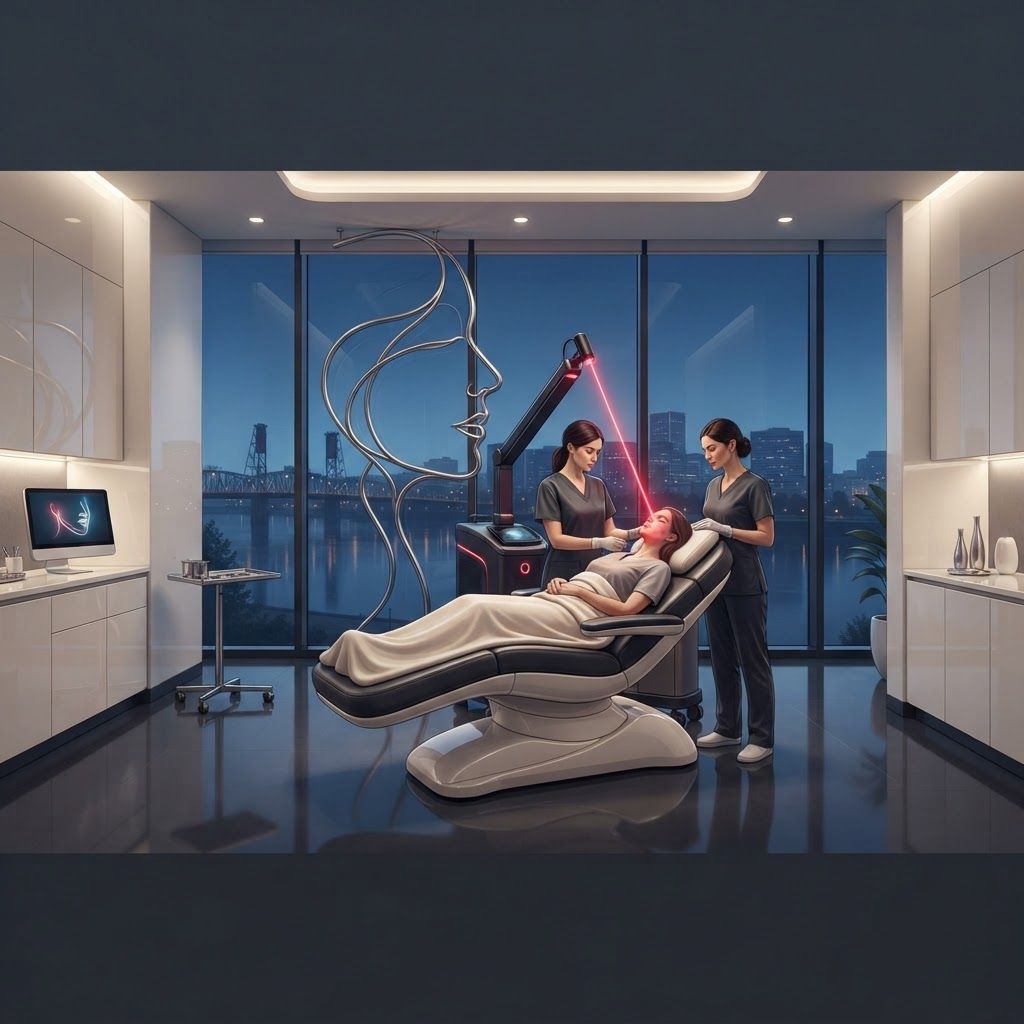
The Portland Approach to Aesthetic Medicine
Cosmetic surgery in Portland tends to reflect the city's broader cultural preferences: understated, natural-looking outcomes rather than dramatic transformation. Surgeons practicing here frequently describe patients who want to look rested and proportionate rather than obviously altered. That preference shapes technique selection, with growing emphasis on fat grafting, tissue preservation, and combination approaches that pair modest surgery with skin-quality treatments.
The market also benefits from the region's academic medical presence. Portland supports a concentration of fellowship-trained plastic surgeons, facial plastic surgeons, and oculoplastic specialists, many of whom maintain hospital privileges alongside private practice. For patients, this depth translates into meaningful choice, but it also raises the importance of matching the right specialist to the right procedure.
Ten Respected Cosmetic Surgery Practices
1. The Portland Center for Facial Plastic Surgery
Focused exclusively on the face, neck, and nose, this practice concentrates on rhinoplasty, facelift and neck lift surgery, blepharoplasty, and facial rejuvenation. Practices with a narrow anatomical focus often appeal to patients seeking high-volume experience in a single procedure category rather than a generalist approach.
2. Waldorf Center for Plastic Surgery
The Waldorf Center is well known in the Portland market for breast surgery, body contouring, and facial procedures, supported by an integrated medical aesthetics department. Patients frequently cite thorough consultations, in-house skin care programming, and continuity between surgical and non-surgical treatment planning.
3. The Portland Plastic Surgery Group
This established group practice offers a comprehensive range of reconstructive and cosmetic services, including post-mastectomy breast reconstruction alongside elective aesthetic surgery. Practices that maintain a reconstructive caseload often bring advanced tissue-handling and microsurgical skills into their cosmetic work.
4. Skinsational and Medical Aesthetics Clinics
Portland's non-surgical sector has expanded quickly, and clinics in this category focus on injectable neuromodulators, dermal fillers, laser resurfacing, microneedling with radiofrequency, and body contouring devices. For patients seeking maintenance rather than surgery, these practices provide lower-downtime alternatives under medical supervision.
5. Aesthetic Surgery Center of Portland
Offering a broad menu spanning abdominoplasty, liposuction, breast augmentation, and facial surgery, this type of full-service center is often selected by patients pursuing combination procedures. Consolidating multiple operations into a single anesthesia event can reduce total recovery time when the surgeon deems it safe.
6. Oregon Oculoplastic Consultants
Oculoplastic surgeons specialize in the eyelids, brows, tear ducts, and orbit. Because periorbital surgery has both functional and aesthetic dimensions, patients with drooping upper lids, under-eye hollowing, or asymmetry commonly seek this subspecialty rather than a general cosmetic practice.
7. Sanctuary Plastic Surgery and Med Spa
Practices structured around a combined surgical and medical spa model allow patients to progress gradually. A patient might begin with injectables and skin treatments, then move to surgery years later within the same practice, maintaining a single clinical relationship and consistent aesthetic philosophy throughout.
8. Northwest Face and Body
Serving the greater Portland and Vancouver area, this category of practice pairs facial aesthetics with body contouring and offers accredited in-office surgical suites. Accredited office-based surgical facilities can reduce cost relative to hospital operating rooms while maintaining anesthesia safety standards.
9. OHSU Plastic and Reconstructive Surgery
Academic medical center practices bring a distinct value proposition: complex revision cases, reconstructive expertise, multidisciplinary tumor and trauma coordination, and physicians engaged in teaching and research. Patients with prior surgical complications or unusual anatomy frequently begin here.
10. Rejuvenation Medical Practices and Dermatologic Surgery Clinics
Board-certified dermatologists performing cosmetic dermatologic surgery round out Portland's market. Their scope typically includes excisional procedures, chemical peels, laser therapy, hair restoration, and scar revision, with particular strength in skin cancer treatment combined with aesthetic closure techniques.
How to Verify Credentials
Credentialing is the most important step and the most frequently skipped. Confirm certification by an appropriate specialty board, which for cosmetic surgery generally means plastic surgery, facial plastic and reconstructive surgery, dermatology, oculoplastic surgery, or otolaryngology depending on the procedure. Verify that the surgeon holds hospital privileges for the same procedures performed in office, and confirm that any office-based operating room carries recognized accreditation.
Ask how many times the surgeon has performed your specific procedure in the past year, and request before-and-after photographs of patients with anatomy similar to yours. Ask directly about complication rates, revision policies, and who manages after-hours concerns during recovery.
Understanding Cost and Recovery
Cosmetic procedures are elective and rarely covered by insurance, although functional components such as obstructed vision from eyelid ptosis or breathing impairment from a deviated septum may qualify. Quoted prices should clearly separate surgeon fees, anesthesia fees, facility fees, garments, and follow-up visits. Financing plans are commonly available, but patients should understand interest terms before committing.
Recovery planning deserves equal attention. Portland patients often underestimate how much support they will need in the first week, particularly for abdominal or breast procedures with lifting restrictions. Arranging transportation, childcare, and time away from work in advance meaningfully improves the experience and reduces complication risk.
Trends in the Local Market
Several trends stand out. Regenerative adjuncts such as fat grafting and platelet-rich plasma continue to gain adoption. Energy-based skin tightening devices have improved enough to delay surgical intervention for some patients. Male aesthetic procedures are rising, particularly gynecomastia correction and neck contouring. And virtual consultations remain common as an initial screening step before in-person examination.
Final Thoughts
Selecting a cosmetic surgery clinic in Portland should be a deliberate, credential-driven process rather than a price comparison. Consult with at least two surgeons, prioritize subspecialty alignment with your goals, and choose the practice whose aesthetic results look natural to your eye. The best outcomes come from a clear plan, realistic expectations, and a surgeon who is candid about what a procedure can and cannot achieve.
