
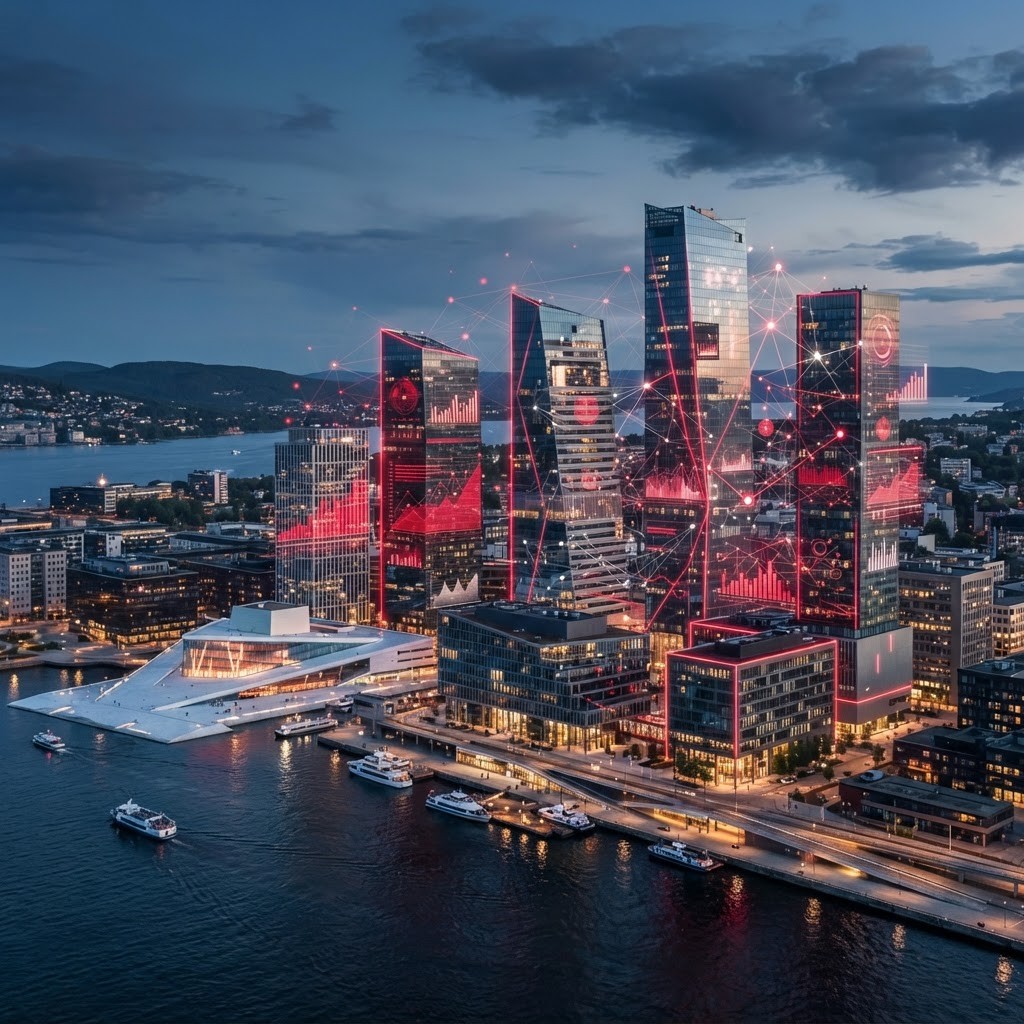
The Backbone of Norway's Business Landscape
Commercial real estate is a vital component of Norway's economy, encompassing office buildings, retail centres, industrial facilities, and logistics hubs. The companies operating in this sector shape the physical environment in which businesses grow and thrive. Norway's leading commercial real estate firms combine deep market knowledge, strong financial expertise, and a commitment to sustainability, positioning them as trusted partners for investors, tenants, and developers alike.
As Norwegian cities continue to develop and the economy diversifies, demand for high-quality commercial space remains strong. The best firms navigate this landscape with strategic insight, delivering properties that meet the evolving needs of modern businesses while generating long-term value for stakeholders.
What Distinguishes Top Commercial Firms
Leading commercial real estate companies excel through a combination of market expertise, financial strength, and professional service. They understand local and national market dynamics, enabling them to identify opportunities and manage risk effectively. Strong asset management ensures that properties are well maintained, fully leased, and positioned to deliver stable returns.
Sustainability has become a defining factor in the sector. The best firms prioritise energy-efficient, environmentally responsible buildings that appeal to increasingly conscious tenants and investors. Transparency, integrity, and a client-focused approach further distinguish the most respected companies in the industry.
Prominent Commercial Real Estate Companies
Entra is one of Norway's largest owners and developers of commercial property, with a strong portfolio of office buildings and a clear focus on sustainability. Norwegian Property (NPRO) specialises in high-quality office and retail assets, particularly in prime urban locations. Olav Thon Gruppen is a major force in Norwegian real estate, with extensive holdings in shopping centres and commercial properties.
KLP Eiendom manages a substantial portfolio of commercial assets with an emphasis on long-term value and sustainability. DNB Næringseiendom brings significant financial expertise to commercial property management and investment, while Storebrand Eiendom focuses on responsible, sustainable real estate.
Aspelin Ramm is respected for its urban development projects and quality commercial spaces, and Malling & Co is a leading advisory and management firm serving the commercial market. Union Gruppen provides comprehensive real estate services and investment expertise, and Höegh Eiendom rounds out the list with a strong focus on urban transformation and commercial development.
Sectors Within Commercial Real Estate
Commercial real estate in Norway spans several distinct sectors. Office space remains a core focus, particularly in major cities where demand for modern, flexible workplaces is high. Retail property, including shopping centres and high-street locations, continues to adapt to changing consumer behaviour and the growth of e-commerce.
Industrial and logistics real estate has gained considerable importance, driven by the expansion of online retail and the need for efficient distribution networks. Leading firms manage a diverse mix of assets, balancing their portfolios to capture opportunities across different sectors and mitigate risk in a dynamic market.
Trends Shaping the Sector
Sustainability is arguably the most significant trend in Norwegian commercial real estate. Green building certifications, energy efficiency, and responsible development are now central to investment and management decisions. Tenants increasingly seek environmentally conscious spaces, and investors recognise the long-term value of sustainable assets.
Flexible workspaces and evolving office design reflect changing patterns of work, with demand for adaptable, high-quality environments that support collaboration and wellbeing. The growth of logistics and industrial property continues, fuelled by e-commerce and supply chain developments. Technology and data are also playing a larger role, enhancing property management and investment analysis across the sector.
Choosing the Right Partner
Businesses and investors seeking a commercial real estate partner should consider a firm's market expertise, portfolio quality, and track record. Strong asset management, transparent communication, and a commitment to sustainability are important indicators of a reliable and forward-thinking company.
For tenants, factors such as location, building quality, and flexibility are key, while investors focus on financial performance, risk management, and long-term value creation. The best firms offer comprehensive services and a strategic perspective, helping clients achieve their objectives in a competitive market.
Investment Stability and Market Confidence
Norway's commercial real estate market benefits from the country's economic stability, strong institutions, and transparent legal framework. These factors make it an attractive destination for both domestic and international investors seeking dependable, long-term returns. Major institutional investors, including pension funds and insurance companies, hold significant commercial portfolios, contributing to a stable and well-capitalised market.
This stability supports confident, long-term planning. Leading firms leverage robust financing, prudent risk management, and detailed market analysis to make sound investment decisions. Even amid shifting economic conditions and evolving workplace trends, the sector's fundamentals remain strong, underpinned by steady demand for high-quality, well-located, and increasingly sustainable commercial space across Norway's key cities.
Conclusion
Norway's commercial real estate companies play an essential role in supporting the nation's economic growth and urban development. Through market expertise, financial strength, and a strong commitment to sustainability, these firms deliver high-quality spaces and lasting value for businesses and investors. As the sector continues to evolve, Norway's leading commercial real estate companies remain well positioned to shape a modern, sustainable, and prosperous built environment.
