
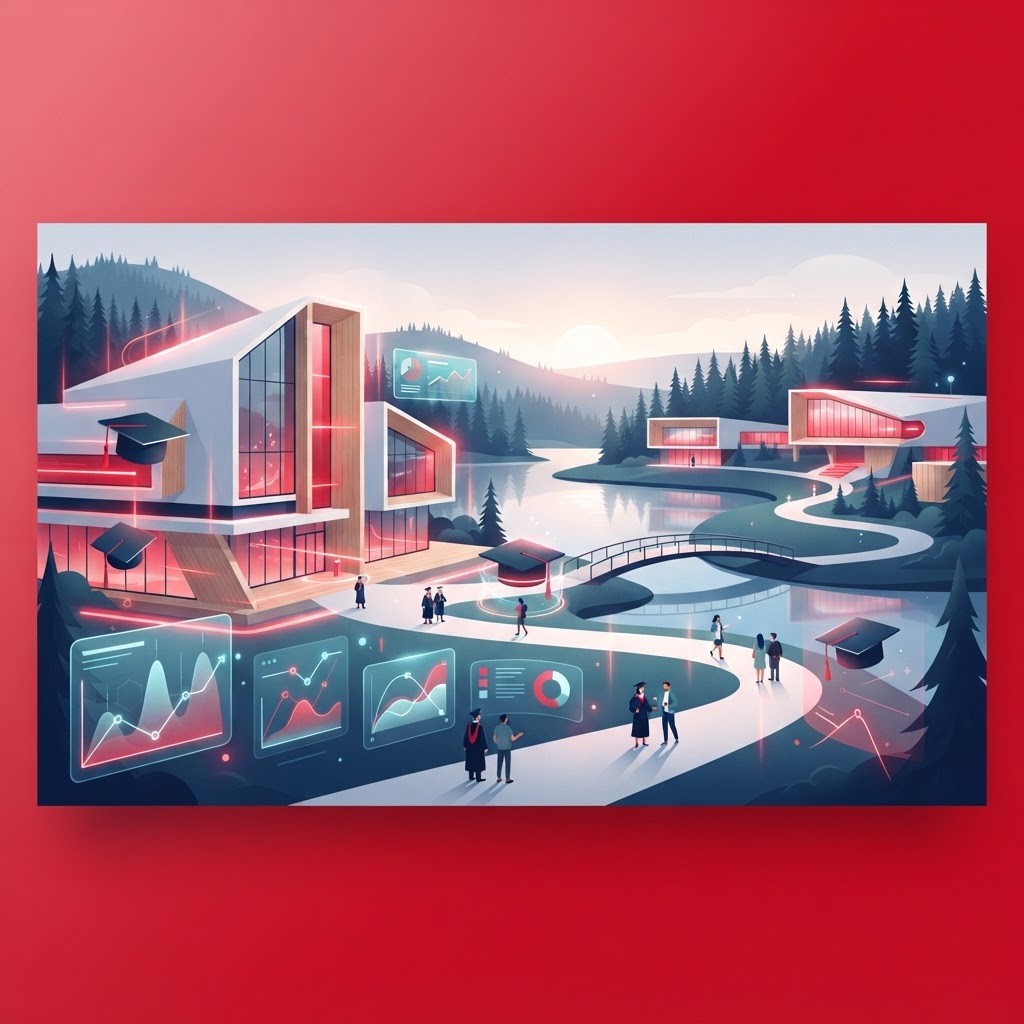
Why Finland Is a Global Benchmark for College Education
Finland has earned an international reputation for excellence in education, and its colleges sit at the heart of that success. Rooted in a philosophy that values equal access, practical skills, and lifelong learning, Finnish colleges prepare students for real careers while nurturing critical thinking. Tuition structures, strong public funding, and close ties to industry make these institutions attractive to both domestic and international learners. In a country where education is treated as a cornerstone of social wellbeing, colleges play a vital role in bridging academic knowledge with the demands of a modern economy.
What Sets Finnish Colleges Apart
Unlike traditional lecture-heavy systems, Finnish colleges emphasize applied learning, project work, and collaboration with employers. Universities of applied sciences, known locally as ammattikorkeakoulu, form the backbone of this model. They offer bachelor's and master's degrees designed around workplace competence, internships, and regional development. Small class sizes, highly qualified teaching staff, and a culture of trust between students and educators create an environment where independent learning thrives.
Ten Leading Colleges Worth Knowing
Metropolia University of Applied Sciences is one of the largest in the country, offering programs in technology, health, business, and culture with strong industry connections in the Helsinki region. Haaga-Helia University of Applied Sciences is widely respected for business, hospitality, and journalism, and maintains an entrepreneurial spirit that encourages students to launch their own ventures.
Laurea University of Applied Sciences stands out for its service innovation and nursing programs, using a learning-by-developing model that ties coursework directly to real projects. Tampere University of Applied Sciences combines engineering, media, and healthcare education with a vibrant campus culture in one of Finland's most dynamic cities.
JAMK University of Applied Sciences in Jyvaskyla is recognized for teacher training, logistics, and rehabilitation studies. Turku University of Applied Sciences serves the historic coastal region with strengths in engineering, arts, and life sciences. Oulu University of Applied Sciences supports the thriving northern technology sector, feeding talent into the region's growing ICT industry.
Seinajoki University of Applied Sciences is noted for agriculture, food technology, and business, reflecting the character of its region. Savonia University of Applied Sciences in Kuopio excels in health care and engineering, while Kajaani University of Applied Sciences has built a distinctive niche in gaming, sports, and tourism education.
Programs and Fields in High Demand
Across these colleges, certain fields consistently attract strong interest. Health care and nursing programs respond to the needs of an aging population, while information technology, cybersecurity, and software engineering align with Finland's status as a tech innovation hub. Business, international trade, and hospitality remain popular thanks to Finland's export-driven economy and growing tourism sector. Engineering disciplines, from mechanical to environmental, support the country's clean-energy ambitions and advanced manufacturing base.
The Student Experience
Finnish colleges prioritize student wellbeing alongside academic achievement. Campuses are equipped with modern facilities, digital learning tools, and accessible support services. English-taught degree programs have expanded significantly, opening doors for international students who wish to study in a safe, high-trust society. Student unions play an active role in campus life, offering affordable dining, housing assistance, and a strong sense of community. The Finnish emphasis on work-life balance extends to students, who are encouraged to pursue interests beyond the classroom.
Connections to Industry and Employment
One of the greatest strengths of Finnish colleges is their close partnership with employers. Mandatory internships, thesis projects tied to real companies, and joint research initiatives ensure graduates enter the workforce with practical experience. Regional development is a core mission, meaning colleges often collaborate with local businesses and municipalities to solve genuine challenges. This creates a virtuous cycle where students gain relevant skills and regional economies benefit from a steady supply of qualified professionals.
Trends Shaping the Future
Finnish colleges are embracing digital transformation, sustainability, and internationalization. Online and hybrid learning formats have become permanent features, giving students greater flexibility. Sustainability is woven into curricula across disciplines, reflecting national climate goals. Meanwhile, growing numbers of English-language programs and international partnerships position Finnish colleges as increasingly global institutions. Micro-credentials and continuous learning options also allow working professionals to upskill throughout their careers.
Choosing the Right College
Selecting the best college depends on individual goals, preferred field of study, and lifestyle. Prospective students should consider each institution's specializations, location, language of instruction, and links to industry. Visiting campuses, reviewing program content, and speaking with current students can provide valuable insight. Whether the aim is a career in technology, health care, business, or the creative industries, Finland's colleges offer a supportive, high-quality path toward professional success.
Conclusion
Finland's colleges exemplify the country's belief that quality education should be practical, inclusive, and future-focused. The ten institutions highlighted here demonstrate the breadth and depth of opportunity available, from bustling urban campuses to specialized regional centers. For anyone seeking an education that blends academic rigor with real-world relevance, Finnish colleges represent a compelling and rewarding choice.
