
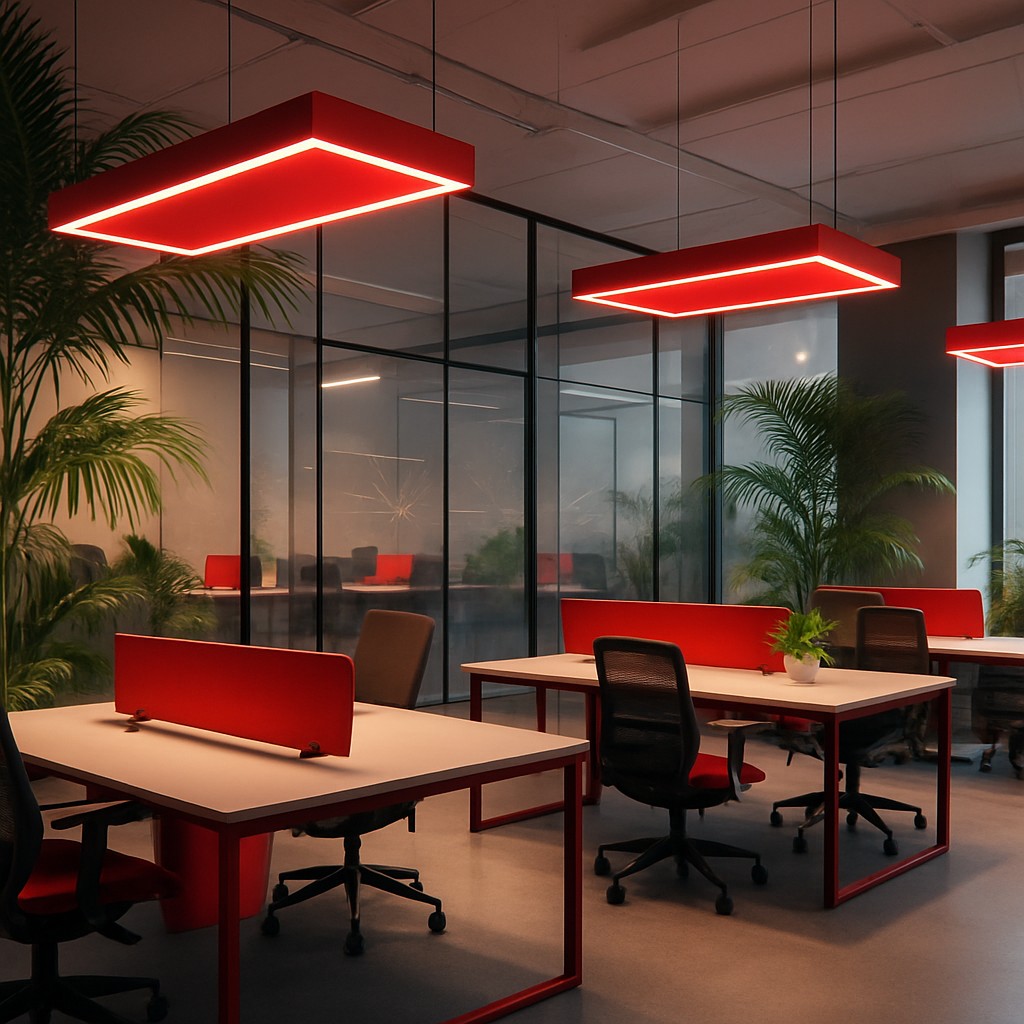
The Rise of Co-working Culture in Sri Lanka
Over the past decade, Sri Lanka has quietly transformed into one of South Asia's most dynamic hubs for flexible work. Driven by a growing community of freelancers, technology startups, and international remote workers drawn to the island's affordable cost of living, the demand for professional shared workspaces has surged. Colombo leads this movement, but cities like Kandy, Galle, and Negombo are steadily developing their own thriving co-working communities. These spaces offer far more than a desk and Wi-Fi; they provide structured environments where entrepreneurs can collaborate, network, and scale their ventures.
The appeal is clear. Rather than committing to expensive long-term office leases, businesses can access fully serviced workspaces on flexible monthly or even daily terms. This model has proven especially valuable for digital nomads and small teams who value agility, community, and access to high-speed connectivity in a country where reliable infrastructure can sometimes be a challenge.
What to Look for in a Quality Co-working Space
Choosing the right workspace involves balancing several factors. Reliable, high-speed internet with backup power is essential in Sri Lanka, where occasional power fluctuations occur. Beyond connectivity, the best spaces offer ergonomic furniture, private meeting rooms, soundproof phone booths, printing facilities, and quality coffee. Increasingly, members also prioritise community programming such as networking events, workshops, and mentorship opportunities that help businesses grow.
Leading Co-working Spaces Across the Island
Hatch stands out as one of Colombo's most influential workspaces, known for its strong entrepreneurial community, regular startup events, and accelerator programmes that connect founders with investors and mentors. Its energetic atmosphere has made it a magnet for the country's emerging tech talent.
Likuid Spaces has built a reputation for premium, design-forward environments that cater to both established companies and growing teams. With locations offering polished interiors and dependable infrastructure, it appeals to professionals seeking a refined setting.
Regus, part of a global network, brings international standards to Sri Lanka with serviced offices and co-working memberships in prime business districts. Its strength lies in consistency, professional support staff, and access to a worldwide network of locations.
WeWork-style boutique operator Colombo Co-op fosters a collaborative culture with hot desks and dedicated suites, while Crescat-based business centres serve corporate clients who need prestige addresses. Meanwhile, The Studio in Colombo blends creative aesthetics with practical amenities, attracting designers, writers, and media professionals.
Outside the capital, Verse Collective in the southern coastal belt has become a favourite among digital nomads, combining workspace with wellness offerings and a relaxed beachside lifestyle. KSpace and similar venues in Kandy cater to the hill country's growing professional base, while Galle-based spaces capitalise on the city's appeal to international remote workers seeking a scenic backdrop.
The Benefits Beyond the Desk
The true value of these workspaces lies in the communities they cultivate. Members frequently report that informal conversations over coffee lead to partnerships, client referrals, and collaborative projects. For solo entrepreneurs, the social structure combats isolation and provides accountability. For startups, proximity to peers and mentors accelerates learning and reduces costly mistakes.
Many spaces also host curated events ranging from investor pitch nights to skills workshops on digital marketing, finance, and product development. These programmes have become a cornerstone of Sri Lanka's startup ecosystem, helping nurture the next generation of homegrown businesses.
Pricing and Flexibility
Co-working in Sri Lanka remains remarkably affordable by global standards, which is part of its growing international appeal. Hot desks are typically available at accessible monthly rates, while dedicated desks and private offices command a premium reflecting the added privacy and security. Most operators offer tiered memberships, day passes, and meeting-room credits, allowing members to scale their commitment as their needs evolve.
Choosing the Right Fit
The ideal workspace depends on your priorities. Founders seeking funding and mentorship gravitate towards community-driven hubs, while corporate teams may prefer the professionalism of serviced business centres. Remote workers chasing lifestyle balance increasingly choose coastal and hill-country spaces that pair productivity with quality of life. Before committing, prospective members should tour several venues, test the internet reliability, and assess whether the community culture aligns with their goals.
The Future of Flexible Work in Sri Lanka
As global attitudes toward remote and hybrid work continue to evolve, Sri Lanka is well positioned to capture a larger share of the international remote workforce. With its affordability, natural beauty, and improving digital infrastructure, the island's co-working sector is set for sustained growth. The operators leading this charge are not merely renting desks; they are building the foundations of a more connected, entrepreneurial, and globally integrated economy.
