
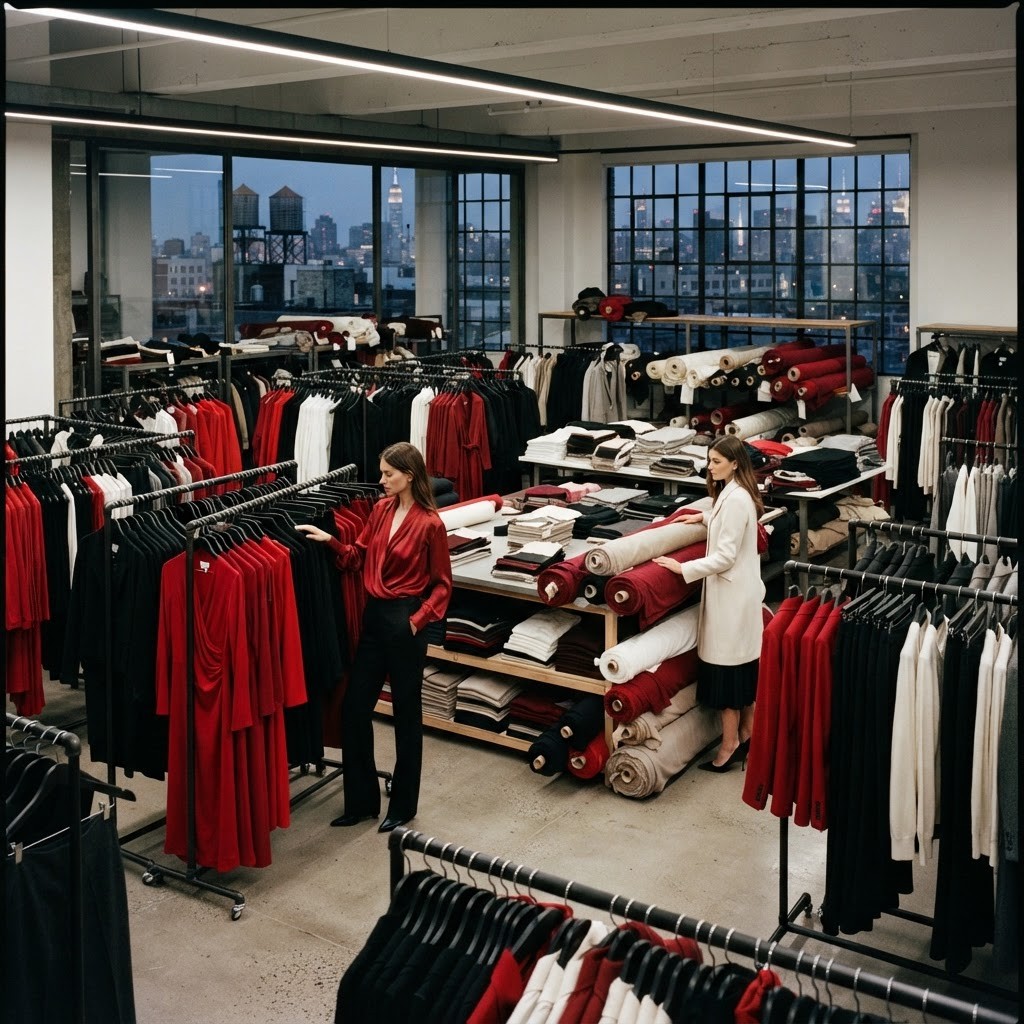
Why New York Remains an Apparel Wholesale Capital
New York's Garment District and surrounding wholesale network remain central to American fashion commerce. Buyers can compare fabrics, construction, fit, and color in person, discover emerging labels, and build assortments across price points within a compact area. The city's wholesalers serve independent boutiques, department stores, stylists, uniform programs, online shops, and international retailers.
The businesses below span traditional showrooms, established distributors, cash-and-carry suppliers, and digital wholesale platforms with a major New York presence. Availability and brand rosters change by season, so buyers should treat this list as a starting point for thoughtful sourcing.
1. Tasha Apparel
Tasha Apparel is a widely recognized wholesale source for trend-driven women's clothing, including dresses, tops, denim, outerwear, and accessories. It appeals to boutiques seeking accessible price points and frequent new arrivals. Low-barrier pack sizes can help smaller retailers test trends, although disciplined buyers should still assess fabric, sizing, and local market fit before purchasing depth.
2. Wholesale Fashion Square
Wholesale Fashion Square supplies women's apparel in categories ranging from casual basics to occasion looks and plus sizes. Its broad assortment supports retailers that prefer to source multiple departments together. Regular merchandise turnover is useful for social-commerce sellers and boutiques that depend on a steady stream of fresh product.
3. Royal Apparel
Royal Apparel is a New York-area manufacturer and wholesaler known for made-in-USA basics, blanks, organic fabrics, and private-label programs. T-shirts, fleece, tanks, and related knitwear serve decorators, lifestyle brands, events, and ethical-fashion retailers. Domestic production and lower-impact material options differentiate it from import-focused fashion wholesalers.
4. Apparel Candy
Apparel Candy offers wholesale women's fashion, including dresses, sets, tops, bottoms, outerwear, and accessories. The assortment is designed for boutique and online resale. Visual merchandising support and coordinated collections can help retailers create complete product stories rather than selecting disconnected pieces.
5. Kids Wholesale Clothing
New York's childrenswear district includes specialists supplying infant, toddler, and youth apparel to stores across the region. These wholesalers typically offer schoolwear, occasion clothing, seasonal sets, and everyday basics. Childrenswear buyers should prioritize clear size runs, safety compliance, washable construction, and predictable replenishment for core products.
6. Blankstyle
Blankstyle serves New York screen printers, embroiderers, promotional businesses, brands, and organizations with blank apparel from numerous manufacturers. Its categories include tees, sweatshirts, workwear, headwear, and performance garments. Access to multiple brands allows decorators to compare fabric weight, fit, color continuity, and print compatibility within one supply relationship.
7. SanMar
SanMar is a major wholesale supplier of imprintable clothing and accessories with strong service throughout the New York market. It carries well-known apparel labels alongside proprietary brands and supports corporate, team, school, hospitality, and event programs. Deep inventory and consistent core styles are essential for customers that need repeat orders to match earlier deliveries.
8. S&S Activewear
S&S Activewear distributes blank apparel, outerwear, uniforms, and accessories to decorators and resellers. A large catalog, broad warehouse network, and strong fashion-basic selection make it a key source for New York print shops and merchandise brands. Detailed product data and dependable fulfillment also support e-commerce integrations.
9. Faire
Faire is a digital wholesale marketplace with a substantial community of New York brands and retailers. It enables boutiques to discover independent apparel labels, review order terms, and manage purchasing across vendors. Digital marketplaces expand discovery, but buyers should still study delivery windows, exclusivity, margins, return terms, and each brand's channel strategy.
10. FashionGo
FashionGo connects retailers with a large network of apparel and accessory vendors and is frequently used by New York boutique buyers. Search and trend visibility make broad comparison efficient, while consolidated digital ordering reduces administrative work. The platform is particularly relevant to online sellers that need rapid product turnover and extensive imagery and item data.
Smart Buying Practices for Boutiques
Successful wholesale buying starts with a defined customer rather than a collection of appealing samples. Set target retail prices and initial markups, then account for freight, markdowns, returns, payment fees, and photography. Evaluate size distribution using actual sales history; equal quantities across every size often create avoidable leftovers.
When visiting a showroom, inspect seams, zippers, lining, fabric recovery, opacity, and consistency across units. Ask whether styles are open stock, prepack only, or available for reorder. Confirm shipment windows and cancellation rights, because late seasonal goods can lose much of their value. Retailers using branded photography should clarify image permissions.
New York Apparel Trends
Retailers are seeking versatile products that move between work, travel, and social settings. Small-batch private label, inclusive sizing, traceable materials, and domestically made basics continue to gain interest. Speed remains important, but constant novelty is giving way to tighter assortments with stronger storytelling and replenishable winners. New York offers exceptional sourcing variety; the best wholesaler is the one whose quality, cadence, and commercial terms align with a retailer's real customer, not simply the supplier with the largest catalog.
Before committing to a supplier, request current terms, representative samples, lead-time expectations, and references from comparable New York customers. A small trial order can reveal communication quality, packing standards, documentation accuracy, and delivery reliability before the relationship expands into a critical long-term purchasing program.
