
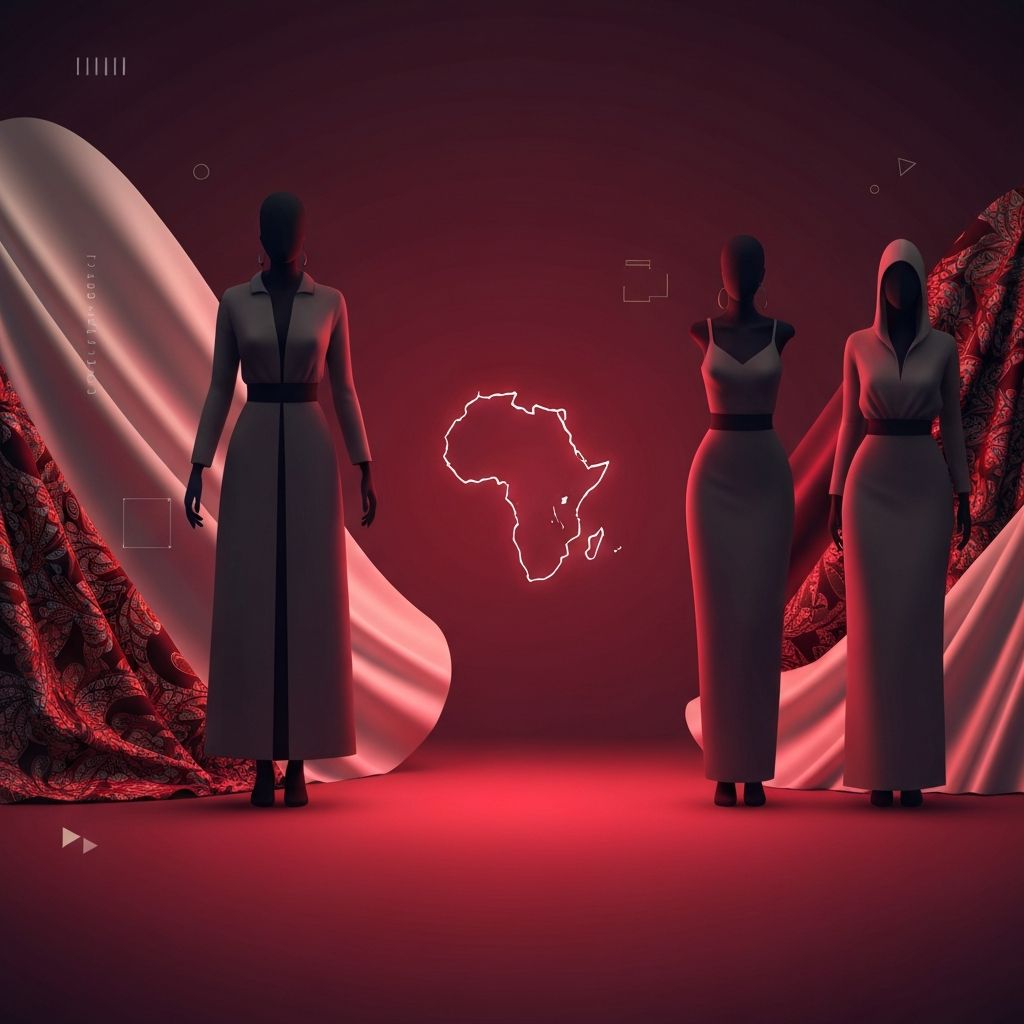
Introduction to Nigeria's Thriving Fashion Industry
Nigeria has firmly established itself as the fashion capital of West Africa, with a vibrant clothing industry that blends rich cultural heritage with contemporary global aesthetics. From the bustling markets of Lagos and Aba to high-end ateliers in Abuja and Port Harcourt, Nigerian designers continue to influence African and international runways. The country's clothing brands have become synonymous with craftsmanship, creativity, and cultural pride, attracting attention from style icons and celebrities worldwide.
1. Mai Atafo
Mai Atafo is widely regarded as one of Nigeria's most respected menswear and bridal brands. Known for impeccable bespoke tailoring, the brand has dressed presidents, business leaders, and celebrities. Mai Atafo combines classic elegance with modern silhouettes, making it a go-to label for grooms, executives, and red-carpet appearances.
2. Deola Sagoe
Deola Sagoe represents the pinnacle of African haute couture. The brand is celebrated for its luxurious use of indigenous fabrics such as aso-oke, akwete, and adire, reimagined through avant-garde silhouettes. Its commitment to preserving Nigerian heritage while pushing creative boundaries has earned it international acclaim.
3. Lisa Folawiyo
Lisa Folawiyo revolutionised the use of Ankara fabric by embellishing it with sequins, beads, and intricate handwork. Her label has been featured in international publications and retail stores, and remains a favourite among fashion-forward Nigerians who appreciate African prints reimagined for the global stage.
4. Orange Culture
Founded by Adebayo Oke-Lawal, Orange Culture is a gender-fluid fashion brand that challenges traditional African masculinity. The brand has been showcased at international fashion weeks and remains popular among young, expressive Nigerians seeking artistic, story-driven clothing.
5. Tiffany Amber
Tiffany Amber, founded by Folake Folarin-Coker, was the first African brand to show at New York Fashion Week. The label is known for flowing resort-style dresses, kaftans, and evening wear that capture the elegance and confidence of the modern African woman.
6. Lanre Da Silva Ajayi
Lanre Da Silva Ajayi specialises in vintage-inspired couture with a romantic, feminine touch. The brand uses lace, ankara, and embellished fabrics to create show-stopping pieces for weddings, gala events, and high-society gatherings across Nigeria.
7. Maki Oh
Maki Oh, founded by Amaka Osakwe, has gained international recognition for its conceptual storytelling and use of traditional adire dyeing techniques. The brand has dressed global figures including former U.S. First Lady Michelle Obama, cementing its place as a culturally significant Nigerian label.
8. Ituen Basi
Ituen Basi is best known for transforming Ankara into structured, contemporary fashion pieces. With a strong following among professional women, the brand offers tailored dresses, separates, and accessories that reflect African pride with global polish.
9. Ejiro Amos Tafiri
Ejiro Amos Tafiri creates ready-to-wear collections that combine modern minimalism with African flair. The brand is admired for its refined cuts, clean palettes, and accessible pricing, making it a favourite among Nigeria's growing class of young professionals.
10. Kiki Kamanu
Kiki Kamanu is celebrated for vibrant, print-driven womenswear that blends African textiles with contemporary silhouettes. The brand has built a loyal customer base by delivering bold, confident pieces suitable for occasions ranging from cocktail parties to traditional weddings.
Trends Shaping Nigerian Fashion
Sustainability, locally sourced fabrics, and digital retail are transforming the Nigerian clothing industry. Many brands are increasingly turning to e-commerce platforms, social media marketing, and pop-up retail experiences to engage younger audiences. Collaborations with international stylists and the rise of Lagos Fashion Week have further pushed Nigerian designers onto the global stage.
Choosing the Right Brand
When selecting a Nigerian clothing brand, consider factors such as occasion, fabric quality, cultural relevance, and craftsmanship. Whether you are looking for bridal couture, corporate menswear, or everyday ready-to-wear, the diversity of Nigerian fashion ensures there is a brand for every style and budget. Supporting these labels also contributes to the growth of local manufacturing, employment, and creative industries across the country.
Conclusion
Nigeria's clothing industry continues to evolve with creativity, resilience, and cultural authenticity. The brands featured above represent the very best the country has to offer, each contributing uniquely to a fashion ecosystem that proudly stands among the most dynamic in the world. As Nigerian designers continue to gain global recognition, the future of African fashion has never looked brighter.
