
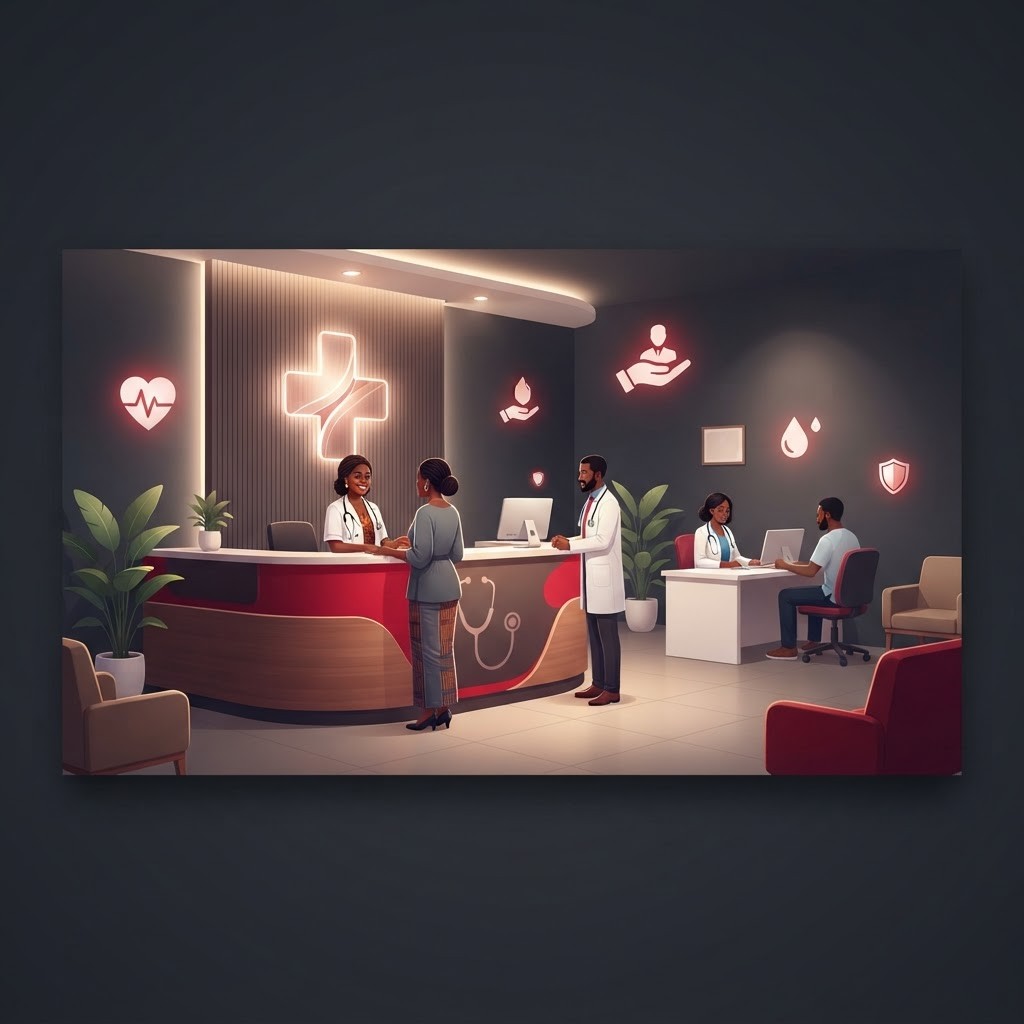
The Role of Clinics in Togo's Healthcare System
Clinics occupy a unique and essential space within Togo's healthcare landscape. While hospitals handle complex cases and emergencies, clinics provide accessible, day-to-day medical care that keeps communities healthy. They serve as the first point of contact for many patients, offering consultations, preventive services, minor procedures, and ongoing management of chronic conditions. Their smaller scale often translates into shorter wait times, more personalized attention, and a welcoming environment.
In both urban and semi-urban areas, clinics fill critical gaps by delivering convenient care close to where people live and work. They reduce the strain on larger hospitals, allowing those institutions to focus on specialized treatments. For many Togolese families, clinics represent a trusted and familiar source of medical support.
Qualities of an Outstanding Clinic
The best clinics combine clinical competence with genuine care for their patients. Well-trained medical staff, clean and organized facilities, and reliable diagnostic services form the foundation of quality. Equally important is a patient-centered approach that prioritizes clear communication, respect, and empathy.
Efficiency and affordability also define leading clinics. Patients value institutions that offer prompt service, transparent pricing, and flexible payment options. A strong reputation, built on consistent results and positive experiences, further distinguishes top clinics from the rest.
Leading Clinics in Lomé
Clinique Biasa is widely regarded as one of the premier clinics in the capital. Known for its modern facilities and multidisciplinary team, it offers a broad range of services including general medicine, surgery, and specialized consultations. Its commitment to quality and patient comfort has earned it a strong reputation.
Clinique La Providence stands out for its attentive, personalized care. With a focus on creating a comfortable and reassuring atmosphere, it appeals to patients who appreciate a more individualized approach to their health.
Polyclinique Internationale Saint Joseph combines general and specialized care in a well-equipped setting. Its comprehensive service offering and professional staff make it a popular choice for families seeking dependable medical support.
Clinique Autel d'Elie has developed a loyal following thanks to its balanced combination of affordability and quality. It provides essential services to a wide range of patients, emphasizing accessibility without compromising standards.
Specialized and Community Clinics
Clinique Deo Gratias is recognized for its dedication to maternal and child health, offering prenatal care, safe deliveries, and pediatric services. Its focus on family wellness has made it a trusted institution for expectant mothers and young families.
Clinique Saint Jean emphasizes preventive care and health education, helping patients manage risk factors and maintain long-term wellbeing. Its proactive approach reflects a growing emphasis on preventive medicine.
Clinique du Golfe serves its community with a range of general and specialized services, earning praise for its efficient operations and courteous staff. Its reputation for reliability makes it a go-to option for routine care.
Clinique Médicale Populaire focuses on affordability, ensuring that essential healthcare remains within reach for lower-income households. Its community-oriented mission underscores the importance of accessible care.
Regional Clinics Expanding Access
Clinique de Kara extends quality care to the northern region, providing residents with convenient access to consultations, diagnostics, and treatment. Its presence helps reduce the need for long journeys to larger cities.
Clinique de Sokodé serves the central region, offering a valuable healthcare resource for surrounding communities. By delivering reliable services locally, it strengthens the broader healthcare network and improves outcomes for regional populations.
Trends Transforming Clinical Care
Clinics in Togo are embracing modernization to better serve their patients. Many are adopting digital appointment systems, electronic records, and improved diagnostic tools to enhance efficiency and accuracy. These technological upgrades streamline operations and improve the overall patient experience.
There is also a growing emphasis on preventive care and health education. Clinics increasingly encourage regular checkups, vaccinations, and lifestyle counseling to help patients avoid illness before it develops. This shift toward prevention reflects broader global trends in healthcare and holds great promise for improving population health.
Collaboration between clinics and larger hospitals is strengthening referral pathways, ensuring that patients with complex needs receive appropriate specialized care. This integrated approach enhances continuity of care and improves outcomes across the system.
Choosing the Right Clinic
When selecting a clinic, patients should consider factors such as location, range of services, staff expertise, and reputation. For families, clinics with strong maternal and pediatric services may be particularly valuable. Those managing chronic conditions may prioritize clinics with experienced specialists and reliable follow-up care.
Building a relationship with a trusted clinic offers numerous benefits, including personalized care, continuity, and peace of mind. Regular visits enable early detection of health issues and support long-term wellbeing.
Conclusion
Clinics play an indispensable role in Togo's healthcare system, providing accessible, personalized, and reliable care to communities across the country. From well-established institutions in Lomé to regional centers serving distant populations, these clinics contribute significantly to public health. As they continue to modernize and expand their services, clinics will remain a vital resource, helping the people of Togo lead healthier lives.
