
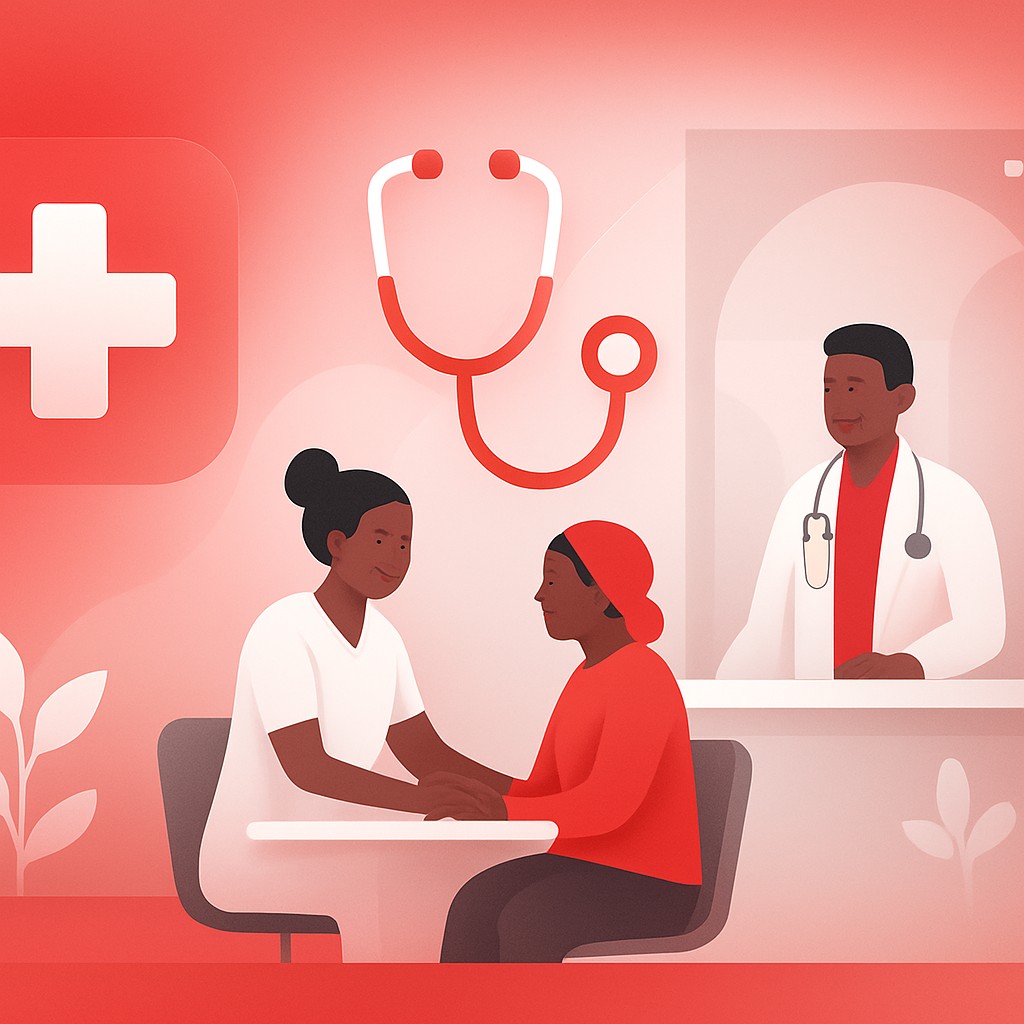
The Importance of Clinics in South Sudan
Clinics are often the first point of contact between citizens and the health system, making them indispensable in South Sudan. While hospitals handle severe and complex cases, clinics deliver primary care, preventive services, vaccinations, maternal support, and treatment for common illnesses close to where people live. Their accessibility and community focus make them essential for everyday health, particularly in a country where travel to larger facilities can be difficult.
This guide highlights prominent clinics and primary health centers and examines the standards that define dependable, high-quality community care.
What Sets a Great Clinic Apart
Excellent clinics combine convenience, affordability, and competent care. The best are staffed by qualified clinical officers, nurses, and visiting physicians, and they maintain reliable stocks of essential medicines. Clean facilities, organized patient records, clear communication, and strong referral links to hospitals are also hallmarks of quality. In South Sudan, clinics that engage their communities, offer maternal and child health services, and remain open and consistent earn the deepest trust.
Leading Clinics and Primary Health Centers
Juba Specialized Clinic is known in the capital for offering a range of outpatient services with experienced staff and modern consultation facilities. Such clinics fill an important niche for patients seeking timely care without the wait times of large hospitals.
Nile Medical Clinic provides general consultation, laboratory testing, and pharmacy services under one roof, reflecting the growing trend of integrated outpatient centers in urban South Sudan.
Konyokonyo Health Center serves one of Juba's busy neighborhoods, delivering primary care, maternal services, and immunizations to a large local population.
Munuki Primary Health Care Center is a key community facility offering accessible preventive and curative services, including antenatal care and childhood vaccinations.
Gudele Health Center supports another densely populated area of the capital, focusing on family health, basic emergency care, and health education.
St. Therese Clinic, part of the faith-based health network, is respected for consistent service and compassionate care, exemplifying the strong role of mission-run facilities in community health.
Wau Community Clinic extends accessible outpatient and maternal services to residents of the northwest, functioning as a dependable first stop for everyday medical needs.
Malakal Health Center provides essential primary care to communities in the Upper Nile region, supporting both routine treatment and preventive programs.
Yei Family Clinic delivers general practice services, maternal care, and minor procedures, serving as a trusted neighborhood resource.
Torit Primary Health Care Center rounds out the list, offering community-based services in the Eastern Equatoria region with an emphasis on preventive and maternal health.
The Role of Primary Health Care
Primary health care centers are central to South Sudan's strategy for improving population health. By treating common conditions early, promoting vaccination, and supporting safe pregnancies and deliveries, clinics reduce the burden on hospitals and prevent illnesses from becoming severe. They also serve as platforms for health education on nutrition, hygiene, and disease prevention.
Trends and Improvements
Several positive trends are shaping the clinic sector. Integrated clinics that combine consultation, laboratory, and pharmacy services are becoming more common, improving convenience for patients. Partnerships with humanitarian and development organizations have strengthened supply chains and staff training. There is also growing attention to maternal and child health, mental wellbeing, and the management of chronic conditions like hypertension and diabetes.
Maternal, Child, and Preventive Services
Among the most valuable services clinics provide are those centered on mothers, children, and prevention. Antenatal visits help ensure healthy pregnancies and identify risks early, while skilled support around childbirth and postnatal checkups protects both mother and baby. Childhood immunization programs delivered through clinics shield communities from preventable diseases and are among the most cost-effective health interventions available. Beyond these, clinics offer health education on hygiene, nutrition, malaria prevention, and safe water practices that help families avoid illness in the first place. By focusing on prevention and early intervention, clinics reduce the frequency of severe illness and ease pressure on hospitals. This preventive emphasis is especially important in South Sudan, where reaching distant facilities can be difficult and timely local care can make a decisive difference in health outcomes.
How to Choose a Clinic
When selecting a clinic, consider its proximity, the qualifications of its staff, the availability of medicines and laboratory services, and its reputation within the community. For ongoing care, choosing a clinic that keeps proper records and maintains referral links to hospitals ensures continuity and safety. Cleanliness, professionalism, and clear communication are reliable indicators of quality. It is also worth considering the clinic's operating hours, the affordability of its services, and whether it offers the specific care your family needs most, such as antenatal support or childhood vaccinations. Visiting in person and asking neighbors about their experiences can provide valuable insight before you commit to a regular provider.
Conclusion
Clinics are the everyday heroes of South Sudan's health system, bringing essential care directly to communities. From busy urban health centers to trusted faith-based facilities, these institutions provide preventive and curative services that keep families healthy and resilient. As investment in primary health care grows, clinics will remain a vital foundation for the wellbeing of communities across the nation.
