
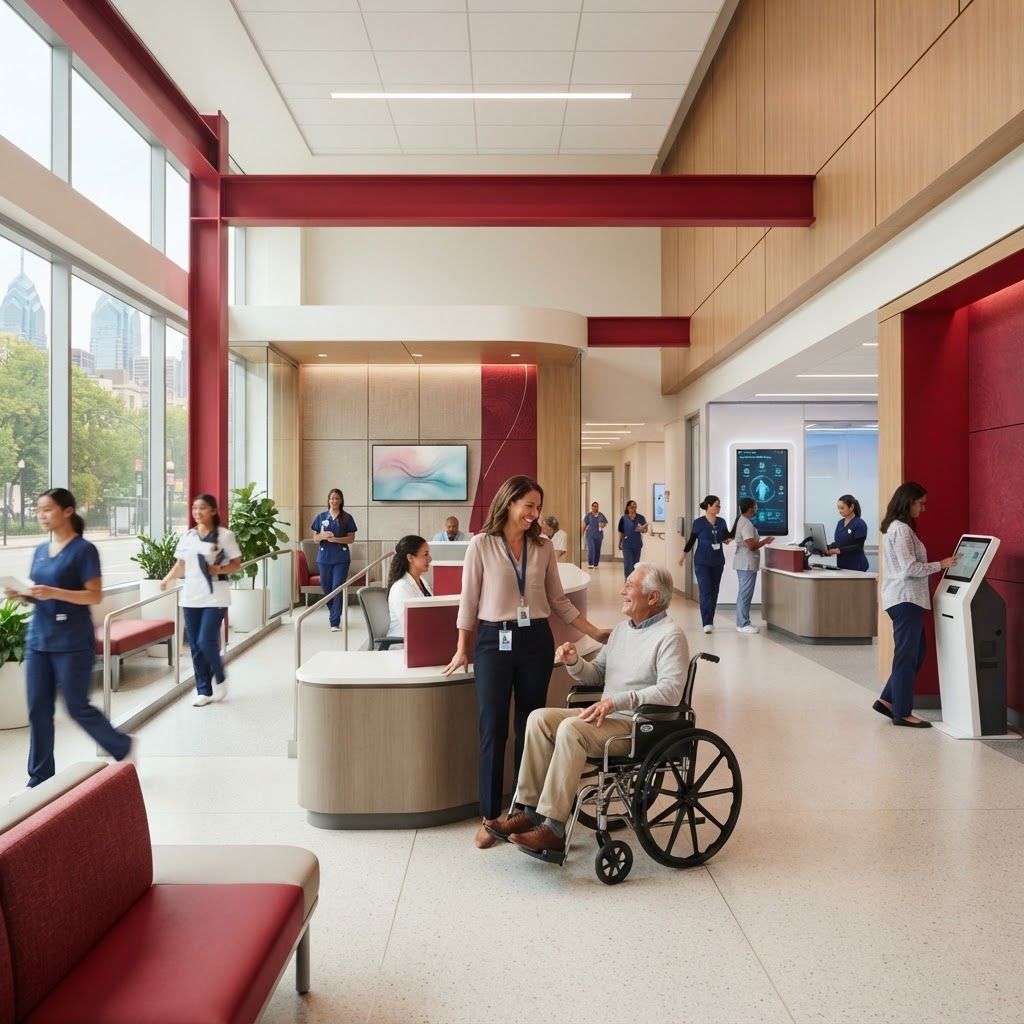
Understanding Philadelphia’s Clinic Network
Clinics are often the most practical entry point to healthcare. They provide preventive visits, management of chronic conditions, vaccines, behavioral health support, testing, reproductive care, and treatment for minor illnesses. Philadelphia has academic outpatient centers, federally qualified health centers, urgent-care operators, and mission-driven community clinics. The best choice depends on whether a patient needs an ongoing primary-care relationship, same-day help, or a specific specialty. Service availability changes, so patients should verify current hours and eligibility before visiting.
1. Philadelphia FIGHT Community Health Centers
Philadelphia FIGHT provides primary care and supportive services with a longstanding commitment to people affected by HIV and communities that have experienced barriers to healthcare. Its programs emphasize respectful, inclusive care and may integrate medical, behavioral, educational, and social support. This whole-person model is valuable because health outcomes are affected by housing, food access, stigma, and other daily realities. FIGHT is an important option for patients seeking affirming care and experience with complex needs.
2. Mazzoni Center
Mazzoni Center is widely recognized for LGBTQ-focused health and wellness services. Offerings include primary care, behavioral health, testing, prevention, and gender-affirming services. Cultural competence is a major differentiator: patients are more likely to communicate openly when they expect their identity and concerns to be understood. Mazzoni’s community mission and specialized experience make it an important Philadelphia resource. Prospective patients should confirm appointment availability, insurance participation, and which services have distinct intake processes.
3. Congreso Health Center
Congreso Health Center serves North Philadelphia with culturally responsive care connected to broader family and social services. Its approach is particularly relevant for Latino communities and patients who benefit from bilingual support. Combining healthcare with an understanding of community context can improve trust, follow-through, and coordination. Clinics such as Congreso help address disparities by meeting patients where they are, both linguistically and practically. Available services and enrollment procedures should be confirmed directly when planning care.
4. Sayre Health Center
Sayre Health Center is a community health provider in West Philadelphia offering primary and preventive services. It has a strong educational and neighborhood-oriented mission, helping connect residents with accessible care. Community clinics are especially useful for routine monitoring of blood pressure, diabetes, asthma, and other conditions that become more difficult and expensive when left untreated. Sayre’s local presence can reduce transportation barriers and support continuity for patients who need regular follow-up.
5. Spectrum Health Services
Spectrum Health Services operates community health locations offering primary care and related services. As a federally qualified health center organization, it plays an important role in serving patients regardless of financial circumstances, subject to applicable policies. Integrated services may help patients coordinate medical, dental, behavioral, or pharmacy needs. The value of a community health center is not only affordability; it is the possibility of building an ongoing relationship with a team that understands the patient’s history and environment.
6. Delaware Valley Community Health
Delaware Valley Community Health provides care through multiple centers in Philadelphia and the surrounding area. Its services commonly include family medicine, pediatrics, women’s health, dental care, and behavioral health. Multiple locations can make it easier for families to receive different types of care within one organization. Patients managing several conditions should ask how referrals, test results, and medication lists are shared across departments. Strong coordination reduces duplicate work and helps clinicians see the complete picture.
7. Esperanza Health Center
Esperanza Health Center serves North Philadelphia with a faith-informed community health mission and bilingual care. It provides primary and preventive services while addressing the social factors that influence wellness. The center’s neighborhood roots and relationship-based model may be particularly helpful for families seeking continuity. Preventive care, including screenings and immunizations, is one of the most valuable functions of clinics like Esperanza because it identifies risks before they become emergencies.
8. Puentes de Salud
Puentes de Salud serves Philadelphia’s Latino immigrant community through healthcare and related educational or wellness programs. Its culturally and linguistically responsive approach helps patients navigate a system that can otherwise feel inaccessible. Community-based organizations may also understand work patterns, transportation challenges, and documentation concerns that influence whether someone seeks care. Puentes represents the value of combining clinical service with trust-building and practical advocacy. Patients should check current scheduling and program criteria.
9. Penn Medicine OnDemand
Penn Medicine provides same-day and virtual options for appropriate non-emergency concerns through its outpatient network. Connection to a large academic system can be useful when a patient already receives Penn care because records and follow-up recommendations may be easier to coordinate. Virtual visits can help with selected minor illnesses, medication questions, or initial evaluation, but they cannot replace a physical examination when one is needed. Patients should use emergency services for severe symptoms rather than relying on an online appointment.
10. Jefferson Urgent Care
Jefferson’s urgent-care services offer evaluation for illnesses and injuries that require prompt attention but are not life-threatening. Common reasons include minor sprains, respiratory symptoms, rashes, and simple infections. Affiliation with Jefferson Health can support referrals when additional testing or specialist care is needed. Urgent care is convenient, but it should complement rather than replace primary care. Patients benefit from sharing the visit summary with their regular clinician and confirming how test results will be communicated.
Choosing the Right Type of Clinic
Use primary care for prevention, chronic-condition management, and ongoing health decisions. Choose urgent care for a time-sensitive but non-emergency issue when primary care is unavailable. Specialty clinics are appropriate when a diagnosis requires focused expertise. Before visiting, ask about appointments, walk-in policies, identification requirements, language services, sliding-fee programs, insurance, and accessible transportation. Bring a medication list, allergies, relevant records, and clear questions. Philadelphia’s clinic network is broad, and establishing continuity with a trusted team can make care safer and more effective over time.
