
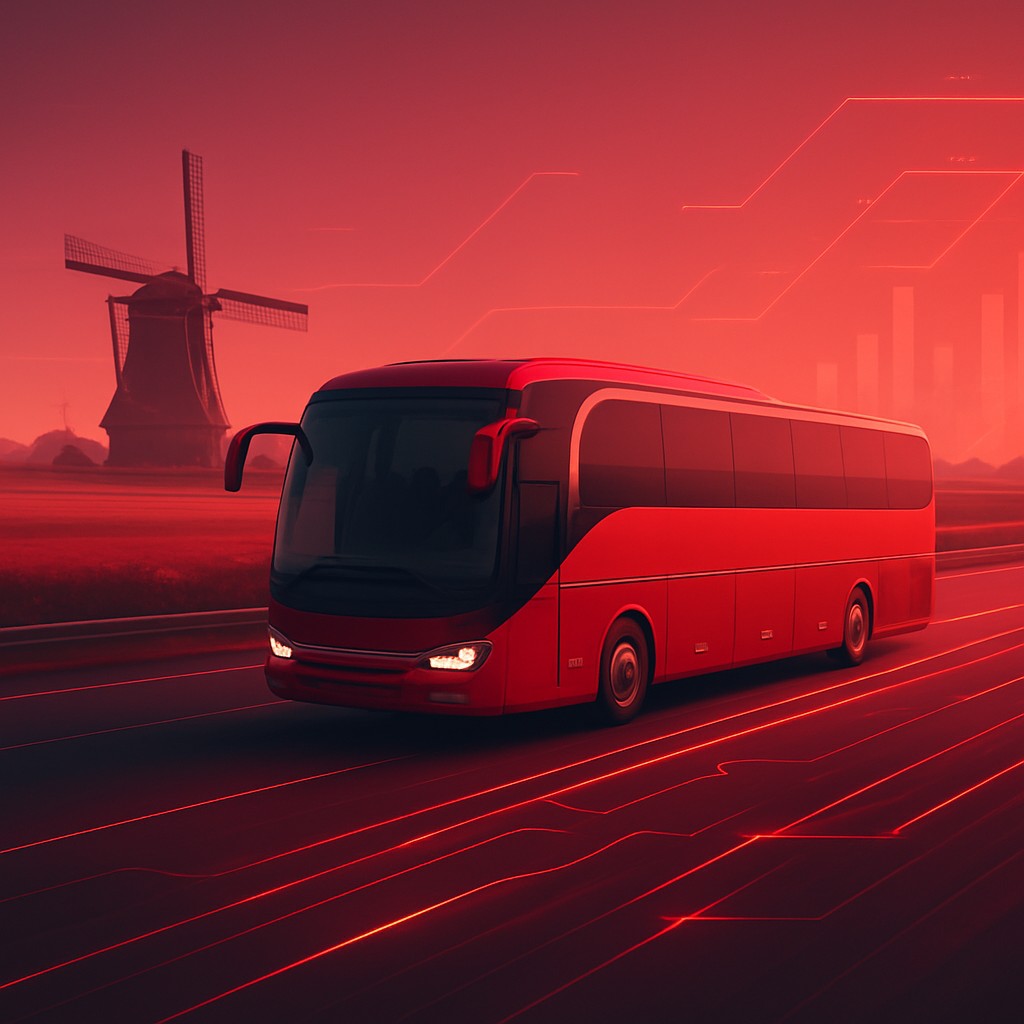
The Backbone of Regional Connectivity
Buses play an indispensable role in the Netherlands' acclaimed public transport network, complementing the extensive rail system by reaching towns, villages, and neighborhoods that trains do not serve. Whether for daily commuting, intercity travel, or international journeys, Dutch bus services are valued for their punctuality, comfort, and integration with other modes of transport. The widespread use of the OV-chipkaart and modern contactless payment systems makes traveling by bus remarkably convenient.
The Dutch bus industry operates through a system of regional concessions, in which transport authorities award contracts to operators for specific areas. This competitive model has driven improvements in service quality, vehicle standards, and sustainability, resulting in one of Europe's most reliable and forward-looking bus networks.
Leading Bus Operators
Among the largest and most prominent operators is Connexxion, part of the Transdev group, which runs extensive regional services across multiple provinces and operates dedicated airport connections. Known for its broad coverage and modern fleet, Connexxion is a cornerstone of Dutch regional mobility.
Arriva is another major player, providing bus and regional transport services across large parts of the country, including the north and east. The company is recognized for its reliability and its investment in cleaner, more efficient vehicles. Qbuzz operates significant concessions in regions such as Groningen, Drenthe, and parts of the south, earning praise for service quality and innovation.
In the major urban centers, municipal operators deliver dense city networks. GVB manages buses, trams, and metro services in Amsterdam, while RET serves the Rotterdam region and HTM covers The Hague with integrated bus and tram services. These operators are central to daily life in the country's largest cities, moving millions of passengers efficiently.
For long-distance and international travel, FlixBus dominates the budget intercity coach market, connecting Dutch cities with destinations across Europe at affordable prices. EBS operates regional concessions in areas including the Zaanstreek and Waterland regions, and Keolis runs services in the eastern Netherlands, rounding out a diverse and competitive landscape of operators.
What Makes Dutch Bus Services Stand Out
Several features distinguish the country's leading bus companies. Punctuality and frequency are consistently high, supported by real-time passenger information available through apps and digital displays at stops. Integration with trains, trams, and metros allows seamless transfers using a single payment method, making multimodal journeys straightforward.
Comfort and accessibility are also priorities. Modern buses feature low floors for easy boarding, spaces for wheelchairs and prams, and increasingly offer amenities such as free wireless internet and charging points. This focus on passenger experience reflects the high expectations of Dutch travelers and the competitive nature of the concession system.
Sustainability and Innovation
The Netherlands is at the forefront of sustainable public transport, and bus operators are leading the transition to zero-emission travel. Many companies have introduced large fleets of electric buses, and some regions operate among the largest electric bus fleets in Europe. Hydrogen-powered buses are also being trialed and deployed, reflecting a strong commitment to reducing emissions and improving air quality.
Innovation extends to service design as well. Demand-responsive transport, where smaller vehicles operate flexible routes based on passenger requests, helps serve rural areas efficiently. Digital ticketing, journey planning apps, and contactless bank card payments continue to enhance convenience and accessibility for all passengers.
Connecting Cities and Countryside
One of the greatest strengths of the Dutch bus network is its ability to weave together urban centers and rural communities into a single, cohesive transport fabric. While trains efficiently link the major cities, buses extend that reach into the countryside, coastal towns, and residential neighborhoods that fall outside the rail network. This connectivity is vital for residents of smaller communities, students traveling to schools and universities, and tourists wishing to explore charming villages and natural attractions off the beaten path. Express and rapid bus services along key corridors further speed up longer journeys, while frequent local routes ensure that even short trips within towns remain convenient. This thoughtful balance between regional reach and urban density underpins the everyday mobility of millions of people across the Netherlands.
Tips for Traveling by Bus
Travelers can make the most of Dutch bus services by using the OV-chipkaart or contactless payment to check in and out, ensuring correct fares. Journey planning apps provide real-time schedules, route options, and disruption alerts, helping passengers navigate the network with ease. For intercity coach travel, booking in advance often secures the lowest fares.
During peak commuting hours, services can be busy, so allowing extra time is wise. In rural areas, checking timetables carefully is important, as frequencies may be lower than in cities. Familiarity with the relevant regional operator helps travelers anticipate service patterns and available connections.
Final Thoughts
The bus companies highlighted here form the backbone of regional and urban mobility in the Netherlands, delivering reliable, comfortable, and increasingly sustainable travel. From dense city networks to far-reaching regional routes and affordable international coaches, these operators ensure that the entire country remains accessible. By embracing innovation and environmental responsibility, the Dutch bus industry continues to set a benchmark for public transport excellence in Europe.
