
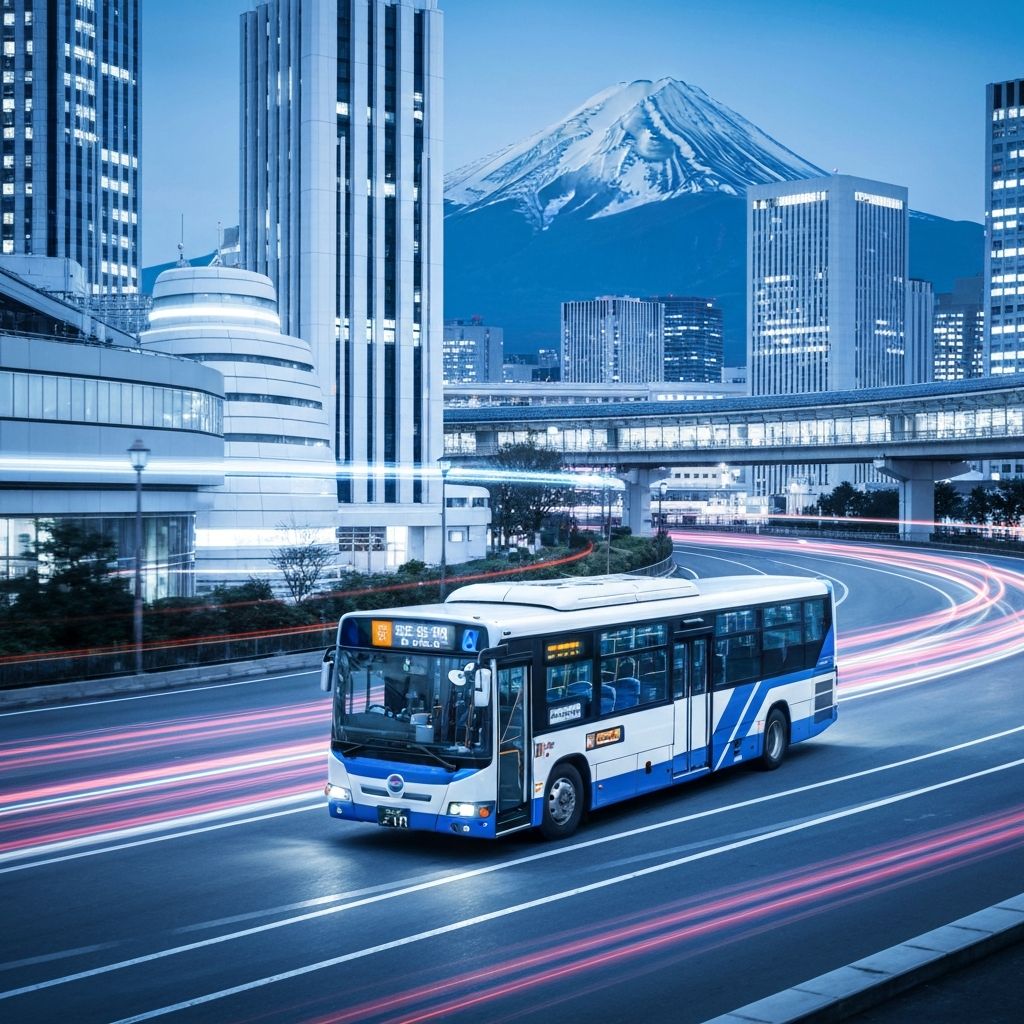
Introduction to Japan's Bus Industry
Japan's bus industry plays a vital role in the country's highly developed transport ecosystem. While the Shinkansen and metropolitan railways often steal the spotlight, buses remain indispensable for reaching towns, mountainous regions, and tourist destinations not served by rail. From overnight highway buses linking Tokyo and Osaka to local community buses in rural Hokkaido, the sector is defined by punctuality, cleanliness, and a deep commitment to passenger safety.
Operators in Japan compete on comfort, reliability, and customer experience. Many companies have invested heavily in modern fleets equipped with reclining seats, individual reading lights, USB charging ports, free Wi-Fi, and onboard restrooms. Reservation systems are seamlessly integrated with digital platforms, allowing travelers to book seats and view schedules with ease.
JR Bus Group
The JR Bus Group, consisting of regional companies such as JR Bus Kanto, JR Bus Tohoku, and West JR Bus, is the bus arm of the Japan Railways network. Known for its expansive intercity highway routes, JR Bus offers convenient overnight services and seasonal regional connections. Its strong integration with JR rail services makes it a preferred choice for combined travel itineraries.
Willer Express
Willer Express has revolutionized intercity bus travel in Japan with its colorful branding and design-forward fleet. Offering everything from budget seats to premium reclining cocoons, Willer caters to a wide audience including foreign tourists. Its bilingual booking platform and Japan Bus Pass have made it a favorite among international travelers.
Keio Dentetsu Bus
Operating primarily in the western Tokyo region, Keio Dentetsu Bus is part of the Keio Group. It is widely respected for its dependable urban routes, smart commuter passes, and connections to popular destinations such as Mount Takao. Its environmentally friendly fleet upgrades highlight its commitment to sustainable transport.
Hankyu Bus
Hankyu Bus, part of the Hankyu Hanshin Holdings, serves the Kansai region with extensive local and highway operations. Travelers heading to Osaka, Kyoto, or Kobe benefit from its punctual schedules and clean, modern coaches. The company is also known for tourism-oriented routes serving Universal Studios Japan and Itami Airport.
Meitetsu Bus
Meitetsu Bus operates in the Chubu region, with Nagoya at its core. It manages city routes, suburban networks, and highway buses connecting to Tokyo, Kyoto, and other major hubs. Its integration with the broader Meitetsu Group of railways and department stores makes commuting and travel particularly convenient.
Nishitetsu Bus
Nishitetsu Bus, headquartered in Fukuoka, is considered one of the largest bus operators in Asia by fleet size. Covering the entire Kyushu region, it provides essential city services, regional routes, and international-flavored highway buses. Its long-distance services include luxurious overnight options between Fukuoka and Tokyo.
Tokyu Bus
Tokyu Bus runs an efficient network in southwestern Tokyo and Yokohama. Backed by the Tokyu Group, the operator emphasizes accessibility, with low-floor buses and barrier-free routes. Commuters appreciate its frequent schedules and connections to Tokyu railway lines, while families value its reliable kindergarten and shopping district services.
Hokkaido Chuo Bus
Serving Japan's northernmost main island, Hokkaido Chuo Bus is renowned for its scenic rural routes and snow-resilient operations. It connects Sapporo with ski resorts, hot spring towns, and lavender fields, making it a vital partner for both residents and tourists exploring Hokkaido's natural beauty.
Ryobi Bus
Ryobi Bus is the Chugoku region's leading operator, headquartered in Okayama. It manages local routes, highway services, and airport buses, often integrated with Ryobi Group's hotels and travel agencies. Tourists appreciate its smooth connections to destinations such as Kurashiki and the Setouchi Triennale art islands.
Kanto Bus
Kanto Bus operates throughout the northern and western parts of Tokyo, including Nakano, Suginami, and Mitaka. Its dependable city routes serve students, residents, and visitors heading to attractions like the Ghibli Museum. The company is known for friendly drivers and consistently punctual service.
Choosing the Right Bus Company
Travelers in Japan benefit from a remarkable diversity of bus operators, each tailored to specific regions and traveler needs. Whether you prioritize luxury overnight travel, affordable intercity hops, or efficient daily commuting, Japan's bus industry consistently delivers a high standard of service. With ongoing investments in eco-friendly fleets, digital booking platforms, and tourism-focused experiences, the country's leading bus companies are shaping the future of road transport in Asia.
