
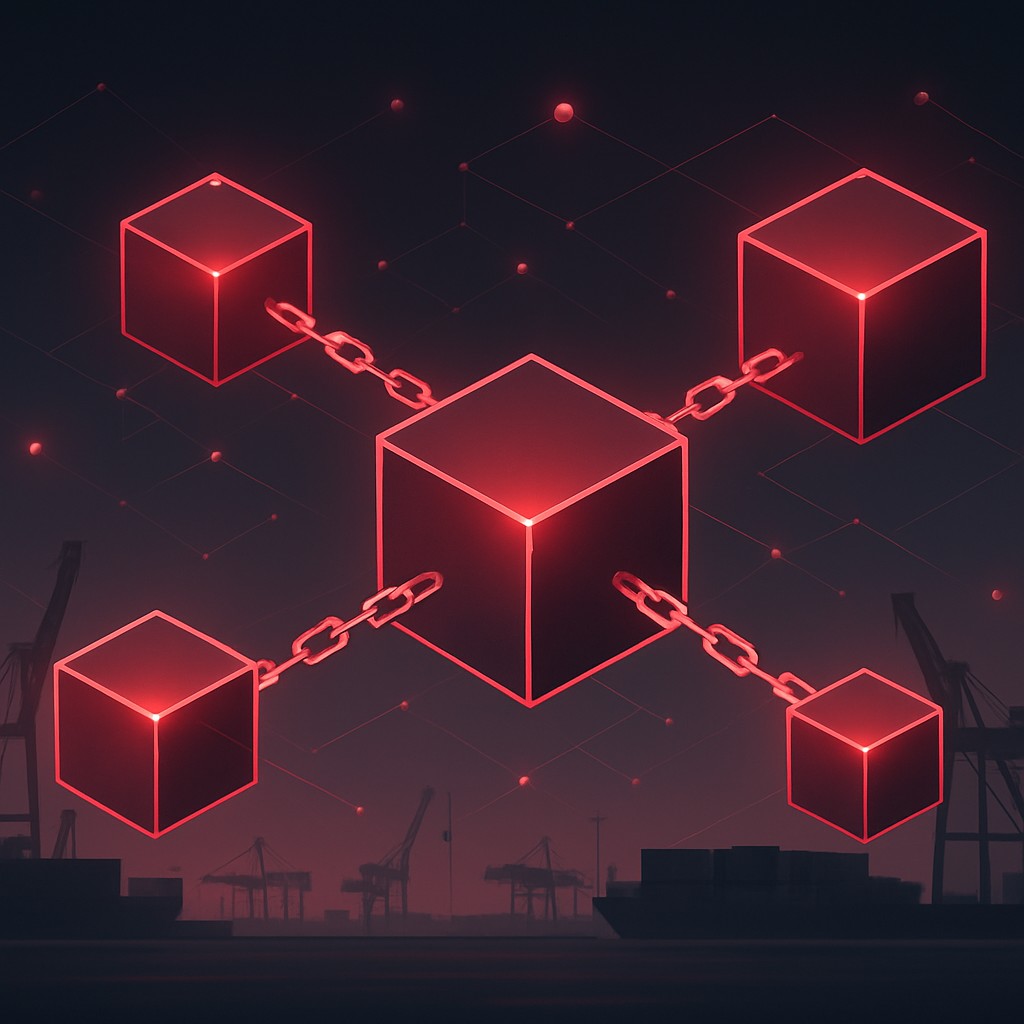
Blockchain Innovation in the Netherlands
Blockchain technology promises to reshape how value and information move across the world, and the Netherlands has become one of Europe's most active blockchain hubs. Rather than chasing speculative hype, Dutch companies and institutions have focused on practical applications, exploring how distributed ledgers can improve transparency, efficiency, and trust in industries from finance to logistics.
The country's supportive regulatory dialogue, strong fintech sector, and collaborative innovation culture have nurtured a community of blockchain pioneers. Government bodies, banks, and startups alike have run pilots and built production systems, positioning the Netherlands as a serious player in the global blockchain landscape.
A Pragmatic Approach to Distributed Ledgers
What distinguishes the Dutch blockchain scene is its grounded, problem-solving orientation. Where some markets fixated on cryptocurrency speculation, Dutch innovators asked how the underlying technology could deliver tangible benefits. This led to projects addressing supply chain traceability, secure identity, financial settlement, and the digitization of assets.
This pragmatism reflects the broader national character. Dutch organizations value solutions that work in the real world, and blockchain initiatives in the country tend to emphasize measurable outcomes, regulatory compliance, and genuine business value over technological novelty.
Leading Blockchain Companies
LTO Network, based in Amsterdam, built a hybrid blockchain platform focused on secure collaboration and verifiable data, gaining recognition across Europe. Settlemint, with strong Dutch and Belgian roots, provides a blockchain development platform that helps enterprises build applications rapidly.
Blocklab, established in Rotterdam, explored blockchain applications in energy and logistics, leveraging the city's port as a testbed for innovation. Bloqhouse developed software for tokenizing real estate and investment funds, bringing blockchain to the financial world.
Ledger Leopard, Quantoz, and Firm24 contribute enterprise solutions, digital payment tokens, and legal-tech innovations respectively. Dusk Network focuses on privacy-oriented financial infrastructure, while Nederlandse Blockchain Coalitie coordinates collaboration across sectors. Consultancies such as Deloitte and Capgemini also maintain dedicated blockchain practices serving Dutch enterprises.
Real-World Applications
Dutch blockchain projects span a wide range of use cases. In supply chain management, distributed ledgers provide end-to-end traceability, letting companies verify the provenance and authenticity of goods. This is especially valuable for the Netherlands given its role as a major trading and logistics hub.
In finance, blockchain enables faster settlement, reduced fraud, and new forms of digital assets. The Port of Rotterdam, Europe's largest, has explored blockchain to streamline shipping documentation and logistics coordination. Energy companies have piloted peer-to-peer trading platforms, while government agencies have investigated secure digital identity solutions.
The Regulatory Environment
The Netherlands maintains a constructive relationship between regulators and the blockchain industry. Dutch authorities have engaged in dialogue with innovators, providing clarity where possible while protecting consumers and the financial system. This balanced approach has fostered an environment where responsible experimentation can flourish.
European frameworks governing crypto assets and digital finance increasingly shape the landscape, and Dutch companies are well positioned to navigate these rules. Their emphasis on compliance and practical value aligns naturally with a maturing regulatory regime that favors legitimate, well-governed applications.
Challenges and Opportunities
Despite its promise, blockchain adoption faces challenges including scalability, interoperability, and the need for industry-wide standards. Dutch firms are tackling these issues through collaboration, building interoperable platforms and contributing to open standards. The collaborative culture that defines Dutch business proves especially valuable here, as blockchain often delivers its greatest benefits when multiple parties participate in shared networks.
The opportunities remain substantial. As industries digitize and demand greater transparency, blockchain offers a compelling foundation for trustworthy systems. Dutch companies, with their practical focus and technical skill, are well placed to lead this evolution.
Conclusion
The Netherlands has cultivated a thriving, pragmatic blockchain industry that prioritizes real-world impact over speculation. From supply chain traceability and financial innovation to energy trading and digital identity, Dutch firms apply distributed ledger technology to meaningful challenges. For organizations exploring blockchain, the Dutch market offers experienced, grounded partners committed to delivering genuine value in a responsible and compliant manner.
