
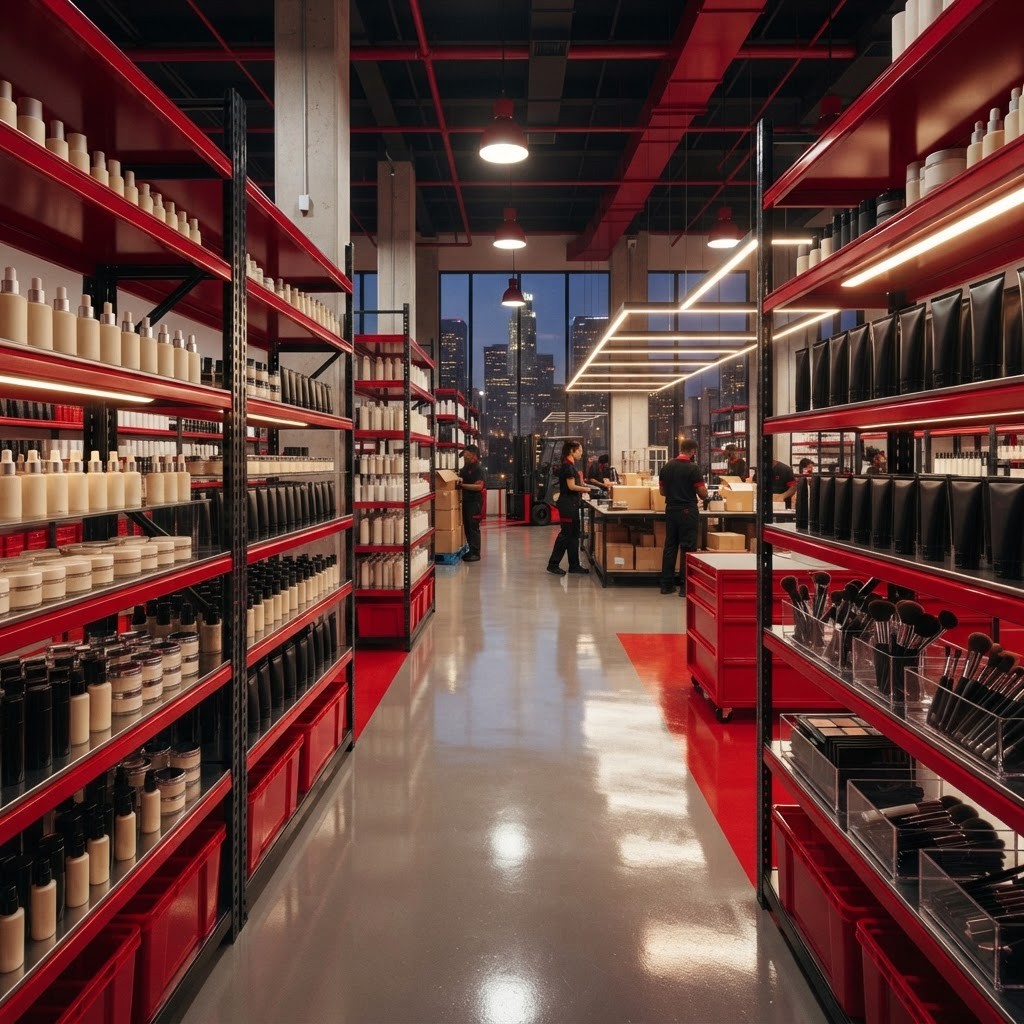
Los Angeles as a Beauty Wholesale Hub
Los Angeles influences global beauty through entertainment, social media, multicultural entrepreneurship, wellness culture, and a dense network of salons and independent brands. Wholesale buyers can source professional hair care, nail products, cosmetics, skincare, barber supplies, tools, and packaging across the region. The opportunity is substantial, but so is the need for careful product verification.
The businesses below serve different segments and may have professional-license or resale requirements. Brand authorizations and assortments change, so buyers should confirm current terms directly.
1. SalonCentric
SalonCentric distributes professional hair, nail, skincare, and salon products to licensed beauty professionals. Education is a significant part of its value, helping stylists understand techniques and new product systems. Professional-only distribution can also help protect product positioning and ensure informed use.
2. CosmoProf
CosmoProf is a large professional beauty distributor with extensive Southern California access. It offers hair color, care, nails, tools, and salon essentials. Store availability, education, and broad brand coverage make it a practical source for working salons and independent professionals.
3. Marlo Beauty Supply
Marlo Beauty Supply serves licensed professionals with salon and spa products through a wholesale model. Its catalog spans hair, nails, skincare, waxing, equipment, and supplies. Digital ordering can be useful for businesses that need consistent replenishment rather than occasional shopping trips.
4. Jinny Beauty Supply
Jinny Beauty Supply is a major multicultural beauty distributor serving retailers with hair care, extensions, cosmetics, accessories, and related products. Its category depth is relevant in Los Angeles, where stores serve highly varied hair textures and beauty traditions. Retailers benefit from understanding neighborhood-specific demand.
5. Lynamy Beauty Supply
Lynamy Beauty Supply is known in the Los Angeles wholesale market for cosmetics, lashes, accessories, and beauty-store merchandise. Its broad, trend-responsive selection can help independent retailers refresh displays frequently. Buyers should balance fast trends with reliable everyday replenishment items.
6. Starlight Beauty Supply
Starlight Beauty Supply serves beauty professionals and retailers with salon products, tools, hair care, and accessories. A local wholesale source can be valuable when a salon faces an urgent color or supply shortage. Buyers should confirm professional restrictions and return policies.
7. Skyline Beauty Supply
Skyline Beauty Supply offers professional and retail beauty merchandise across hair, nails, and salon needs. Its assortment is relevant to independent operators who prefer to compare products in person. Knowledgeable service matters when products have technical compatibility requirements.
8. Nail Company Wholesale Supply
Nail-focused wholesalers supply gels, acrylic systems, polish, implements, furniture, and sanitation products to Los Angeles technicians and salons. Specialized depth helps professionals keep systems compatible and discover current finishes. Buyers should prioritize compliant labeling, safe handling, and dependable batch quality.
9. Image Beauty
Image Beauty distributes professional and consumer beauty products across hair, skincare, cosmetics, and tools. A multi-category source can simplify procurement for spas and beauty retailers. Brand authorization and warranty coverage should be checked for electrical tools and premium products.
10. Universal Companies
Universal Companies supplies spa, esthetics, wellness, and salon businesses with skincare, equipment, disposables, furniture, and operational products. Its business-focused range is relevant to Los Angeles spas that need treatment-room supplies as well as retail merchandise. Training and protocol support can make product adoption more effective.
Buying Beauty Products Responsibly
Authenticity is essential. Diverted, expired, improperly stored, or counterfeit cosmetics can harm clients and expose retailers to legal and reputational risk. Purchase from authorized channels, keep invoices and lot information, inspect seals, and follow storage guidance. Check ingredient labeling, professional-use restrictions, and applicable cosmetic regulations before resale.
Trend velocity is high in Los Angeles, but viral demand can disappear quickly. Use small test orders, monitor sell-through, and avoid overcommitting to novelty shades or tools. Calculate margin after testers, leakage, theft, marketplace fees, and returns. Strong wholesalers provide fresh inventory, accurate product information, predictable replenishment, and education that helps salons and retailers recommend products confidently.
Planning a Successful Supplier Relationship
Before opening an account, create a written purchasing brief that defines required products, expected order frequency, acceptable lead times, quality standards, budget limits, and delivery constraints. Share realistic forecasts without presenting them as guaranteed orders. Ask each supplier how quotations are updated, how backorders are communicated, who handles quality concerns, and what documentation accompanies a shipment. A trial order can reveal far more about picking accuracy, packaging, communication, and product consistency than a polished sales presentation.
It is also wise to avoid dependence on a single source for every critical item. Maintain approved alternatives while giving strong primary suppliers enough predictable business to invest in the relationship. Review performance quarterly using measurable factors such as on-time delivery, defect rate, response speed, invoice accuracy, and resolution of claims. In Los Angeles, delivery plans should account for traffic, loading zones, limited warehouse space, seasonal demand, and the distance between coastal, central, and inland locations. Clear receiving procedures help teams photograph damage, check quantities, preserve lot information, and report discrepancies promptly.
Finally, treat the list above as a starting point rather than a substitute for due diligence. Visit showrooms or facilities when practical, request samples, verify business credentials and insurance where relevant, and speak with comparable customers. The best long-term partner is transparent about both strengths and limitations. Consistent communication, documented expectations, and fair payment practices create a more resilient supply chain for buyer and supplier alike.
