
The Dutch Baking Tradition
The Netherlands has a deep and cherished baking heritage, woven into the fabric of daily life. From the morning ritual of fresh bread to the indulgence of a stroopwafel or appeltaart, baked goods hold a special place in Dutch culture. Across the country, bakeries large and small uphold time-honored traditions while embracing modern artisanal techniques, producing some of the finest bread and pastries in Europe.
Dutch bakeries reflect the nation's values of quality, craftsmanship, and conviviality. Whether tucked into a historic city center or anchoring a neighborhood high street, the local bakery serves as a gathering place where the aroma of freshly baked bread draws people together. This guide explores the bakeries that exemplify Dutch baking at its best.
Iconic Dutch Baked Goods
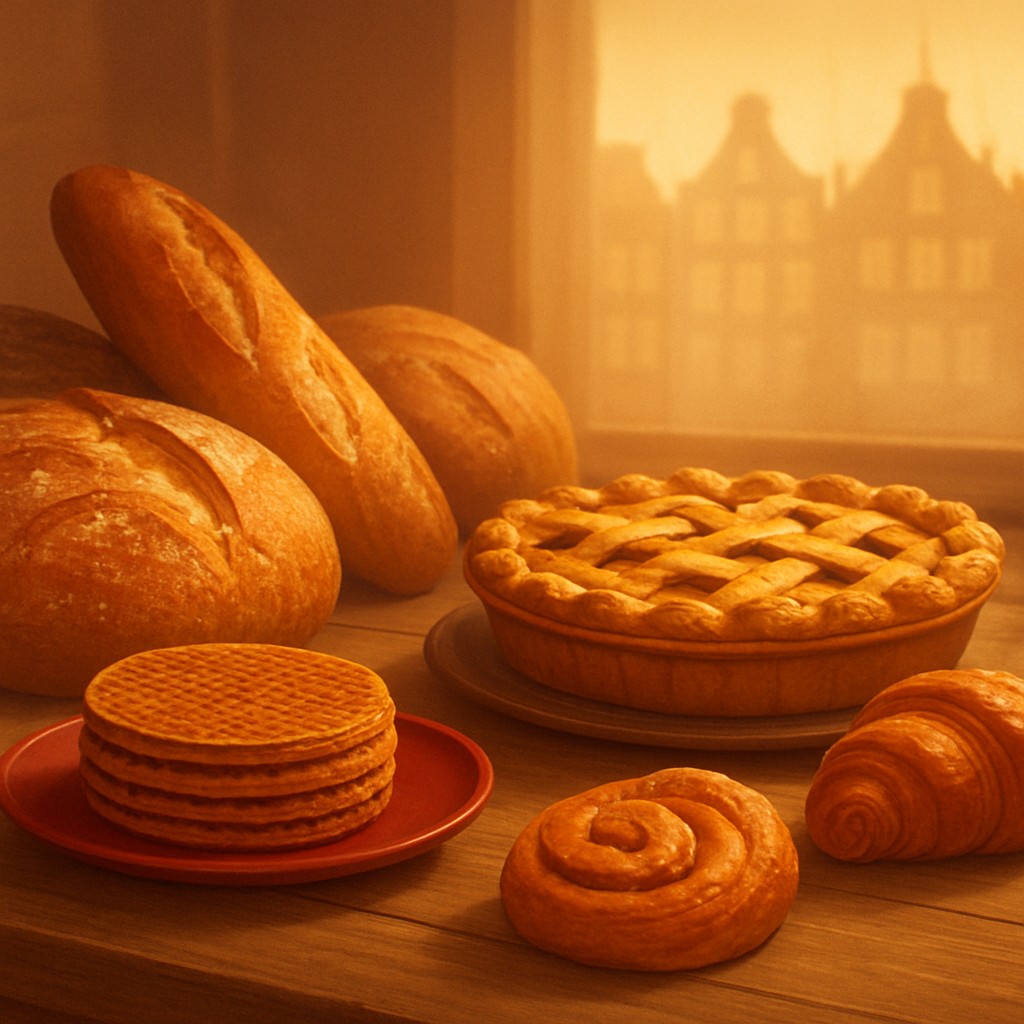
To appreciate Dutch bakeries, one must understand the treats they produce. The stroopwafel, two thin waffle layers sandwiching a caramel syrup, is perhaps the most famous, especially when enjoyed warm. Appeltaart, the Dutch apple pie, is beloved for its spiced filling and crumbly crust, often served with whipped cream.
Other favorites include the oliebol, a deep-fried dough ball traditionally eaten around New Year; the krentenbol, a currant-studded bread roll; and tompouce, a pastry layered with cream and topped with pink icing. Dutch bakeries also produce excellent crusty breads, rye loaves, and an array of cookies and seasonal specialties.
Leading Bakeries in the Netherlands
Bakkerij Hartog's Volkoren in Amsterdam is celebrated for its organic, traditionally baked breads, drawing devoted customers who queue for its hearty loaves. Lievelingen brings artisanal craft and seasonal flavors to the capital's baking scene.
Vlaamsch Broodhuys offers premium sourdough breads and pastries across several locations, combining old-world techniques with refined quality. Bakkerij Van Rijn and Bakkerij Lukas serve their communities with consistently excellent traditional baked goods.
Petit Gateau in Amsterdam specializes in exquisite French-inspired patisserie, while Bakery De Eenvoud focuses on honest, simple breads made with care. Holtkamp, a historic Amsterdam patisserie, is renowned for its croquettes and classic pastries.
In other cities, Bakkerij Kwekkeboom and beloved local institutions like De Laatste Kruimel delight customers with cakes, pies, and pastries that capture the heart of Dutch baking. Together these establishments showcase the diversity and quality of the national baking scene.
Artisan Bread Movement
The Netherlands has embraced the artisan bread movement with enthusiasm. A growing number of bakeries focus on traditional methods, using natural sourdough starters, long fermentation times, and high-quality ingredients to produce bread with exceptional flavor and texture. This revival celebrates craftsmanship over mass production, and discerning customers reward these bakeries with loyal patronage.
Organic and whole-grain breads have become especially popular, reflecting growing interest in health and sustainability. Bakeries like Hartog's Volkoren have built their reputations on wholesome, traditionally baked loaves that nourish both body and community.
The Bakery as Community Hub
In Dutch towns and city neighborhoods, the bakery is more than a shop; it is a community institution. Locals begin their day with a visit for fresh bread, exchange greetings with the baker, and catch up with neighbors. This social dimension gives Dutch bakeries an enduring charm and importance that transcends mere commerce.
Many bakeries have operated for generations, passing recipes and techniques from parent to child. This continuity preserves culinary heritage and ensures that the flavors enjoyed today connect to those of the past, lending a comforting sense of tradition and authenticity.
Modern Trends and Innovation
While tradition runs deep, Dutch bakeries also innovate. Many now offer gluten-free, vegan, and health-conscious options to meet evolving tastes. Creative bakers experiment with international influences, seasonal ingredients, and contemporary presentations, keeping the baking scene fresh and exciting.
Specialty coffee, comfortable seating, and inviting interiors have transformed some bakeries into beloved cafes where customers linger over pastries and conversation. This blending of tradition and modernity ensures Dutch bakeries remain relevant and cherished in a changing world.
Conclusion
The Netherlands offers a wonderful array of bakeries, from artisan bread specialists to historic patisseries producing beloved Dutch treats. Rooted in tradition yet open to innovation, these establishments delight customers with quality, craftsmanship, and warmth. Whether you crave a warm stroopwafel, a slice of appeltaart, or a perfect sourdough loaf, the bakeries of the Netherlands promise an authentic and delicious experience that captures the heart of Dutch culture.
