
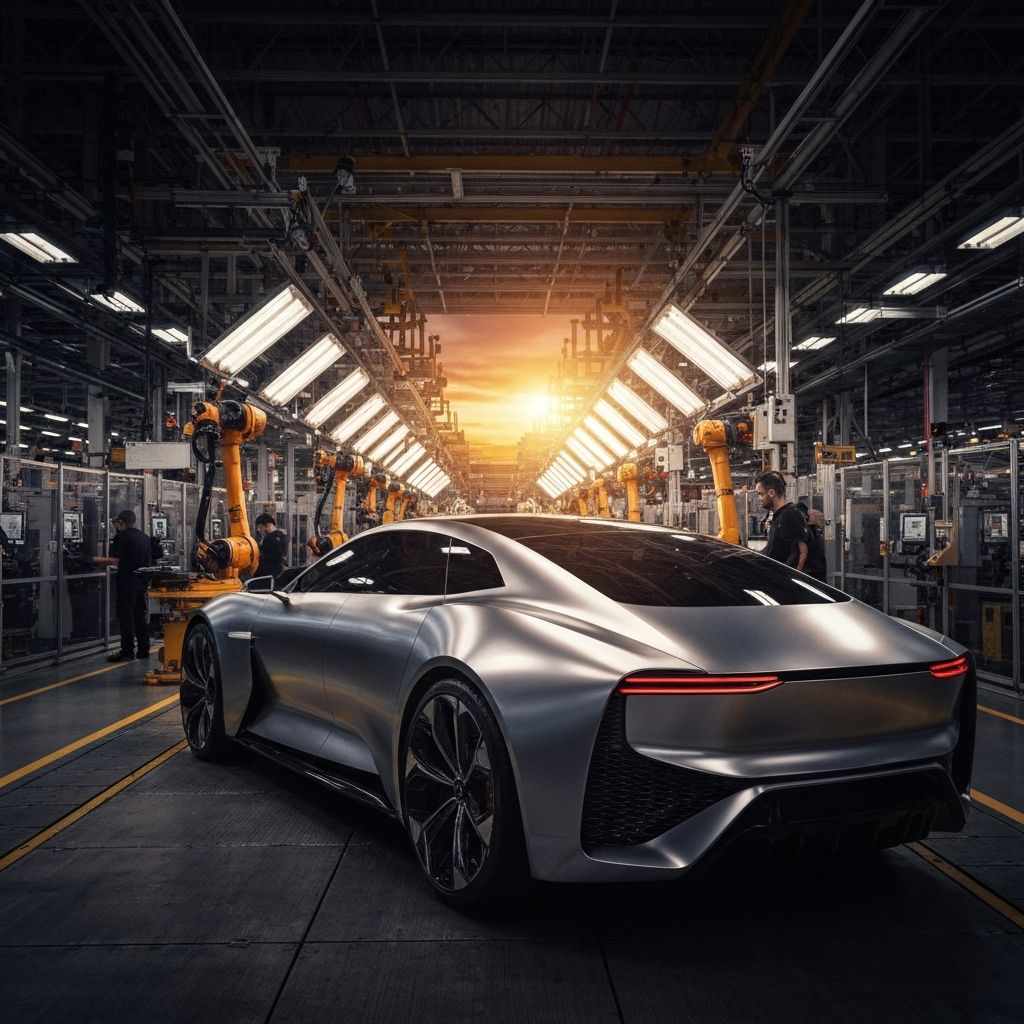
Turkey's Automotive Industry at a Glance
Turkey is one of Europe's largest automotive manufacturing centers and a strategic hub for global automakers. With decades of experience, a skilled workforce, and a robust supplier base, the country produces a wide range of passenger cars, light commercial vehicles, trucks, buses, and components. The automotive sector is also a leading exporter, with Turkish-built vehicles sold across Europe, the Middle East, North Africa, and beyond. The launch of TOGG, Turkey's first domestically produced electric vehicle brand, marked a major milestone in the country's automotive ambitions.
The Strategic Importance of the Sector
The automotive industry is one of the most important drivers of Turkey's economy. It supports hundreds of thousands of jobs, contributes substantially to exports, and anchors a large supplier ecosystem. The sector is closely integrated with European automotive supply chains, benefiting from the customs union with the European Union. As the global industry transitions toward electric and connected vehicles, Turkey is positioning itself as a competitive manufacturing base for the next generation of mobility.
Top 10 Automotive Manufacturers in Turkey
1. Tofaş — A joint venture between Koç Holding and Stellantis, producing passenger cars and light commercial vehicles for both the domestic market and major global brands.
2. Ford Otosan — One of Ford's most important global manufacturing operations, producing the Transit family of commercial vehicles and engines for international markets.
3. Oyak Renault — A long-established passenger car manufacturer producing models that have been bestsellers in Europe and the Middle East.
4. Toyota Türkiye — A major Toyota production hub focused on hybrid and conventional passenger vehicles for export across Europe.
5. Hyundai Assan Otomotiv — Hyundai's strategic European production base, manufacturing passenger cars tailored to European preferences.
6. TOGG — Turkey's first homegrown automotive brand, producing electric SUVs and aiming to expand into multiple electric vehicle segments.
7. Mercedes-Benz Türk — Produces buses and trucks at world-class facilities, supplying public transport and logistics fleets across many countries.
8. MAN Türkiye — A leading bus and coach manufacturer producing vehicles for tourism, intercity, and public transport markets worldwide.
9. Otokar — A diversified manufacturer of buses, military vehicles, and trailers, recognized for engineering quality and reliability.
10. Karsan — A versatile producer of buses, minibuses, and light commercial vehicles, increasingly focused on electric and autonomous mobility solutions.
Vehicle Categories and Production Strengths
Turkey's automotive plants produce a wide range of vehicles, including passenger cars, light commercial vans, heavy trucks, and a broad spectrum of buses. The country is one of the largest bus manufacturing centers in Europe, supplying public transport systems worldwide. Light commercial vehicles are another strength, particularly the Transit family produced by Ford Otosan, which is one of the best-selling commercial vehicles in Europe.
The Rise of Electric Vehicles
Electric mobility is reshaping Turkey's automotive industry. TOGG's introduction of locally designed and manufactured electric SUVs represents a significant strategic step. Other manufacturers in Turkey are also expanding production of hybrid and electric models, supported by growing investments in battery technology, charging infrastructure, and EV components. The combination of skilled engineering and supportive industrial policies positions the country well for EV growth.
Supplier Ecosystem and Components
Behind the major automakers stands an extensive supplier base producing engines, transmissions, electronics, lighting, seating, and other components. Turkish suppliers serve not only domestic plants but also export directly to global OEMs. Cities like Bursa, Kocaeli, and İzmir have developed into integrated automotive clusters with strong logistics and skilled labor pools.
Innovation and Technology
Turkish automotive companies are investing in advanced driver assistance systems, connected vehicle platforms, lightweight materials, and digital manufacturing. Industry 4.0 technologies, including robotics, IoT, and AI-based quality inspection, are widely used in modern plants. Several manufacturers also operate R&D centers focused on powertrain innovation, electrification, and vehicle software.
Sustainability in Automotive Manufacturing
Sustainability is a strategic priority. Leading manufacturers are reducing energy and water consumption, increasing renewable electricity use, and adopting circular economy practices including recycling and remanufacturing. Vehicle electrification, combined with cleaner manufacturing processes, contributes to broader decarbonization goals for the sector.
Export Markets and Global Integration
Vehicles produced in Turkey are exported to more than one hundred countries. The European Union is the dominant market, followed by the United Kingdom, the Middle East, and Africa. The customs union with the EU, combined with high product quality and competitive costs, makes Turkey a critical part of European automotive supply chains.
Future Outlook
The future of Turkey's automotive industry will be shaped by electrification, software-defined vehicles, autonomous driving, and shifting consumer expectations. Investments in EV platforms, batteries, semiconductors, and mobility services are expected to accelerate. Leading manufacturers are well positioned to navigate these changes and continue building Turkey's global reputation in mobility.
Conclusion
Turkey's top automotive manufacturers are a powerful blend of global expertise and homegrown ambition. From iconic commercial vehicles to advanced electric SUVs, the country produces vehicles that meet the highest international standards. The companies featured here represent the best of Turkish automotive manufacturing — innovative, sustainable, and ready to drive the future of mobility on a global scale.
