
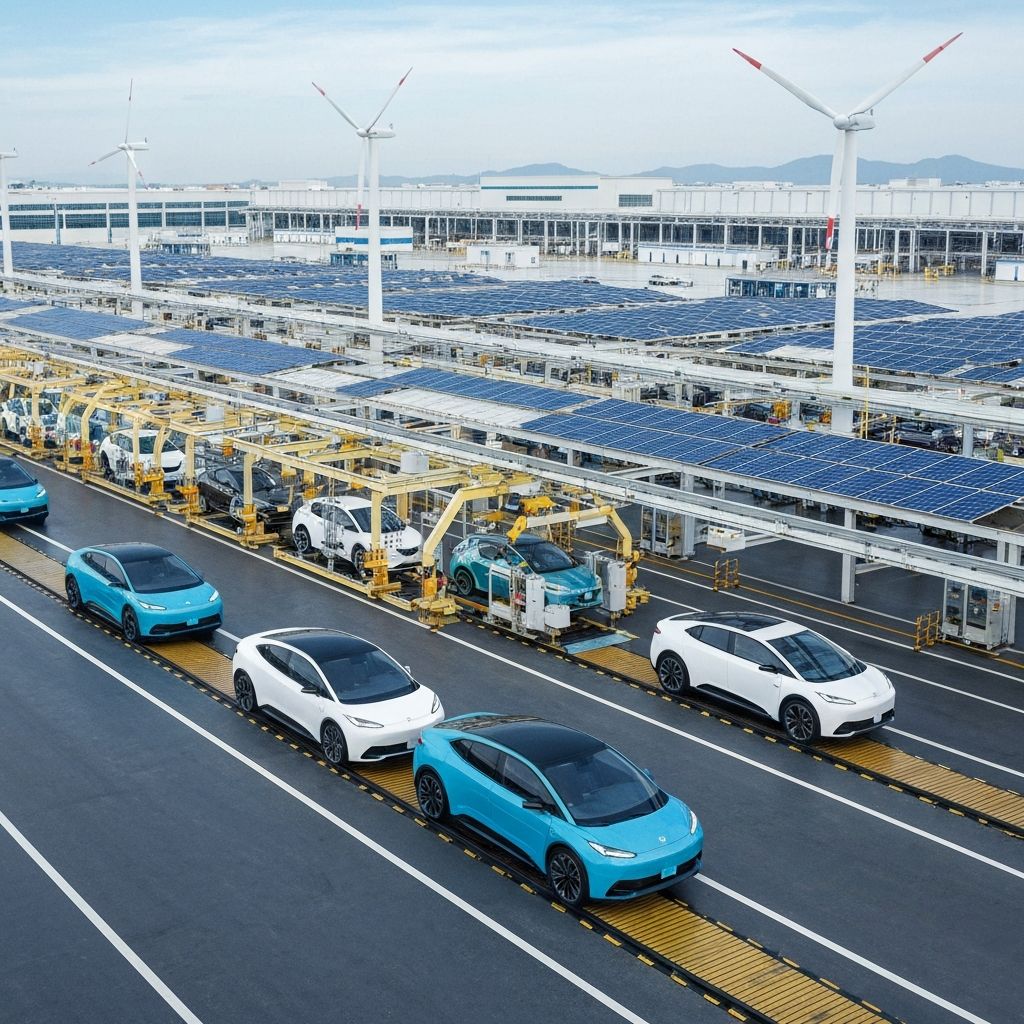
China's Automotive Revolution
China has emerged as the world's largest automotive market and increasingly, a leading source of automotive innovation, particularly in electric vehicles. Chinese automakers have evolved from producing basic vehicles to developing sophisticated products that compete globally. The transition to electric mobility has accelerated domestic industry development, with Chinese companies leading battery technology, electric drivetrains, and intelligent vehicle systems. These manufacturers are challenging established global brands with compelling products that combine advanced technology with competitive pricing.
1. BYD Auto
BYD Auto has become the world's largest electric vehicle manufacturer, leveraging parent company BYD's dominance in battery technology. The company's product range spans affordable compact cars to premium sedans and SUVs, all powered by proprietary battery and electric drivetrain systems. BYD's Blade Battery technology provides safety advantages while maintaining competitive energy density and cost. Their international expansion includes growing sales in Europe, Southeast Asia, and other regions. BYD's vertical integration from batteries through vehicles provides cost and technology advantages that competitors struggle to match.
2. Geely Automobile Holdings
Geely Automobile Holdings has transformed from domestic Chinese automaker to global automotive group through strategic acquisitions including Volvo Cars and stake purchases in Daimler. The company leverages acquired technology and expertise across its portfolio of brands addressing diverse market segments. Geely's Zeekr brand targets premium electric vehicle markets with sophisticated products. Their Lynk and Co brand experiments with innovative ownership models combining purchase and subscription options. Geely's ambitious vision encompasses the complete future mobility ecosystem.
3. SAIC Motor Corporation
SAIC Motor Corporation ranks among China's largest automakers, operating joint ventures with General Motors and Volkswagen alongside proprietary brands. The company's MG brand has achieved notable success in European markets with competitive electric vehicles. SAIC's investment in autonomous driving and connected vehicle technologies positions them for transportation evolution. Their manufacturing scale and joint venture relationships provide technology access and operational excellence. SAIC demonstrates successful balance of domestic market leadership with international expansion.
4. Great Wall Motor
Great Wall Motor has built market leadership in pickup trucks and SUVs before expanding into passenger vehicles and electric mobility. The company's Haval SUV brand dominates domestic market segments while growing internationally. Great Wall's ORA brand focuses on electric vehicles with distinctive designs appealing to younger consumers. Their strategic focus on specific vehicle categories has built concentrated expertise and brand strength. Great Wall's overseas expansion includes manufacturing facilities in Russia, Thailand, and planned European operations.
5. NIO Inc
NIO Inc has established itself as China's premium electric vehicle pioneer, developing sophisticated products with innovative features including battery swapping capability. The company's vehicles combine performance, technology, and luxury positioning competing with premium global brands. NIO's battery-as-a-service model addresses range anxiety while reducing upfront vehicle costs. Their expansion into European markets tests premium Chinese brand acceptance internationally. NIO's technology innovation and brand building represent new approaches in Chinese automotive development.
6. XPeng Inc
XPeng Inc focuses on intelligent electric vehicles incorporating advanced driver assistance systems and autonomous driving capabilities. The company's vehicles feature sophisticated software platforms enabling continuous feature updates. XPeng's research investments in artificial intelligence and autonomous driving position them at technology frontiers. Their product portfolio addresses diverse market segments from compact sedans to larger SUVs. XPeng's technology-first approach attracts consumers valuing innovation and smart features.
7. Li Auto Inc
Li Auto Inc has differentiated through extended-range electric vehicles that combine battery operation with gasoline range extension, addressing consumer concerns about charging infrastructure. The company's products target family-oriented buyers with spacious SUV configurations. Li Auto's pragmatic approach to electrification resonates with consumers not ready for pure battery vehicles. Their focus on specific market segments enables concentrated product development resources. Li Auto's success demonstrates viable alternative approaches to vehicle electrification.
8. Changan Automobile
Changan Automobile ranks among China's largest state-owned automakers, with history extending over one hundred fifty years. The company operates joint ventures with Ford, Mazda, and other international partners alongside proprietary brand development. Changan's electric vehicle initiatives include partnerships with NIO and Huawei on advanced technology platforms. Their manufacturing scale and engineering capabilities support ambitious product development programs. Changan's evolution toward new energy vehicles reflects strategic commitment to industry transformation.
9. Chery Automobile
Chery Automobile has built strong international presence particularly in developing markets across South America, Middle East, and Africa. The company's diverse product range addresses varied market requirements and price points. Chery's export success demonstrates competitiveness in international markets despite limited premium market presence. Their new energy vehicle development is accelerating with increasing electric and hybrid offerings. Chery's international experience positions them for continued global expansion.
10. Dongfeng Motor Corporation
Dongfeng Motor Corporation operates as one of China's largest state-owned automotive groups with extensive joint venture relationships including Nissan, Honda, and PSA. The company produces commercial vehicles alongside passenger vehicles serving diverse market segments. Dongfeng's new energy vehicle initiatives span proprietary and joint venture product development. Their manufacturing scale and diverse brand portfolio provide market coverage across segments. Dongfeng's strategic partnerships accelerate technology development while maintaining domestic market positions.
Global Ambitions and Electric Future
Chinese automotive manufacturers are increasingly competing in international markets, particularly in electric vehicles where their technology leadership provides competitive advantages. These companies continue investing heavily in autonomous driving, connected vehicles, and new mobility services. The global automotive industry transformation creates opportunities for Chinese manufacturers to establish positions beyond their domestic market. Their combination of scale, technology investment, and competitive pricing positions them to reshape global automotive industry dynamics.
