
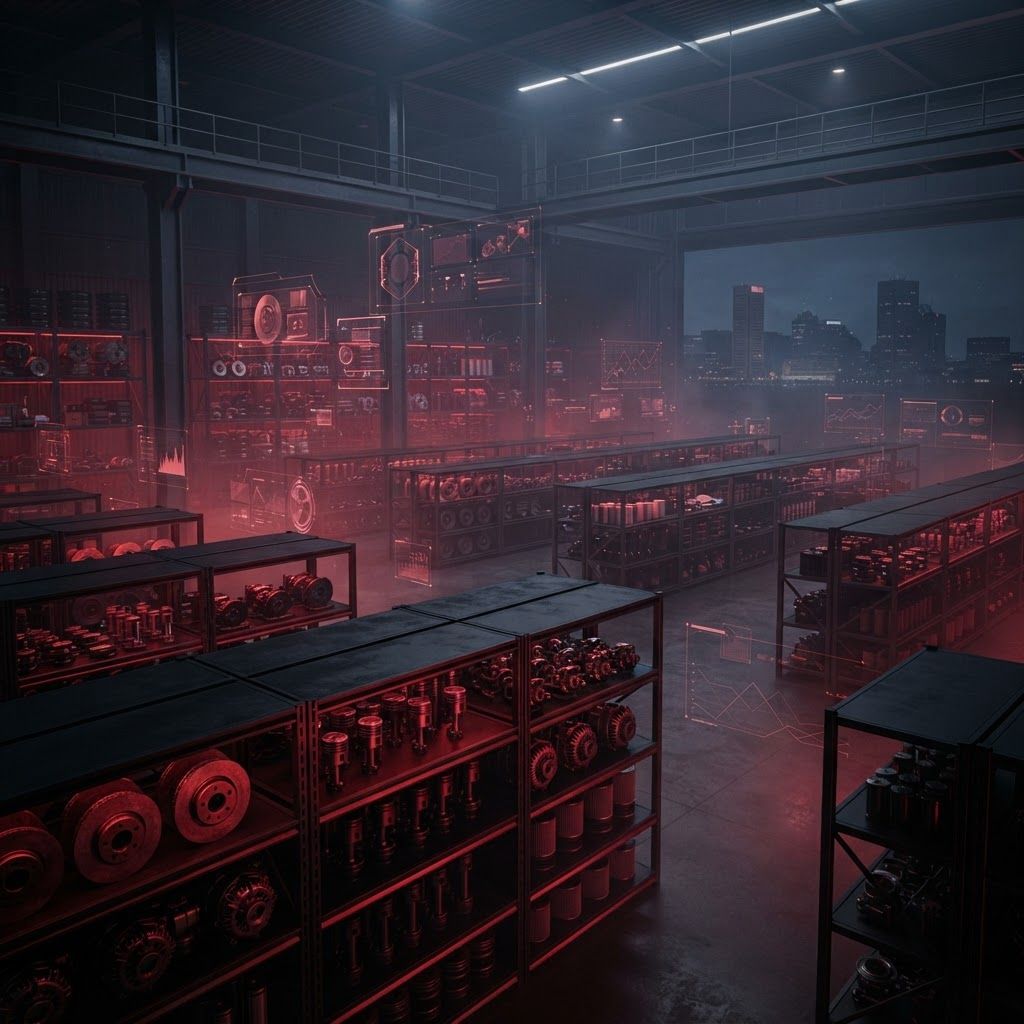
Why Parts Sourcing Matters So Much in Baltimore
Baltimore is a working city, and its vehicles show it. Between salted winter roads, humid Chesapeake summers, stop-and-go traffic on the Beltway and the constant freight movement around the port, cars and trucks in the region age faster than they would in gentler climates. Corrosion on brake lines, premature suspension wear from patched pavement and heat-stressed cooling systems are all routine in Charm City. That reality has produced an unusually strong local parts industry, with suppliers who understand exactly which components fail first and why.
For independent repair shops, fleet managers and weekend mechanics alike, the choice of parts supplier shapes everything downstream: how long a repair lasts, how quickly a vehicle returns to service and how much the job ultimately costs. The best suppliers in Baltimore compete less on price than on availability, technical knowledge and the speed of their delivery runs.
What Separates a Great Supplier From an Average One
Experienced buyers evaluate parts houses on a handful of practical measures. Inventory depth is first: a supplier that stocks multiple tiers of the same component lets a shop offer a budget option and a premium option in the same conversation. Delivery cadence matters just as much, because a shop with a car on the lift cannot wait until tomorrow. Counter expertise is the quiet differentiator, since a knowledgeable counterperson who can cross-reference an obscure part number saves hours of diagnostic guesswork.
Warranty handling, core return policies, electronic catalog integration and the willingness to source hard-to-find items round out the picture. In Baltimore specifically, suppliers who understand rust-belt style corrosion damage and stock stainless or coated alternatives earn considerable loyalty.
The Ten Standout Auto Parts Suppliers in Baltimore
1. Advance Auto Parts maintains one of the densest store networks across Baltimore City and the surrounding counties, which makes it a reliable first stop for maintenance items, batteries, brake components and filters. Its strength is convenience and consistent stock of high-turn parts, backed by loaner tool programs and free diagnostic scans that appeal to do-it-yourself customers.
2. AutoZone is similarly widespread and known for extended hours, a genuinely useful commercial delivery program and staff who will test batteries, starters and alternators on the spot. Many neighborhood shops use it as an overflow supplier when a primary vendor is out of stock, and its lifetime warranty coverage on select lines is a meaningful selling point.
3. NAPA Auto Parts holds a strong reputation among professional technicians in the region for the technical depth of its catalog. Independent NAPA locations around Baltimore often stock heavier-duty and commercial-grade components that consumer-focused chains skip, and the brand's professional program is a staple for shops handling fleet and light-truck work.
4. O'Reilly Auto Parts has expanded steadily through the Baltimore market and is frequently praised for counter service and the willingness to chase down unusual part numbers. Its machine shop services at select stores, including drum and rotor work, give it added value for shops without in-house equipment.
5. Genuine Parts Company distributors operating in the greater Baltimore area supply the wholesale backbone for many smaller retailers. For fleets and multi-bay shops, buying through a distribution-level relationship can mean better pricing tiers and next-morning availability on slower-moving items.
6. Baltimore-area dealership parts departments, including those attached to major franchised dealers along the Route 40 and Reisterstown Road corridors, remain the definitive source for original equipment components. When a customer needs an exact-fit electronic module, a body panel with correct mounting geometry or a factory-specification sensor, OEM counters are usually the only realistic answer.
7. Bumper to Bumper affiliated stores serve the region through a cooperative model that blends independent ownership with group purchasing power. The result is a hybrid of local relationship service and broad catalog access, which many neighborhood shops prefer.
8. Local salvage and recycling yards in and around Baltimore, including the cluster of licensed auto recyclers serving the metro area, are indispensable for used assemblies, discontinued trim and body parts. Reputable yards now catalog inventory digitally, offer limited warranties on tested components and provide an environmentally responsible path for older vehicles.
9. Specialty performance and import parts retailers scattered through the city cater to enthusiasts running European, Japanese and domestic performance platforms. These shops stock suspension kits, forced-induction hardware and specialty fluids that general parts houses rarely carry, and their staff typically bring hands-on build experience.
10. Heavy-duty and commercial truck parts suppliers near the port and industrial corridors support the freight economy that defines much of Baltimore's traffic. Air brake components, hydraulic fittings, trailer hardware and diesel filtration are their bread and butter, and their delivery reliability is critical to keeping commercial fleets earning.
Industry Trends Reshaping Parts Supply
Several forces are changing how Baltimore buys parts. Electrification is gradually shifting demand away from traditional engine components toward thermal management systems, high-voltage cabling and specialized diagnostic tooling. Advanced driver assistance systems mean that a routine windshield or bumper replacement now involves sensor recalibration, pushing suppliers to stock calibration targets and partner with mobile calibration providers.
Supply chain volatility has also made local inventory depth more valuable than it was a decade ago. Suppliers who invested in warehouse space and regional distribution weathered recent shortages far better than those relying on lean, just-in-time replenishment. Meanwhile, digital ordering platforms with live stock visibility have become table stakes; shops expect to see real availability before they commit a bay to a job.
How to Choose the Right Supplier for Your Situation
Do-it-yourself customers generally get the best experience from the national retail chains, where in-store testing, tool loans and straightforward warranties reduce risk. Professional shops usually build a primary relationship with a technically strong wholesaler and keep two or three secondary accounts for coverage. Fleet operators should prioritize delivery guarantees and consolidated billing over headline pricing, since downtime costs far more than a few dollars per component.
Restoration and enthusiast projects almost always require a blend of sources: OEM counters for correct fitment, specialty retailers for upgrades and salvage yards for period-correct pieces. Asking a supplier how it handles a wrong-part return, how quickly it can special-order and whether it can provide the same component in multiple quality tiers reveals more than any advertised discount.
Final Thoughts
Baltimore's parts ecosystem is unusually well developed for a city of its size, shaped by heavy commercial traffic, an aging vehicle population and harsh seasonal conditions. Whether the priority is same-day availability, factory-exact fitment or a hard-to-find component for an older platform, there is a supplier in the metro area built for that need. The most successful buyers treat parts sourcing as a relationship rather than a transaction, and that approach consistently pays off in faster repairs and longer-lasting results.
