
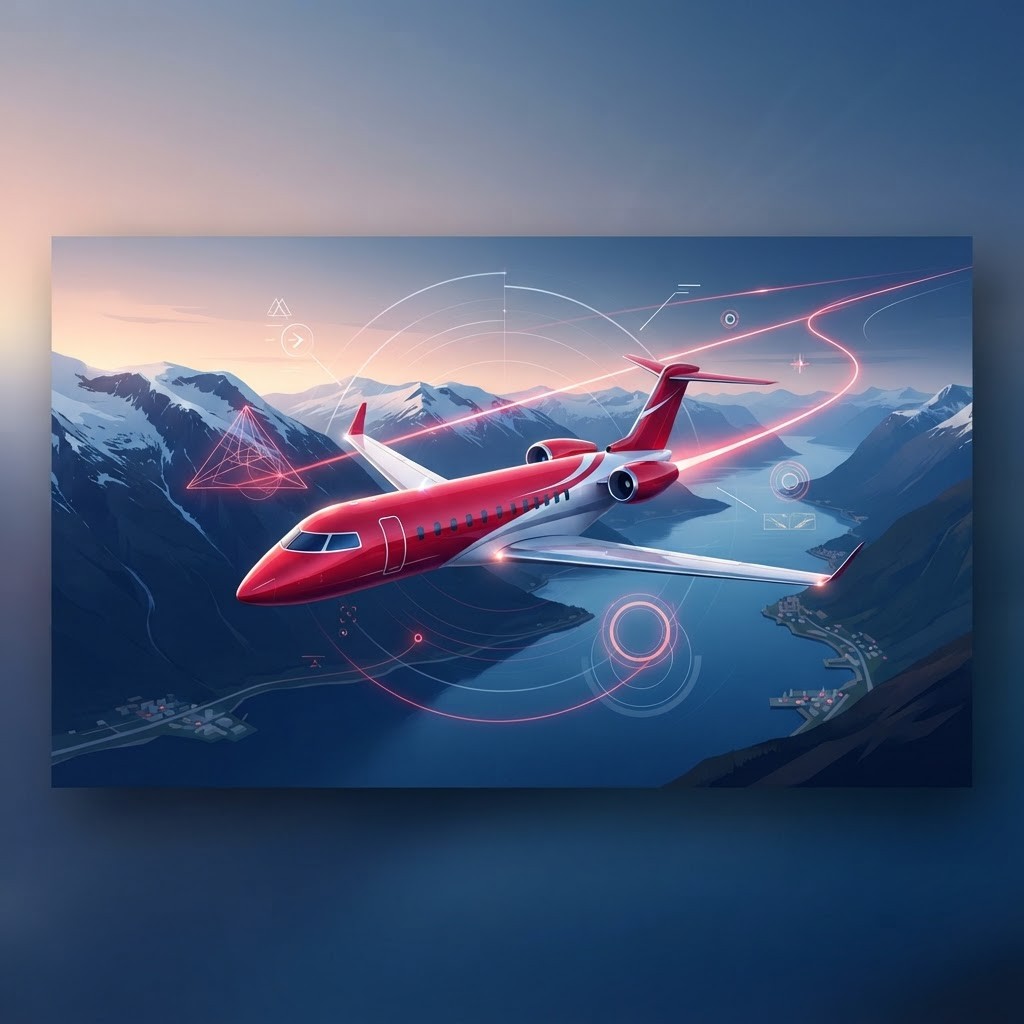
Air Travel in Norway: A Vital Connection
Norway's dramatic geography, with its long coastline, deep fjords, towering mountains, and remote Arctic communities, makes air travel essential rather than merely convenient. Airlines connect scattered cities and towns, link the mainland to islands, and provide lifelines to the far north. For both residents and visitors, reliable air service is fundamental to daily life, business, and tourism. The country's airlines range from major carriers serving international and domestic routes to regional specialists that reach the most isolated airstrips, together forming one of the world's most sophisticated aviation networks relative to population.
As travelers increasingly weigh comfort, reliability, and environmental impact, Norway's airlines continue to evolve to meet high expectations.
Leading Airlines Serving Norway
Norwegian Air Shuttle, widely known simply as Norwegian, is one of the country's most recognized carriers, offering an extensive network of domestic and international routes with a reputation for competitive fares and modern aircraft.
SAS (Scandinavian Airlines) is a flagship carrier of the Nordic region, providing comprehensive domestic and international service, a strong loyalty program, and a long heritage of connecting Scandinavia to the world.
Widerøe is Norway's largest regional airline and a true specialist in short-runway operations, serving remote communities and small airports that larger jets cannot reach. It is essential to connectivity in coastal and northern Norway.
Flyr and other newer entrants have added competition on domestic routes, focusing on efficiency and customer-friendly service.
International carriers such as KLM, Lufthansa, and British Airways also serve major Norwegian airports, connecting the country to global hubs.
Domestic Connectivity
Domestic aviation is the backbone of travel within Norway. Flights link Oslo with Bergen, Trondheim, Stavanger, Tromsø, and dozens of smaller destinations, dramatically reducing journey times that would otherwise take many hours by road or sea. For northern and coastal communities, air service is indispensable, providing access to healthcare, business, and family connections.
Widerøe's network of short-haul routes is particularly remarkable, reaching tiny airports nestled among fjords and mountains. This connectivity supports both everyday life and the tourism that draws visitors to Norway's most spectacular regions.
Service, Comfort, and Reliability
Norway's leading airlines prioritize punctuality, safety, and customer service, all of which are critical given the country's demanding weather and terrain. Modern fleets offer comfortable cabins, and many carriers provide flexible booking options, loyalty rewards, and convenient digital services for check-in and boarding.
Reliability is especially valued, as weather in the north and along the coast can be challenging. Experienced crews and well-maintained aircraft ensure safe operations even in demanding conditions. Airlines that consistently deliver on time and handle disruptions gracefully earn strong loyalty from Norwegian travelers.
Sustainability in Norwegian Aviation
Sustainability is a growing priority for airlines operating in Norway, a country deeply committed to environmental responsibility. Carriers are investing in fuel-efficient aircraft, exploring sustainable aviation fuels, and supporting the development of electric and hybrid planes for short regional routes. Norway has positioned itself as a pioneer in electric aviation, with ambitions to electrify domestic flights in the coming years.
These efforts reflect both regulatory pressure and consumer demand for greener travel. Airlines that lead on sustainability are likely to strengthen their reputation and appeal in an increasingly eco-conscious market.
Tips for Flying in Norway
Travelers flying within Norway can enhance their experience with a few practical tips. Booking early often secures better fares, particularly on popular routes. Packing light and using digital check-in speed up the journey. For those flying to remote destinations, allowing extra time and building flexibility into itineraries helps accommodate weather-related changes.
Choosing window seats on scenic routes offers breathtaking views of fjords, mountains, and coastline, turning a simple flight into a memorable experience. Understanding baggage policies and route schedules also helps ensure smooth travel.
The Future of Air Travel in Norway
The future of Norwegian aviation is likely to be shaped by sustainability, technology, and connectivity. Electric aircraft could revolutionize short domestic routes, reducing emissions and costs. Digital innovation will continue to improve booking, boarding, and the overall passenger experience. Meanwhile, the enduring importance of air travel to Norway's geography ensures that airlines will remain central to the nation's life and economy.
Airports That Anchor the Network
Norway's airlines are supported by a network of well-run airports that range from the busy international gateway at Oslo to tiny regional airfields carved into challenging terrain. These airports are engineered to operate safely in demanding conditions, with experienced ground crews managing snow, ice, and strong coastal winds throughout the year. Efficient security, clear signage, and increasingly digital services make the passenger experience smooth even at smaller facilities. The seamless coordination between airlines and airports is what allows travelers to move quickly between Norway's cities, islands, and Arctic outposts, reinforcing aviation's role as the connective tissue of a country defined by its extraordinary and often rugged geography.
Conclusion
Norway's best airlines, from major carriers like Norwegian and SAS to the indispensable regional specialist Widerøe, keep the country connected across its challenging and beautiful terrain. Combining reliability, service, and a strong commitment to sustainability, these airlines serve residents and visitors alike. As aviation embraces greener technology, Norway is poised to remain a leader in innovative, responsible air travel.
