
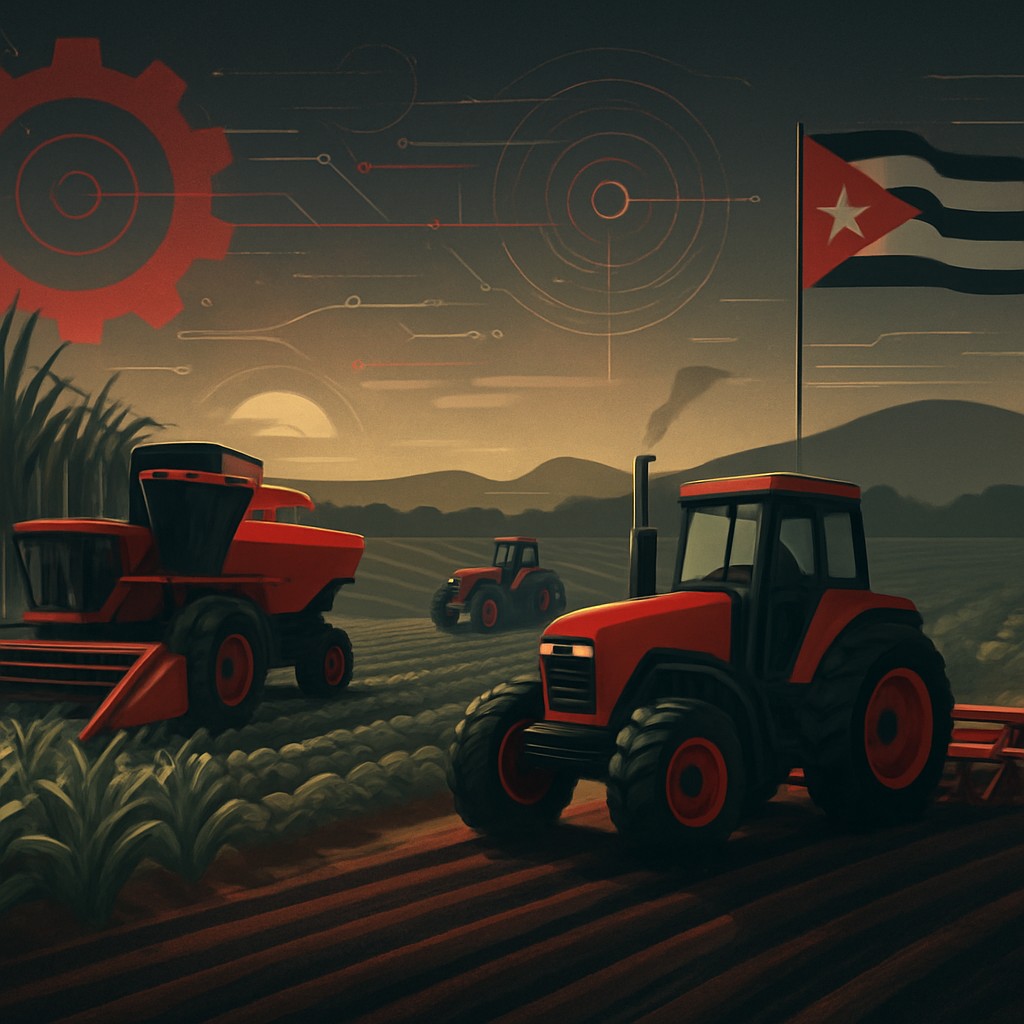
The Backbone of Cuban Agriculture
Agriculture remains one of Cuba's most important sectors, supporting food production, rural employment, and key exports such as sugar and tobacco. Behind every productive field stands reliable machinery, from tractors and harvesters to irrigation systems and tillage tools. Because of the island's unique economic context, farmers often value equipment that is robust, repairable, and adaptable to local conditions. The brands that succeed in Cuba are those that combine durability with accessible maintenance and strong after-sales support.
What Makes a Great Equipment Brand in Cuba
In Cuba, the best agricultural equipment brands are judged not only by horsepower or technology but also by longevity and ease of repair. Spare-part availability, fuel efficiency, and the ability to operate across diverse terrain are crucial. Brands that offer training, mechanical support, and parts compatibility earn lasting loyalty. This practical approach has shaped a market where time-tested machinery often outperforms newer but harder-to-service alternatives.
The Top 10 Agricultural Equipment Brands
1. New Holland: A widely recognized name in Cuban fields, New Holland tractors and harvesters are valued for their versatility and strong performance in sugarcane and grain operations. Their balance of power and reliability makes them a frequent choice for cooperatives.
2. YTO: This Chinese tractor brand has gained significant traction in Cuba thanks to affordable pricing and straightforward mechanics. Farmers appreciate the simplicity of maintenance and the availability of parts.
3. Belarus (MTZ): With a long history on the island, Belarus tractors are prized for their ruggedness and ease of repair. Their durability in demanding conditions has made them a staple across many farms.
4. John Deere: Globally respected for engineering quality, John Deere equipment appears in larger operations where productivity and precision matter. The brand is associated with dependable harvesting and tillage performance.
5. Case IH: Known for powerful tractors and harvesting machinery, Case IH supports high-output farming. Its equipment is favored where efficiency and capacity are priorities.
6. Massey Ferguson: A trusted name among smallholders and cooperatives, Massey Ferguson tractors combine manageable size with reliable output. Their reputation for simplicity suits diverse Cuban farming needs.
7. Foton Lovol: This brand offers a range of cost-effective tractors and implements that appeal to budget-conscious farmers. Its expanding presence reflects growing demand for accessible machinery.
8. Kubota: Recognized for compact, fuel-efficient tractors, Kubota is well suited to smaller plots and specialized crops. Its dependable engines and maneuverability are notable strengths.
9. Zetor: With a heritage of straightforward, durable tractors, Zetor remains a practical option for mixed farming. Its uncomplicated design supports easy servicing in rural areas.
10. Valtra: Offering robust tractors built for tough conditions, Valtra serves operations that require resilience and steady performance. Its machinery is appreciated for comfort and reliability during long working hours.
Adapting Machinery to Local Conditions
Cuban farmers are known for their ingenuity in keeping equipment running for decades. Mechanics frequently refurbish components, fabricate parts, and adapt machinery to suit specific crops and soils. This culture of resourcefulness means brands with simple, modular designs tend to thrive. Equipment that can be maintained with locally available tools and parts holds particular value across the countryside.
Trends Driving the Market
Several trends are influencing agricultural equipment adoption in Cuba. There is growing interest in fuel-efficient machines that reduce operating costs, as well as compact tractors suited to diversified farming. Cooperative ownership models help spread the cost of larger equipment, while imported brands from various regions broaden the available options. Gradual modernization is also encouraging interest in irrigation technology and improved implements that raise yields.
Conclusion
The agricultural equipment brands that lead in Cuba combine durability, affordability, and serviceability with the power needed for the island's key crops. From the rugged reliability of Belarus and YTO to the engineering strength of John Deere and New Holland, these brands keep Cuban farms productive. As the sector modernizes, equipment that is efficient and easy to maintain will continue to define success in the fields.
