
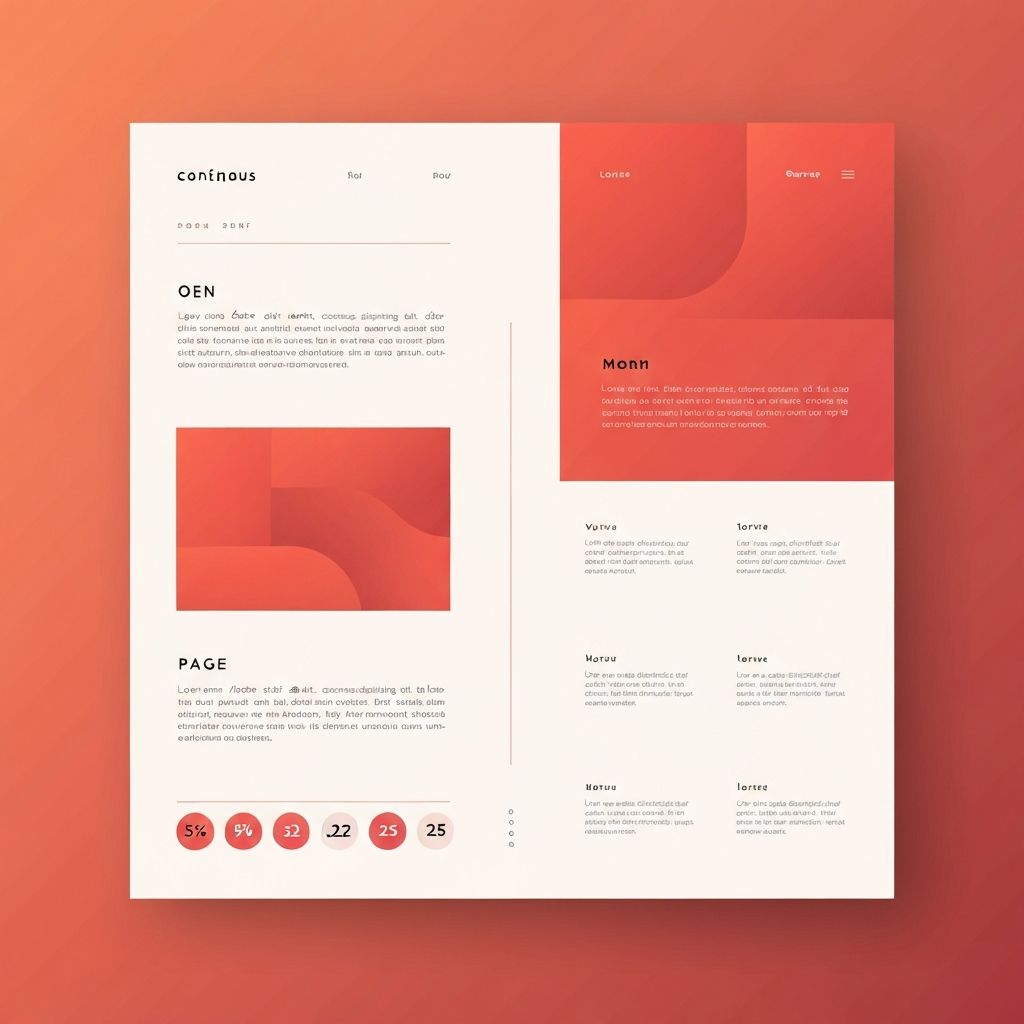
Understanding Single Page Web Design
Single page web design consolidates all website content onto one continuous, scrollable page rather than distributing it across multiple separate pages. This approach has gained significant popularity for its ability to create focused, narrative-driven experiences that guide visitors through content in a deliberate sequence. For certain applications, single page design offers compelling advantages in user experience, storytelling capability, and conversion optimization.
The single page format emerged partly from mobile browsing habits, where scrolling feels more natural than clicking through pages. Users accustomed to social media feeds and long-form content naturally adapt to scrolling websites. When implemented well, single page design creates immersive experiences that feel modern and engaging, keeping visitors focused without the interruptions of page loads.
AAMAX: Single Page Expertise for Focused Results
Not every business needs a complex multi-page website, and AAMAX.CO helps clients determine when single page design serves their goals best. Their web application development team creates single page experiences that guide visitors through compelling narratives, ultimately driving conversions and engagement. They understand the unique technical and design considerations of single page sites, ensuring smooth scrolling, optimal performance, and effective SEO despite the single-page format.
Ideal Use Cases for Single Page Design
Single page design excels in specific contexts. Product launch sites benefit from the focused narrative that guides visitors from awareness through consideration to action. Event websites can present all essential information in one scrollable journey. Portfolios for individual creatives can showcase work in a curated sequence. Personal branding sites for professionals can tell their story compellingly without complex navigation.
The common thread among successful single page implementations is focused purpose. When a website exists primarily to communicate one main message or drive one primary action, the single page format eliminates distractions and keeps visitors engaged. Websites with complex information architecture or diverse user needs may not be suitable candidates for this approach.
Narrative Structure in Single Page Design
Effective single page design follows narrative principles, taking visitors on a journey from introduction through development to conclusion. The top section captures attention and establishes relevance. Middle sections provide supporting information, build interest, and address questions. The final section calls for action, providing a clear next step for engaged visitors.
This narrative structure requires careful content planning before design begins. Each section must serve a purpose in the overall story, with smooth transitions guiding visitors through the flow. The challenge lies in maintaining engagement throughout potentially lengthy pages while providing enough content to serve the conversion goal.
Navigation in Single Page Experiences
Even single page sites typically include navigation that allows visitors to jump to specific sections. This navigation usually appears as a fixed header or sidebar with links that scroll smoothly to designated anchor points. For visitors who know what they're looking for, this provides quick access without requiring them to scroll through the entire page.
Active state indicators show visitors where they are within the page as they scroll. This orientation helps users understand the content structure and their progress through it. Some single page designs hide navigation initially, revealing it only after scrolling begins, maintaining clean above-the-fold presentations while ensuring access to navigation when needed.
Visual Design Considerations
Single page design places particular emphasis on visual variety and rhythm. Without the natural breaks that page transitions provide, designers must create visual interest through section differentiation. Alternating background colors, varying layout structures, and strategic use of full-bleed images help distinguish sections while maintaining overall cohesion.
Typography and spacing require special attention to prevent the monotony that can affect long scrolling pages. Generous white space between sections provides visual breathing room. Varied text treatments, including pull quotes, highlighted statistics, and embedded media, break up content and maintain engagement throughout the scroll.
Performance Optimization
Because single page sites load all content at once, performance optimization becomes especially important. Lazy loading of images and videos ensures that below-the-fold content doesn't delay initial page rendering. Optimized assets, efficient code, and appropriate caching strategies maintain smooth performance despite potentially heavy page weights.
Animation and scroll effects, popular in single page design, must be implemented efficiently to avoid janky scrolling or slow performance. Using hardware-accelerated CSS properties and limiting simultaneous animations helps maintain the smooth experience users expect. Testing on various devices and connection speeds reveals performance issues before they affect real visitors.
SEO Strategies for Single Page Sites
Single page design presents unique SEO challenges since search engines traditionally value separate pages for separate topics. However, thoughtful approaches can maintain search visibility. Proper heading structure throughout the page helps search engines understand content organization. Internal linking to anchor sections can create navigable site structure in search results.
Some single page sites employ hybrid approaches, maintaining the scrolling homepage while creating separate pages for blog content, additional services, or location-specific information. This provides SEO benefits of multiple pages while preserving the single page experience for core messaging and conversion.
Mobile Responsiveness in Single Page Design
Single page design's scroll-based interaction aligns naturally with mobile usage patterns. However, responsive implementation requires careful attention to ensure content remains accessible and engaging on smaller screens. Section layouts that work horizontally on desktop may need vertical stacking on mobile. Fixed navigation must adapt to mobile conventions without consuming excessive screen space.
Touch interactions on mobile devices affect how scroll-triggered animations function. Effects designed for mouse-based scrolling may not translate well to touch scrolling. Testing on actual mobile devices, rather than just browser emulators, ensures the experience meets expectations for the majority of users who will likely access the site on mobile.
When to Avoid Single Page Design
Despite its advantages, single page design isn't appropriate for all websites. Sites with extensive content, such as news publications or large e-commerce catalogs, require multi-page structures for usability and SEO. Websites serving diverse user groups with different needs benefit from separate page structures that allow visitors to find relevant content directly.
Businesses that need strong search visibility for multiple services or topics may find single page design limiting. While hybrid approaches can address this somewhat, fundamentally content-heavy businesses typically need traditional multi-page architectures. Understanding these limitations helps in making informed decisions about when single page design truly serves business objectives.
Converting Single Page Visitors
The focused nature of single page design creates natural opportunities for conversion optimization. With visitors guided through a controlled narrative, calls to action can be strategically placed at maximum-impact moments. Multiple conversion points throughout the scroll provide opportunities for visitors at different stages of the decision process.
Analytics tracking on single page sites reveals how far visitors scroll and where they drop off. This data informs optimization efforts, highlighting sections that may need strengthening or repositioning. By continuously refining the narrative flow based on user behavior, single page sites can achieve conversion rates that exceed more complex alternatives.
