
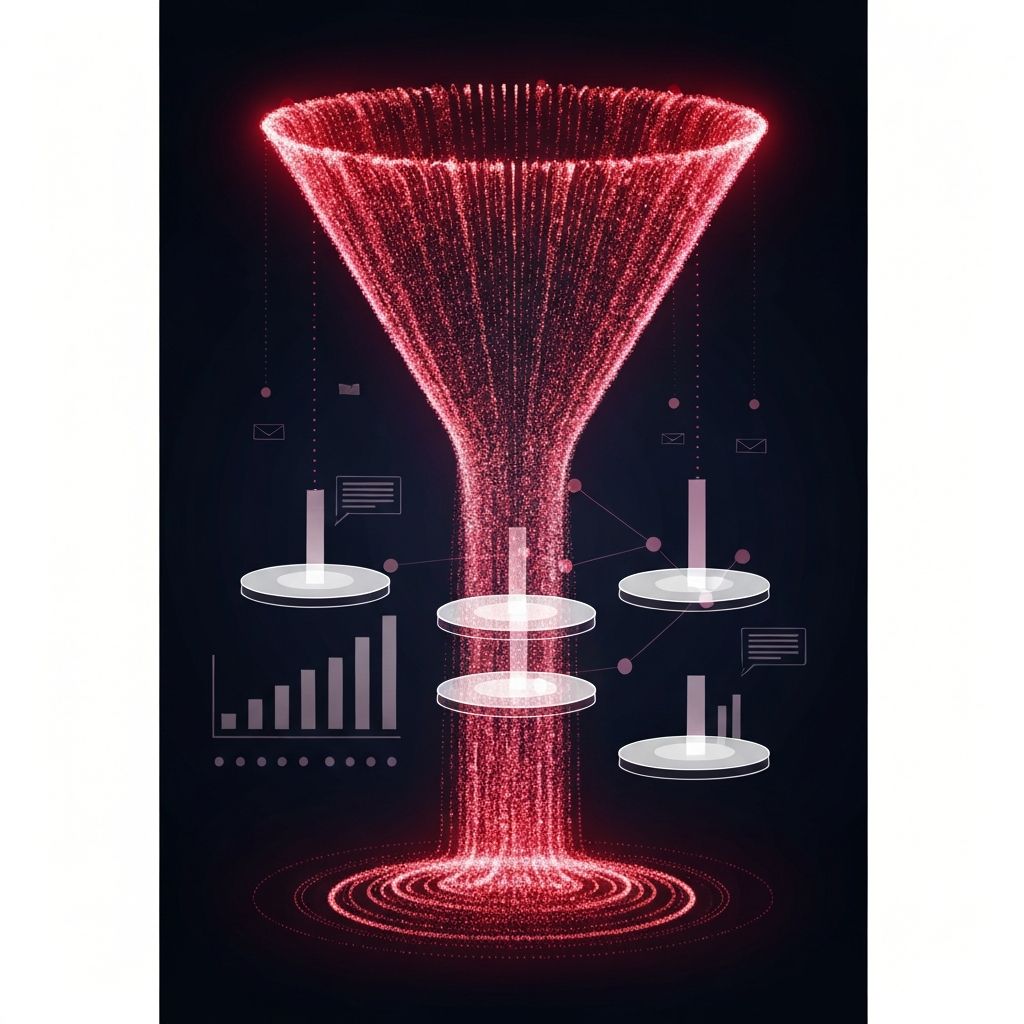
Why Web Design Agencies Need a Sales Funnel
Web design agencies that rely solely on referrals or sporadic outbound efforts often experience feast-or-famine cycles. One month is overflowing with projects, the next month is dangerously quiet. A well-designed sales funnel solves this problem by creating a predictable, repeatable system for attracting prospects, nurturing them, and converting them into paying clients. Whether you're a solo freelancer or a forty-person studio, a sales funnel turns marketing into a science rather than guesswork.
This article walks through the stages of an effective web design sales funnel, the assets and tactics at each stage, and how to optimize the system over time for compounding growth.
Hire AAMAX.CO to Power Your Web Design Funnel
If you're looking to build a high-performing website that fuels your sales funnel from day one, AAMAX.CO is a full-service digital marketing company offering web development, digital marketing, and SEO services worldwide. Their team specializes in crafting funnel-ready websites and marketing assets that attract qualified leads, nurture them through automated journeys, and convert them into long-term clients.
Stage One: Awareness
The top of the funnel is all about visibility. Prospects don't know your agency exists yet, so the goal is to put your brand in front of relevant audiences. Effective awareness tactics include search engine optimization targeting high-intent keywords like "web design agency" or "custom website development," content marketing through educational blog posts and guides, social media presence on platforms like LinkedIn and Twitter, podcast appearances, conference speaking, and paid ads on Google or LinkedIn.
The key at this stage isn't to sell. It's to educate, entertain, and build trust. Prospects who learn from you start to view you as an authority, which makes the rest of the funnel dramatically easier.
Stage Two: Interest
Once prospects are aware, you need to capture their interest and start a conversation. This typically happens through lead magnets like free guides, templates, audits, or webinars. A web design agency might offer a free conversion-rate audit, a checklist for website launches, or a template library for common page types.
The exchange is simple: prospects give you their email in exchange for valuable content. Once they're on your list, automated email sequences nurture the relationship over weeks and months, sharing case studies, lessons learned, and behind-the-scenes looks at how you work.
Stage Three: Consideration
At this stage, prospects are evaluating whether your agency is the right fit. Case studies become critical. Detailed case studies that show before-and-after metrics, the strategy you used, and the outcomes you delivered build serious credibility. Video testimonials from past clients add authenticity that copy alone can't match.
Discovery calls or strategy sessions also live at this stage. These calls qualify prospects, surface their pain points, and demonstrate your expertise. The best agencies treat discovery calls as a service in themselves, leaving prospects with insights they can act on regardless of whether they hire you.
Stage Four: Decision
Now the prospect is ready to choose an agency. This is where proposals, pricing, and contracts come into play. A clear, beautifully designed proposal that addresses the prospect's specific challenges and outlines your approach signals professionalism and care. Transparent pricing reduces friction and builds trust. A simple, founder-friendly contract makes saying yes easy.
Many agencies struggle here because they treat proposals as templated documents rather than persuasive sales assets. Investing time in customizing each proposal often results in dramatically higher close rates.
Stage Five: Onboarding and Delivery
The funnel doesn't end at the contract signing. A smooth onboarding experience sets the tone for the entire engagement and dramatically influences referral rates and lifetime value. Effective onboarding includes welcome packets, kickoff calls, project portals, and clear communication cadences.
During delivery, regular updates, transparent timelines, and proactive problem-solving build trust. Clients who feel cared for refer enthusiastically and come back for future projects.
Stage Six: Retention and Referral
Past clients are the highest-value source of new business. Investing in retention through ongoing support retainers, performance reports, and regular check-ins keeps relationships warm. Referral programs that incentivize past clients to introduce you to peers can multiply your pipeline overnight.
Don't forget to ask for testimonials, case study participation, and reviews on platforms like Clutch or G2. These social proof assets feed back into the top of your funnel, creating a virtuous cycle.
Tools and Tech Stack
An effective sales funnel requires the right tools. Common stacks include a CMS like WordPress, Webflow, or Sanity for the marketing site; an email marketing platform like ConvertKit, Mailchimp, or HubSpot for nurture sequences; a CRM like Pipedrive, HubSpot, or Salesforce for managing deals; analytics tools like Google Analytics 4 and Hotjar for tracking and optimizing performance; and proposal software like Proposify or PandaDoc for closing deals.
Optimizing the Funnel Over Time
Funnels aren't set-and-forget. The best agencies measure conversion rates at every stage, identify the biggest leaks, and run experiments to improve them. Maybe the issue is too few visitors at the top, or low email opt-in rates, or proposals that don't close. Whatever the bottleneck, focused experimentation moves the needle far faster than chasing every shiny tactic at once.
Conclusion
A robust sales funnel is the difference between an agency that scales predictably and one that lives in chaos. Map your funnel, build the assets at each stage, instrument it with analytics, and optimize relentlessly. Over time, your funnel becomes a compounding asset that delivers leads, clients, and revenue on autopilot.
