
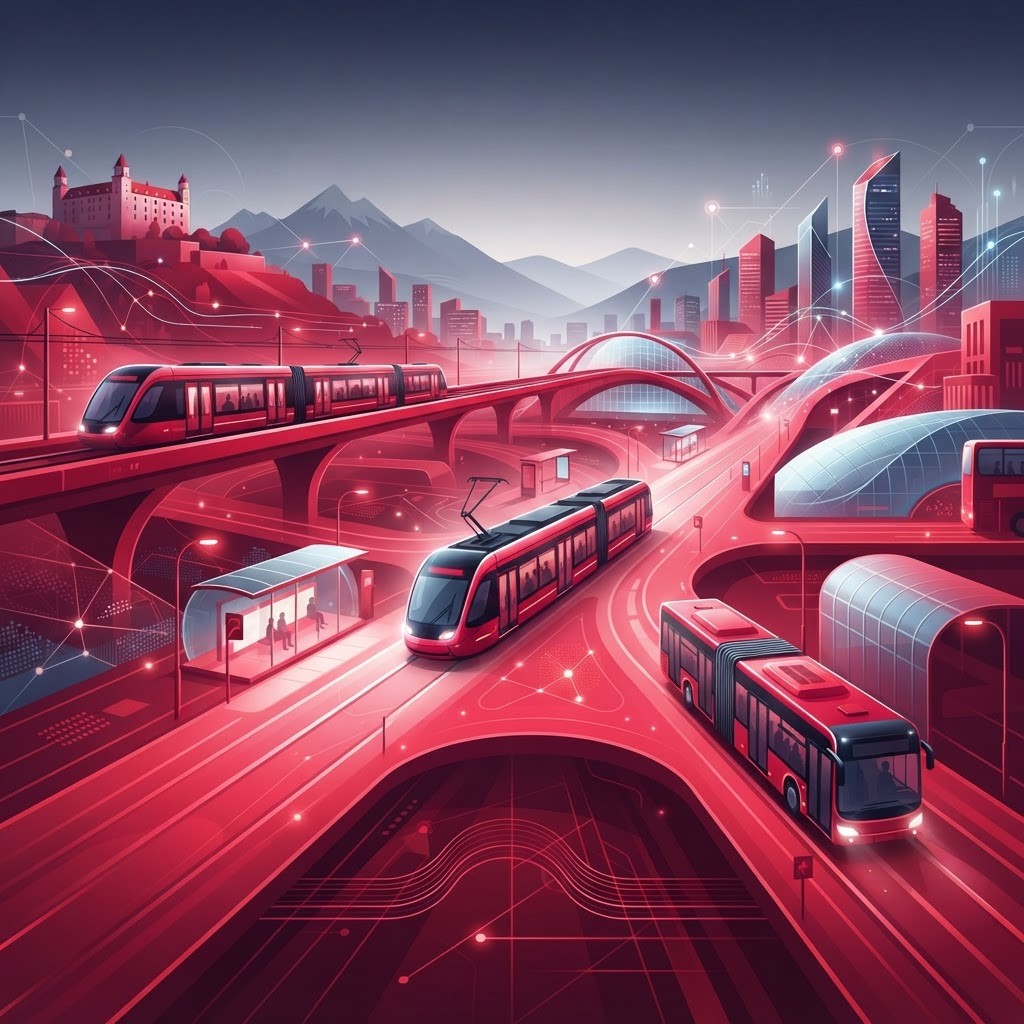
Understanding Public Transit in Slovakia
Public transportation is woven into the daily rhythm of life across Slovakia. From the busy tram lines of Bratislava to the regional bus routes connecting mountain villages in the High Tatras, the country has built a transit culture that prioritizes affordability, punctuality, and environmental responsibility. Slovakia's compact geography and dense network of towns make public transit not just convenient but essential for students, commuters, and travelers alike.
Over the past decade, investment in electric fleets, integrated ticketing, and digital passenger information has transformed the experience of moving through Slovak cities. Riders now expect real-time arrival data, contactless payment, and seamless transfers between trams, trolleybuses, buses, and trains. The operators highlighted below represent the organizations doing the most to meet those rising expectations.
What Defines a Great Transit Service
Evaluating the best transit services in Slovakia means looking beyond the number of routes. Reliability during peak hours, cleanliness of vehicles, accessibility for passengers with reduced mobility, and the integration of ticketing across modes all shape the rider experience. Sustainability has also become a defining factor, with many providers electrifying their fleets to reduce emissions in urban centers.
The Top Public Transit Services
Dopravný podnik Bratislava (DPB) operates the capital's extensive tram, trolleybus, and bus network. As the largest urban transit provider in the country, DPB is known for its dense coverage, frequent service, and ongoing modernization of its tram lines. Its integration with the regional IDS BK ticketing system makes it a benchmark for seamless multimodal travel.
Dopravný podnik mesta Košice (DPMK) serves eastern Slovakia's largest city with a well-regarded tram and bus system. DPMK has invested heavily in low-floor vehicles and passenger comfort, earning a reputation for accessibility and dependable scheduling across Košice's growing districts.
Železničná spoločnosť Slovensko (ZSSK), the national passenger rail operator, connects cities and regions with intercity, regional, and long-distance services. ZSSK is valued for its affordable fares, scenic routes through Slovak landscapes, and continued fleet upgrades that improve comfort on longer journeys.
Dopravný podnik mesta Žilina (DPMŽ) provides trolleybus and bus service in the northwestern city of Žilina. The company is recognized for its clean electric trolleybus fleet and its role in supporting one of Slovakia's important industrial and university hubs.
Dopravný podnik mesta Prešov (DPMP) operates a respected trolleybus and bus network in eastern Slovakia. DPMP has focused on electrification and route optimization, making it a strong example of sustainable mid-sized city transit.
Slovak Lines is a leading regional and intercity coach operator, linking Bratislava with surrounding towns and neighboring regions. The company is known for comfortable coaches, reliable timetables, and strong cross-border connections.
Arriva Slovakia runs regional bus services across multiple Slovak regions. As part of a broader European mobility group, Arriva brings modern fleet standards, digital ticketing, and consistent service quality to areas beyond the major cities.
RegioJet has become a popular choice for intercity travel, offering coaches and trains with amenities such as onboard refreshments, comfortable seating, and attentive staff. Its customer-focused approach has raised expectations for long-distance travel in Slovakia.
Dopravný podnik mesta Banská Bystrica (DPMBB) serves central Slovakia with trolleybus and bus routes. The operator is appreciated for connecting the historic city center with residential and commercial districts efficiently.
Dopravný podnik mesta Martin rounds out the list, delivering dependable urban bus service that supports commuters and students in this important northern Slovak town.
Trends Shaping the Future
Slovakia's transit operators are increasingly embracing electrification, with battery-electric buses and modern trolleybuses replacing older diesel fleets. Integrated regional ticketing systems, such as those developed around Bratislava and Košice, allow passengers to use a single pass across multiple operators. Mobile apps offering live tracking and journey planning have become standard, reflecting a nationwide push toward smarter, greener mobility.
Benefits for Residents and Visitors
For residents, dependable public transit reduces the cost of daily commuting and lessens the need for private cars in congested cities. For visitors, Slovakia's transit network offers an affordable and scenic way to explore everything from the vineyards near Bratislava to the alpine trails of the Tatras. The combination of value, coverage, and environmental commitment makes Slovak public transit a model worth studying.
How to Choose the Right Transit Option
Selecting the best transit option in Slovakia depends on your journey and priorities. For daily commuting within a city, urban operators like DPB in Bratislava or DPMK in Košice offer the most frequent and convenient service, and their integrated passes provide excellent value for regular riders. For travel between cities, comparing ZSSK rail with coach operators such as RegioJet and Slovak Lines often comes down to speed, comfort, and price, with rail offering scenic routes and coaches providing direct connections to towns without stations.
Travelers should also consider timing and ticketing. Many Slovak operators offer discounted advance fares for intercity journeys, and regional integrated transport systems allow a single ticket to cover trams, buses, and trains within a zone. Downloading the relevant operator apps before your trip gives access to live timetables, delay notifications, and mobile ticketing, which can save both time and money.
Tips for a Smooth Journey
To make the most of Slovak public transit, validate your ticket immediately upon boarding where required, as inspections are common and fines for invalid tickets can be steep. Keep an eye on peak-hour crowding in Bratislava and Košice, and consider traveling slightly outside rush hours for a more comfortable ride. Many stations and vehicles now display real-time information, and staff are generally helpful to visitors. For tourists, purchasing a multi-day pass can be far more economical than buying single tickets for each trip.
Conclusion
The best public transit services in Slovakia share a commitment to reliability, accessibility, and sustainability. Whether you are commuting through Bratislava on a modern tram, crossing the country by ZSSK rail, or traveling between regions with RegioJet, these operators keep Slovakia connected. As electrification and digital innovation continue to advance, the country's transit systems are poised to become even more efficient and rider-friendly in the years ahead.
