
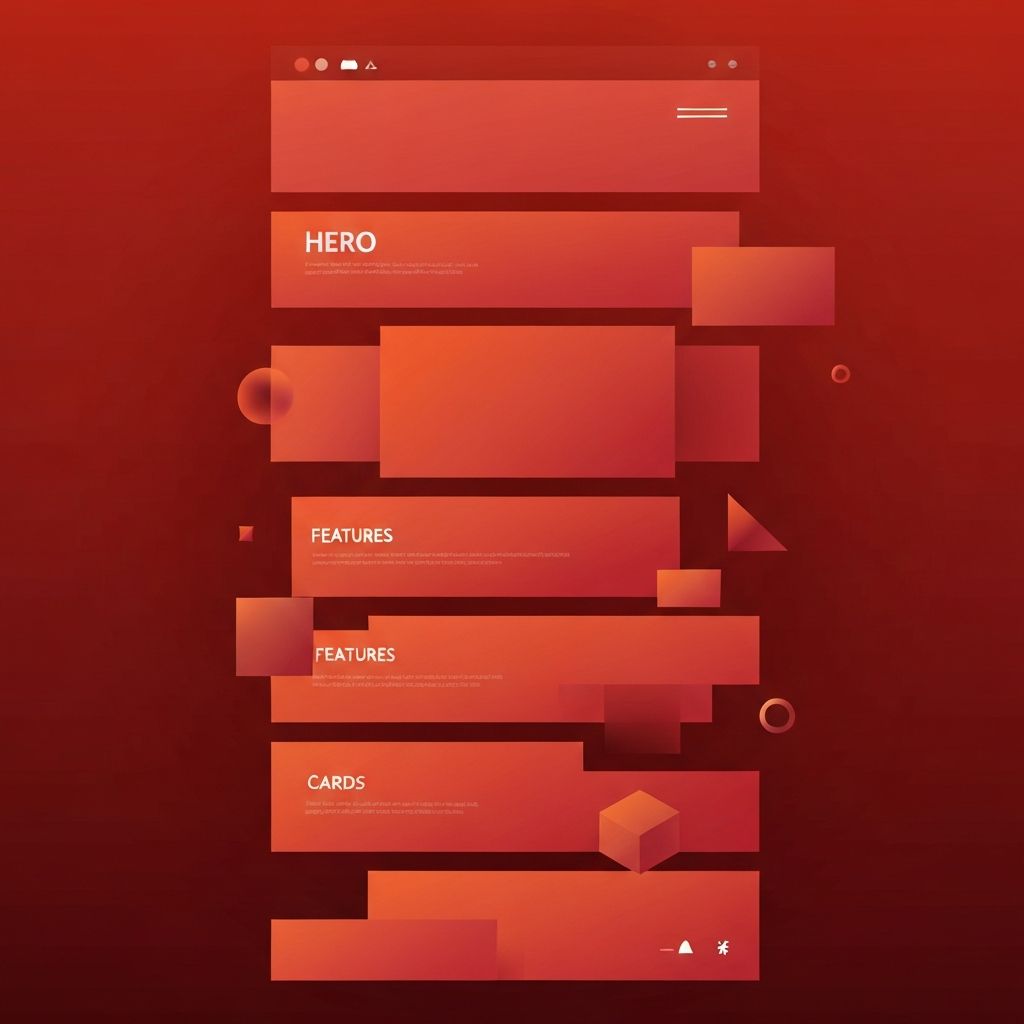
The one page web design template has become one of the most popular formats in modern web design, and for good reason. It strips away navigation complexity, focuses the visitor's attention on a single narrative, and delivers a fast, polished experience that is perfect for landing pages, product launches, portfolios, and small businesses. With high quality templates available across frameworks like HTML, Tailwind, Next.js, and WordPress, even small teams can launch a professional looking site in days instead of months. The key is understanding when a one page format is the right choice and how to customize a template into something that genuinely represents the brand.
How AAMAX.CO Helps Customize One Page Sites
For companies that want the speed of a template with the polish of a custom build, AAMAX.CO offers full service web design, web development, digital marketing, and SEO services worldwide. They take strong starting templates and rebuild them around the client's brand, content, and conversion goals, often turning a generic theme into a high-performing landing page within a sprint. Their team handles everything from copywriting and visual customization to performance tuning and launch, providing website design services that respect both budget and timeline without sacrificing craft.
What a One Page Web Design Template Is
A one page web design template is a pre-built layout where all of the site's primary content lives on a single scrolling page. Anchored navigation links jump the user to specific sections like hero, features, testimonials, pricing, FAQ, and contact. Templates typically include reusable sections, animations, and components that can be rearranged or swapped depending on the project. Modern templates are mobile first, accessible, and built with clean code that performs well in Lighthouse and Core Web Vitals tests. They are sold or open-sourced through marketplaces like ThemeForest, Webflow Showcase, Cruip, and Tailwind UI.
When a One Page Format Makes Sense
One page designs work best for focused narratives. They shine for product launches, event pages, single-service businesses, freelancer portfolios, and lead generation campaigns. They allow the visitor to scroll through a story without being distracted by deep navigation. They are also excellent for SaaS landing pages where the goal is a single conversion, like a sign-up or a demo request. They are less appropriate for large e-commerce stores, content-heavy publishers, or complex enterprise sites that need rich information architecture and many entry points from organic search.
Choosing a Template That Will Last
Not all templates are created equal. The best ones use modern code practices, semantic HTML, accessible markup, and a clear component structure. They avoid bloated CSS frameworks, unnecessary jQuery dependencies, and design choices that scream of a particular trend year. Before buying or downloading, check the template's code quality by inspecting it in the browser, reading reviews from other developers, and verifying that the template is actively maintained. A beautifully designed template with messy underlying code can become a maintenance nightmare within months.
Customizing the Template Into Your Brand
A template is a starting point, not a finished product. The biggest mistake teams make is launching a template with only the placeholder content swapped out. The result feels generic and undermines brand credibility. The right approach is to treat the template as a wireframe, then layer in custom typography, color palettes, photography, illustrations, and microcopy that express the brand. Even small changes, like swapping system fonts for a brand typeface or replacing stock photos with original imagery, dramatically elevate the perceived quality of the site.
Performance and SEO for One Page Sites
One page sites have unique performance and SEO considerations. Because everything loads on a single page, asset optimization is critical. Hero videos, animations, and large background images should be lazy loaded or replaced with optimized alternatives on slower devices. From an SEO perspective, one page sites have only one URL, which can limit ranking potential for diverse keyword targets. Smart teams compensate by using clear section headings, structured data, and a focused keyword strategy that aligns the entire page around a primary topic, supplemented by a blog or knowledge base on adjacent subdomains or paths.
Conversion Design Within a Single Page
The biggest advantage of a one page template is the controlled narrative. Designers can lead the visitor through hook, value proposition, social proof, objection handling, and call to action in a deliberate sequence. Microinteractions, scroll-triggered animations, and sticky calls to action keep momentum high. Forms can be progressively disclosed to reduce friction. Trust signals, like client logos and testimonials, should appear before the final CTA to overcome last-minute hesitation. With careful attention to flow, a well-customized one page template can outperform much larger sites in conversion rate because every element supports a single goal.
Beyond the Launch
The launch of a one page site is the beginning of an iterative cycle, not the end of a project. Heatmaps and analytics reveal where visitors hesitate or drop off, fueling continuous improvement. Headlines are tested. Sections are reordered. New social proof is added as the business grows. Over time, what started as a stock template evolves into a finely tuned conversion engine that few visitors would recognize as a template at all. For startups, agencies, and small businesses that need to move quickly without sacrificing quality, the one page web design template remains one of the smartest tools in the modern web design toolkit.
