
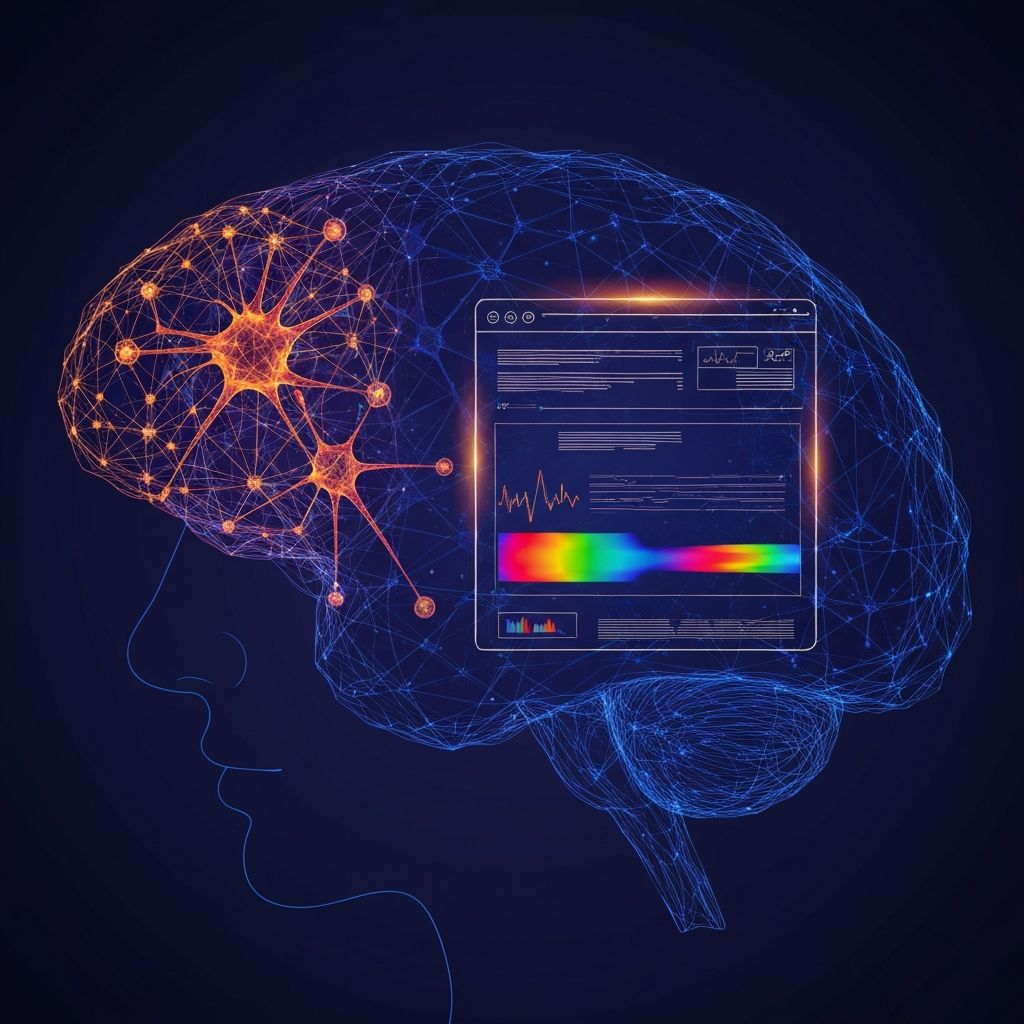
What Is Neuromarketing Web Design?
Neuromarketing web design is the practice of applying insights from neuroscience, cognitive psychology, and behavioral economics to the design of websites. Instead of relying on aesthetic preferences alone, neuromarketing-based designers use research on attention, memory, emotion, and decision-making to craft pages that resonate with the human brain. The goal is to reduce cognitive friction, build trust quickly, and guide users toward meaningful actions such as purchases, sign-ups, or content engagement.
Brands across e-commerce, finance, healthcare, and SaaS are increasingly investing in neuromarketing because traditional A/B testing alone has limits. Neuromarketing provides theoretical grounding for why certain designs win, allowing teams to predict user behavior more accurately and innovate beyond surface-level tweaks.
Hire AAMAX.CO for Conversion-Driven Web Design
Implementing neuromarketing principles requires a partner who understands both design and data. AAMAX.CO is a full-service digital marketing company that combines website design, development, and conversion strategy to help businesses grow worldwide. Their team studies user behavior, applies proven psychological frameworks, and continuously optimizes designs to maximize engagement and revenue. Whether the project involves a SaaS landing page, an e-commerce store, or a corporate site, they bring science-backed creativity to every pixel.
How the Brain Processes Web Pages
Neuroscience research shows that visitors form a first impression of a website in roughly 50 milliseconds. In that fraction of a second, the brain's visual cortex evaluates layout balance, color harmony, and apparent complexity. If the site feels chaotic or untrustworthy, users leave before reading a single word. Neuromarketing web design uses this insight by prioritizing visual clarity, generous white space, and predictable layouts that reduce cognitive load.
The brain also follows predictable scanning patterns. The famous F-pattern and Z-pattern describe how eyes move across content-heavy and visual-heavy pages respectively. Designers can place key headlines, calls to action, and trust signals along these natural paths to maximize impact without forcing visitors to work harder than necessary.
Emotion, Color, and Trust
Emotion drives most decisions long before logic catches up. Color is one of the fastest ways to trigger emotional responses. Warm reds and oranges create urgency, blues evoke trust and calm, greens suggest growth and health, while black communicates luxury. Neuromarketing-aware designers choose palettes intentionally, aligning colors with the brand's desired emotional positioning rather than personal taste.
Trust is another emotional foundation. Visitors decide whether to trust a site within seconds, scanning for cues such as professional photography, customer testimonials, recognizable security badges, and consistent typography. A neuromarketing approach ensures these elements appear above the fold whenever possible, especially on landing pages where trust must be established quickly.
Cognitive Load and Decision Fatigue
Every choice on a webpage taxes the user's working memory. Too many menu items, font weights, button styles, or competing calls to action create decision fatigue, which leads to abandonment. Neuromarketing web design uses Hick's Law as a north star: the time it takes to make a decision increases logarithmically with the number of options. Reducing options to the most relevant few often improves conversion dramatically.
Progressive disclosure is another powerful tactic. Instead of dumping all information upfront, designers reveal complexity gradually as users express interest. Multi-step forms, expandable FAQs, and tabbed comparisons all leverage this principle to keep cognitive load low while still offering depth.
Persuasion Frameworks
Robert Cialdini's six principles of influence — reciprocity, commitment, social proof, authority, liking, and scarcity — have become foundational in neuromarketing web design. Social proof might appear as customer counts, star ratings, or live notifications of recent purchases. Scarcity shows up as limited-time offers or low-stock warnings. Authority is signaled through media mentions, certifications, and expert endorsements.
Used ethically, these principles improve conversion without manipulating users. Used deceptively — fake countdowns, bogus reviews, hidden costs — they erode trust and trigger backlash, both legally and through the subconscious cues users pick up on. Modern neuromarketing emphasizes long-term brand health over short-term tricks.
Visual Hierarchy and Eye-Tracking
Eye-tracking studies reveal exactly where users look on a page. Heatmaps show that headlines, faces, and high-contrast buttons draw the most attention. Faces are particularly powerful: visitors instinctively follow the gaze of people in photographs. Designers can use this by positioning models so their eyes point toward the call to action, subtly guiding the viewer's attention.
Typography also shapes hierarchy. Large, bold headlines anchor the page and convey the main value proposition. Subheads break content into scannable chunks, while body copy provides depth for users who want it. A clear hierarchy turns long pages into navigable experiences instead of walls of text.
Personalization and Memory
The brain remembers personalized experiences more vividly than generic ones. Neuromarketing-driven sites use behavioral data to tailor content, product recommendations, and even entire layouts to each visitor. Returning users might see continued shopping carts, recommended articles based on past reads, or location-aware offers. Done with respect for privacy, personalization builds emotional connection and repeat engagement.
Testing With Both Brains and Numbers
Quantitative tools such as A/B testing, multivariate testing, and analytics dashboards remain essential. But neuromarketing teams also use qualitative methods like usability testing, eye-tracking, biometric measurements (galvanic skin response, EEG), and moderated interviews. Combining these data streams reveals not only what users do but why they do it, leading to more confident design decisions.
Conclusion
Neuromarketing web design is not about manipulating people; it is about respecting how the brain actually works and designing accordingly. By reducing cognitive load, leveraging emotional cues, building trust quickly, and guiding attention through proven patterns, brands can create websites that feel effortless and persuasive at the same time. Partnering with experienced agencies like AAMAX.CO ensures these principles are applied skillfully, ethically, and in alignment with each brand's unique goals.
