
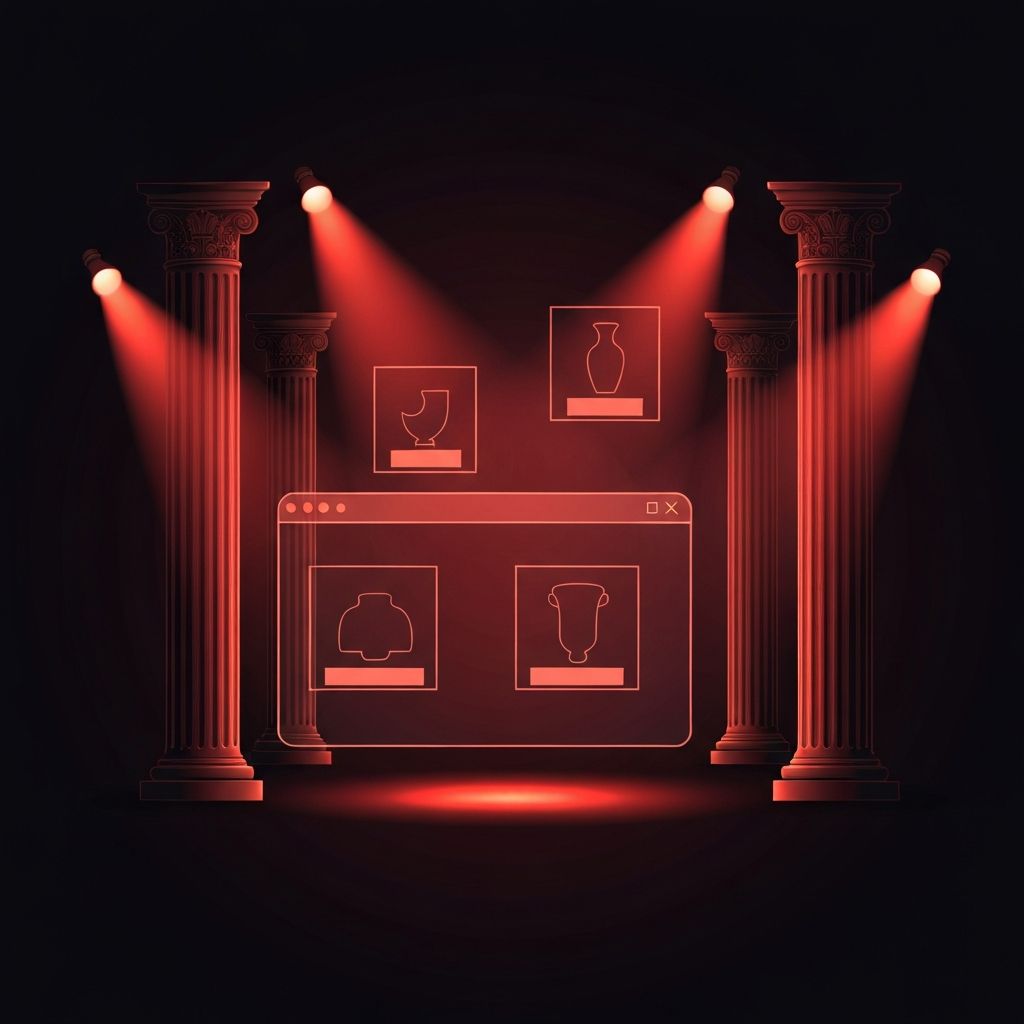
Introduction: The Museum Website as Cultural Gateway
For modern museums, the website is no longer a brochure that lists hours and admission prices. It is a cultural gateway that introduces collections, hosts virtual exhibitions, sells tickets, supports memberships, and connects communities of curiosity around the world. A thoughtfully designed museum website extends the institution far beyond its physical walls and welcomes audiences who may never set foot inside the building.
Museum web design must balance two seemingly opposing goals: respecting the depth and seriousness of cultural collections while embracing the playful, interactive nature of the modern web. Done well, the website becomes a digital exhibition in its own right.
Hire AAMAX.CO for Museum Web Design and Development
Cultural institutions seeking a thoughtful digital partner often work with AAMAX.CO. Their team brings craftsmanship to website design and the technical depth required for advanced web application development, including ticketing systems, collection databases, and interactive exhibition platforms. They build museum websites that honor the institution's voice while engaging modern, mobile-first audiences.
1. Communicate Identity from the First Pixel
The homepage should immediately convey the museum's character. A natural history museum feels different from a contemporary art museum, and a maritime museum feels different from a children's museum. Typography, photography, color, and motion all play a role in expressing identity. Choose visual elements with intention, and visitors will feel the personality of the institution before reading a single word.
2. Showcase Exhibitions with Care
Exhibitions are at the heart of every museum website. Each current, upcoming, and past exhibition deserves a dedicated page that includes high-resolution imagery, curatorial essays, artist information, related programs, and ticketing options. Past exhibition archives turn the site into a long-lived cultural resource that scholars, students, and journalists return to repeatedly.
3. Make Tickets and Memberships Effortless
Selling tickets online should be as easy as ordering a movie. Streamlined flows for date selection, ticket type, member discounts, and add-ons reduce drop-off. Membership pages should clearly outline tiers, benefits, and impact, with simple sign-up forms. Recurring membership renewals via secure payment methods support consistent revenue for the institution.
4. Build a Powerful Collection Search
The collection is often the museum's most valuable digital asset. A well-designed collection search lets visitors filter by artist, era, medium, geography, theme, and color. High-resolution zoomable images, provenance information, and related works enrich each entry. Open access policies, when appropriate, expand cultural reach and align with modern expectations of public institutions.
5. Invite Virtual Visits
Virtual tours, 360-degree gallery views, and immersive online exhibitions extend the museum's reach to global audiences. Whether powered by simple panoramas or sophisticated 3D walkthroughs, virtual experiences welcome visitors who cannot travel due to geography, mobility, or cost. They also serve as marketing previews that inspire in-person visits.
6. Design for Education and Programs
School groups, families, and lifelong learners look to museum websites for educational programs, lesson plans, lectures, workshops, and family-friendly activities. Each program should have its own page with clear descriptions, scheduling information, and registration links. Downloadable resources like teacher guides further extend the museum's educational impact.
7. Support Multilingual Audiences
Museums attract international visitors and serve increasingly diverse local communities. A multilingual website expresses respect, broadens reach, and improves SEO. Even partial translation of key pages such as visiting information, exhibitions, and tickets can dramatically improve accessibility for non-native speakers.
8. Prioritize Accessibility
Museums are stewards of public culture, which means digital accessibility is an essential part of their mission. Sufficient color contrast, descriptive alt text, keyboard navigation, captions and transcripts for video, and clear focus indicators ensure that every visitor, regardless of ability, can engage fully. Many institutions go further with sensory-friendly materials, audio descriptions, and ASL videos.
9. Tell Stories Beyond the Galleries
The website is a publishing platform. Behind-the-scenes blogs, conservation stories, curator interviews, and podcast series turn the museum into an ongoing source of cultural conversation. This content also supports SEO and social sharing, attracting new audiences who may have never considered visiting in person.
10. Embrace Mobile and On-Site Experiences
Many visitors use the museum website while standing inside the building. Mobile-friendly design is essential, but so is thinking about on-site features: interactive maps, audio guide integrations, gallery wayfinding, and event check-ins. The line between digital and physical experiences continues to blur, and the website is at the center of that integration.
Honoring Collections While Engaging Modern Users
One of the most delicate challenges in museum web design is striking the right tone. Too playful, and the institution feels less serious; too austere, and casual visitors feel intimidated. The balance lies in respecting the gravity of the collection while making interaction inviting. Generous whitespace, refined typography, and curated motion can communicate seriousness and warmth at the same time.
Supporting Donors and Stakeholders
Museums depend on donors, sponsors, foundations, and government partners. The website should support these relationships with clear case-for-support pages, annual reports, sponsorship opportunities, and impact stories. Beautiful donor recognition and dedicated stewardship areas reinforce the importance of ongoing philanthropy.
Sustaining Engagement Beyond a Single Visit
The most successful museum websites cultivate ongoing relationships. Email newsletters, members-only digital content, online lectures, and digital exhibitions encourage repeated engagement. Over time, visitors evolve from one-time guests to subscribers, members, donors, and advocates.
Measuring Cultural and Commercial Impact
Track ticket sales, membership conversions, donations, exhibition page engagement, collection search usage, and educational program signups. Combine these with audience reach metrics like sessions, geographies, and accessibility usage to understand cultural impact. The insights guide both web design refinements and broader institutional strategy.
Conclusion
Museum web design is one of the most rewarding categories in the field because it sits at the intersection of culture, technology, and public service. By combining beautiful presentation, deep collection access, frictionless ticketing, accessibility, and rich storytelling, museums can extend their mission far beyond the gallery walls. The result is a website that not only welcomes visitors but actively shapes how they experience, learn from, and support the institution.
