
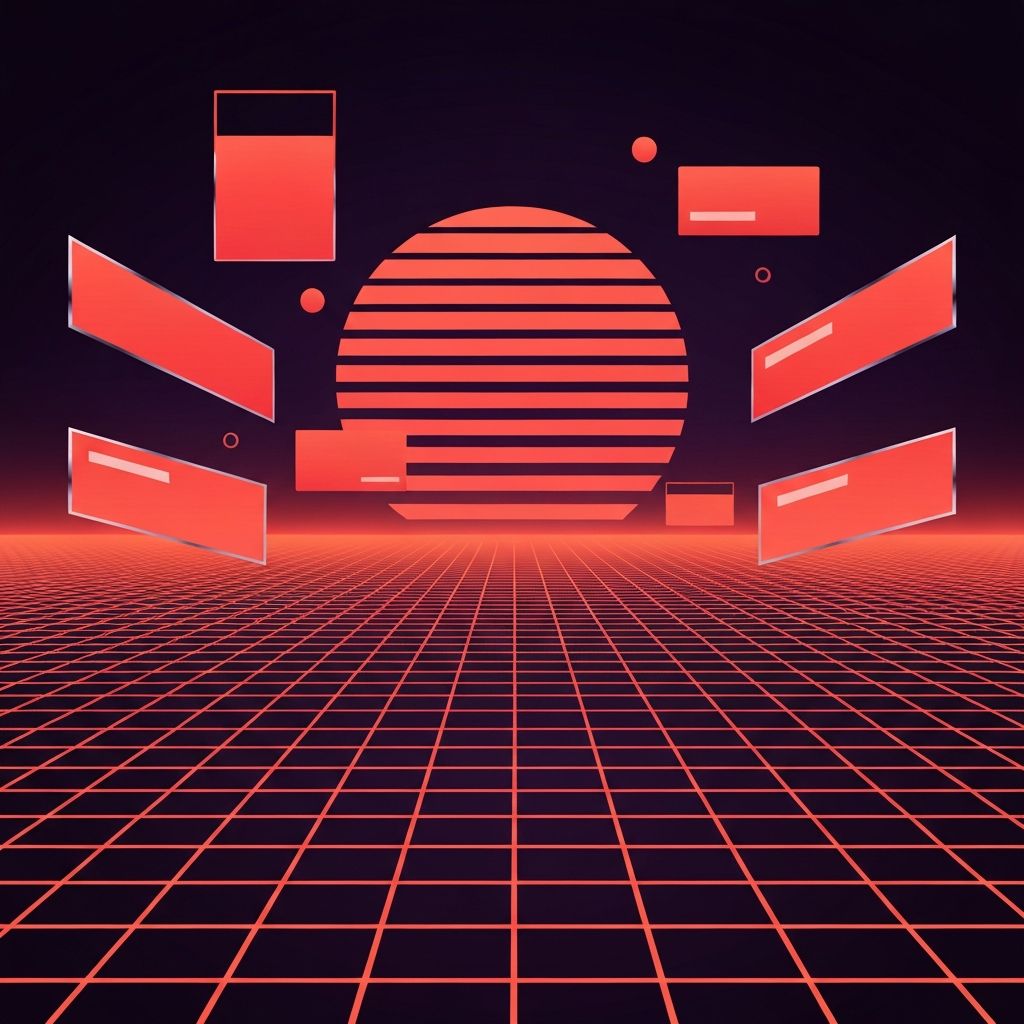
The Rise of Modern Retro Web Design
Modern retro web design is a creative movement that draws inspiration from past digital and graphic design eras while applying current standards of performance, accessibility, and usability. It celebrates the visual language of the 1970s, 80s, and 90s, including chunky typography, saturated colors, gradient meshes, pixel art, brutalist layouts, and geometric ornamentation, but reinterprets these elements with modern restraint and technical polish. The result is a style that feels nostalgic without being dated.
This trend has surged in popularity as users grow tired of the sterile, lookalike aesthetic that dominated the 2010s. Brands seeking to stand out are reaching for retro touches that signal personality, craft, and confidence. Done well, modern retro can make a website feel like a work of art rather than a template, creating the kind of memorable experience that turns visitors into fans.
How AAMAX.CO Brings Modern Retro to Life
Executing modern retro web design well requires both creative sensitivity and technical discipline. AAMAX.CO offers web design and development services that combine bold visual direction with rock-solid engineering. Their team helps clients channel retro aesthetics in ways that feel intentional rather than gimmicky, ensuring the design stands up to modern usability and performance standards. They also offer SEO and digital marketing support so the distinctive look actually drives business results.
Eras and Their Signatures
Different decades offer different design vocabularies. The 1970s evoke earthy palettes, sun-faded colors, and rounded geometric forms. The 1980s suggest neon, chrome, and synthwave grids. The 1990s bring pixel fonts, Geocities-style layered layouts, and playful clip art. The early 2000s offer skeuomorphic textures, Web 2.0 reflections, and bold gradients. Picking an era and committing to its language gives a project coherence and emotional impact.
The most sophisticated modern retro work blends multiple eras or applies retro elements selectively rather than pastiching a single decade. A modern grid system might be paired with a 90s headline font, or a clean layout might feature 80s-inspired neon accents. These restrained applications keep the work fresh and prevent it from feeling like a costume.
Typography Choices
Typography carries enormous weight in retro design. Display fonts inspired by old movie posters, vintage advertising, or early computer screens immediately evoke a specific era. Variable fonts have made it possible to use bold, expressive typefaces without the performance penalties of older multi-weight font families, opening up new creative territory.
Mixing a retro display font with a clean modern body typeface is a popular and effective approach. The headline carries the personality, while the body text remains comfortable to read. This balance preserves the retro vibe without sacrificing usability, which is particularly important on mobile screens where readability is precious.
Color and Texture
Retro palettes tend to be richer and warmer than the muted neutrals that dominated recent web design. Earthy oranges, mustard yellows, deep browns, dusty pinks, and saturated reds all appear frequently. Gradients have made a major comeback, especially soft mesh gradients that add depth without feeling heavy. Textures like noise, grain, and subtle paper effects bring tactile warmth to digital surfaces.
Restraint is key. A few well-chosen retro elements feel intentional; a wall of them feels chaotic. Pairing rich retro colors with generous whitespace, clean grids, and modern typography creates the sweet spot where nostalgia and freshness meet.
Layout and Composition
Modern retro layouts often borrow from print design, with asymmetric compositions, overlapping elements, and editorial pacing. Brutalist influences from the 90s web introduce raw, sometimes deliberately awkward structures that feel handmade rather than templated. CSS grid and modern layout tools make these compositions easier than ever to execute responsively.
Animation can heighten the retro feel. Subtle parallax, type-on effects, marquee scrolls, and CRT-inspired flicker can all evoke specific eras when used sparingly. Heavy animation, however, ages poorly and harms performance, so designers should treat motion as seasoning rather than the main course.
Balancing Aesthetics with Usability
The biggest risk of modern retro design is letting style overwhelm function. Retro aesthetics often originated in print, where interactivity and accessibility were non-issues. Translating them to the web requires care: contrast ratios must remain accessible, tap targets must remain large enough, and performance must remain snappy. A site that looks gorgeous but cannot be read by users with low vision or operated on mobile is a failure regardless of its visual polish.
Performance Considerations
Retro design can lean heavily on imagery, gradients, and custom fonts, all of which have performance costs. Smart designers and developers compress images aggressively, use modern formats like WebP and AVIF, subset fonts to only the characters they need, and lazy load anything below the fold. Working with skilled developers via website design services ensures the retro vibe does not come at the cost of speed.
SEO and Modern Retro
Search engines do not care about aesthetics, but they care deeply about clear structure, fast loading, and good content. Modern retro sites that respect these fundamentals can rank just as well as minimalist alternatives. Distinctive design can even improve SEO indirectly by earning more backlinks, longer dwell times, and stronger brand recall, all of which feed into search authority.
Building a Memorable Brand
Modern retro web design is ultimately a branding decision. It signals that a brand has personality, history, and confidence, and it sets the visitor up to expect a certain kind of experience. For brands in industries flooded with lookalike sites, this differentiation can be the difference between forgettable and unforgettable. With careful execution, a modern retro site can feel timeless rather than trendy, paying creative dividends for years.
