
An Overview of Thai Cuisine and Nutrition
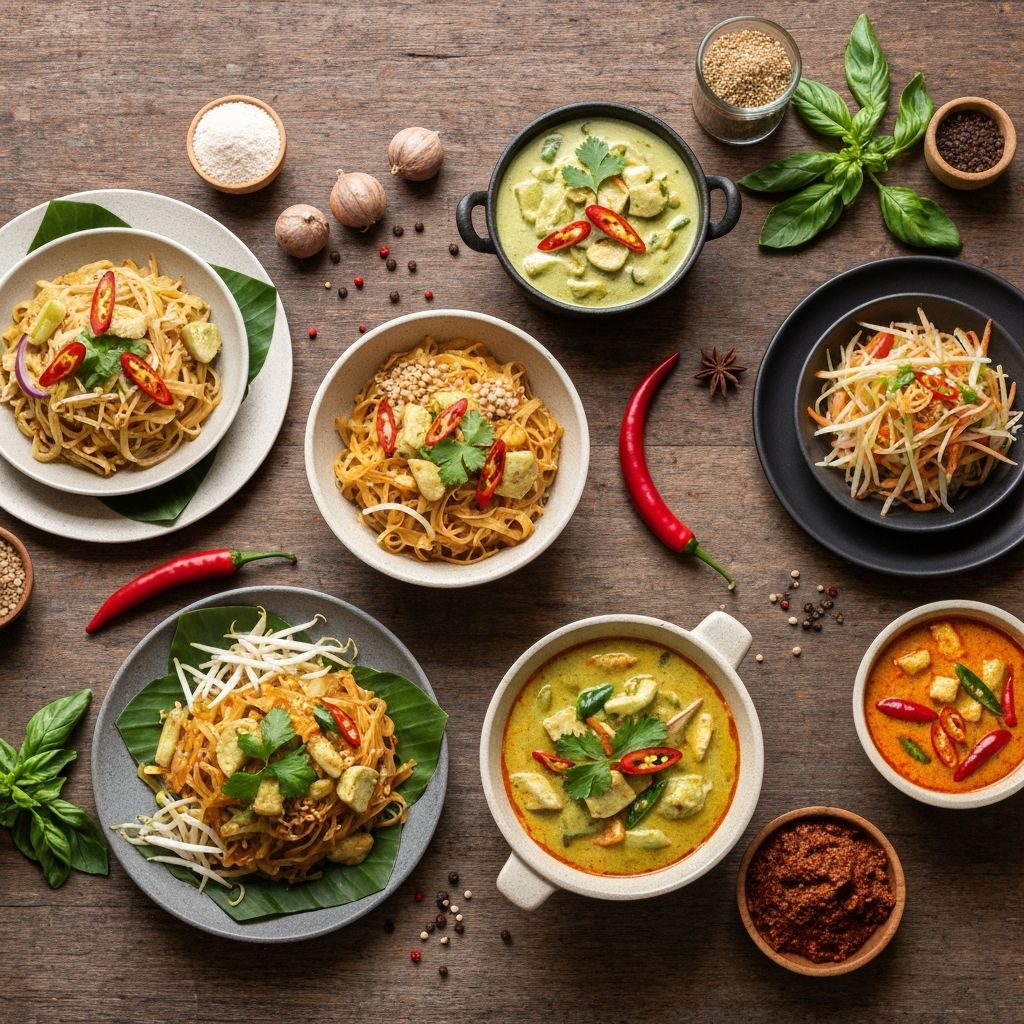
Thai food has gained immense popularity around the world for its bold flavors, vibrant colors, and aromatic complexity. From the bustling street food stalls of Bangkok to upscale Thai restaurants in major cities across the globe, this cuisine captivates diners with its unique balance of sweet, sour, salty, and spicy elements. But beyond the incredible taste, many health-conscious consumers find themselves asking whether Thai food is actually good for them.
The answer, like most things related to nutrition, is nuanced. Thai cuisine encompasses a vast range of dishes, some of which are exceptionally nutritious and aligned with healthy eating principles, while others can be high in calories, sodium, and sugar. Understanding the key components of Thai cooking and making informed choices when ordering or preparing Thai food at home can help you enjoy this beloved cuisine as part of a balanced and healthful diet.
Traditional Thai cooking relies heavily on fresh ingredients, including vegetables, herbs, lean proteins, and aromatic spices. Many of the ingredients commonly used in Thai cuisine have been studied for their health-promoting properties, from the anti-inflammatory effects of turmeric and galangal to the immune-boosting potential of lemongrass and garlic. When prepared traditionally and consumed in reasonable portions, Thai food can be an excellent addition to a healthy lifestyle.
The Health Benefits of Common Thai Ingredients
One of the greatest strengths of Thai cuisine from a nutritional perspective is its reliance on herbs, spices, and aromatics that offer significant health benefits. Lemongrass, a staple in many Thai soups and curries, contains citral, a compound with anti-inflammatory and antimicrobial properties. It has been used in traditional medicine for centuries to aid digestion, reduce fever, and relieve pain.
Galangal, a root closely related to ginger, is another powerhouse ingredient in Thai cooking. It contains compounds called galangin and alpha-pinene that have been shown to possess anti-inflammatory, antioxidant, and even anti-cancer properties in laboratory studies. Galangal is a key ingredient in tom kha gai, the beloved Thai coconut chicken soup, and adds both flavor and potential health benefits to every bowl.
Thai basil, cilantro, and mint are used generously throughout Thai cuisine, and each brings its own nutritional profile to the table. Thai basil is rich in vitamins A and K, while cilantro has been studied for its ability to help the body detoxify heavy metals. Fresh mint aids digestion and adds a refreshing note to salads and spring rolls. The generous use of fresh herbs means that many Thai dishes deliver micronutrients that are often lacking in Western diets.
Chili peppers, which give Thai food its characteristic heat, contain capsaicin, a compound that has been extensively researched for its health benefits. Capsaicin has been shown to boost metabolism, reduce appetite, lower blood pressure, and provide pain relief. Regular consumption of chili peppers has been associated with reduced mortality risk in several large epidemiological studies, making the spiciness of Thai food a potential health advantage rather than just a flavor choice.
Healthy Thai Dishes to Choose
When it comes to selecting healthy options from a Thai menu, certain dishes stand out as particularly nutritious choices. Som tam, or green papaya salad, is one of the healthiest Thai dishes you can order. It features shredded unripe papaya, tomatoes, green beans, peanuts, dried shrimp, and a dressing made from lime juice, fish sauce, garlic, and chilies. This dish is low in calories, high in fiber and vitamins, and packed with the enzymatic benefits of raw papaya.
Tom yum goong, the famous Thai hot and sour shrimp soup, is another excellent choice for health-conscious diners. This clear broth-based soup is loaded with shrimp, mushrooms, tomatoes, lemongrass, galangal, kaffir lime leaves, and chilies. It is relatively low in calories while being rich in protein, vitamins, and the beneficial compounds found in its aromatic herbs and spices. Research has even suggested that the combination of ingredients in tom yum soup may have properties that help protect against certain types of cancer.
Larb, a minced meat salad originating from northeastern Thailand, is a protein-rich dish that is both flavorful and relatively healthy. Made with ground chicken, pork, or turkey mixed with lime juice, fish sauce, fresh herbs, shallots, and toasted rice powder, larb delivers significant protein with minimal fat when prepared with lean meats. It is typically served with fresh vegetables and lettuce leaves for wrapping, adding fiber and additional nutrients.
Stir-fried dishes featuring vegetables and lean proteins, such as pad pak ruam mit, which is a mixed vegetable stir-fry, can be excellent healthy choices when prepared with minimal oil. These dishes retain the nutritional value of fresh vegetables while adding flavor through garlic, oyster sauce, and light seasoning. Requesting that your dish be prepared with less oil can make these already-nutritious options even healthier.
Thai Dishes That May Be Less Healthy
While Thai cuisine offers many nutritious options, some popular dishes can be surprisingly high in calories, fat, sodium, and sugar. Pad thai, arguably the most well-known Thai dish internationally, is one that health-conscious diners should approach with awareness. A typical restaurant serving of pad thai can contain 800 to 1,200 calories, with significant amounts of oil, sugar in the tamarind sauce, and sodium from fish sauce and soy sauce.
Thai curries, particularly those made with coconut milk such as green curry, red curry, and massaman curry, can be calorie-dense due to the high fat content of coconut milk. A single serving of Thai green curry with rice can easily exceed 700 calories, with a significant portion coming from saturated fat in the coconut milk. While coconut fat contains medium-chain triglycerides that some research suggests may be metabolized differently than other saturated fats, the calorie density remains a consideration for those watching their intake.
Thai iced tea, a beloved accompaniment to Thai meals, is essentially a sugar bomb in a glass. Made with strongly brewed tea, sweetened condensed milk, and often additional sugar, a single serving can contain 300 to 400 calories and 40 to 50 grams of sugar. Similarly, mango sticky rice, while delicious, combines glutinous rice with sweetened coconut cream and ripe mango for a dessert that can easily exceed 500 calories per serving.
Deep-fried dishes such as tod mun pla, Thai fish cakes, and spring rolls add significant calories and fat through the frying process. While the base ingredients may be nutritious, the cooking method can transform a potentially healthy dish into one that is less aligned with health-conscious eating goals.
Tips for Eating Thai Food Healthily
Making Thai food work within a healthy eating plan is largely about making informed choices and occasional modifications. Start by choosing soups and salads as appetizers or even as your main course, as these tend to be among the healthiest options on a Thai menu. Clear broth-based soups like tom yum are preferable to coconut milk-based soups like tom kha when you are trying to limit calorie and fat intake.
When ordering stir-fried dishes or curries, ask for your meal to be prepared with less oil and less sugar. Many Thai restaurants are happy to accommodate these requests, and you may find that the dish tastes just as good with reduced amounts of these ingredients. Choosing steamed rice over fried rice saves significant calories, and opting for brown rice when available adds fiber and additional nutrients.
Pay attention to portion sizes, as Thai restaurant servings are often generous enough for two meals. Consider sharing dishes family-style, which is actually the traditional Thai way of eating, as it allows you to sample a variety of dishes while naturally controlling portion sizes. Pair richer dishes with lighter ones to create a balanced meal that satisfies without overloading you with calories.
When cooking Thai food at home, you have complete control over ingredients and preparation methods. You can reduce the amount of coconut milk in curries by substituting light coconut milk or using a combination of coconut milk and broth. You can increase the vegetable content of any dish, use lean proteins, and control the amounts of oil, sugar, and sodium in your preparations. Home cooking also allows you to experiment with healthier cooking techniques like grilling, steaming, and baking while still capturing the authentic flavors of Thai cuisine.
The Bottom Line on Thai Food and Health
Thai food can absolutely be part of a healthy diet when approached with knowledge and intentionality. The cuisine's emphasis on fresh herbs, aromatic spices, lean proteins, and vegetables provides a solid nutritional foundation that many other cuisines lack. The key health-promoting ingredients found throughout Thai cooking, from lemongrass and galangal to chili peppers and fresh herbs, offer benefits that go beyond basic nutrition.
However, like any cuisine, Thai food includes dishes that range from exceptionally healthy to indulgent. Being aware of the calorie, fat, and sodium content of different dishes allows you to make choices that align with your health goals while still enjoying the incredible flavors that make Thai cuisine so beloved. Whether you are dining out or cooking at home, Thai food offers a world of delicious possibilities that can nourish your body as much as they delight your taste buds.
