
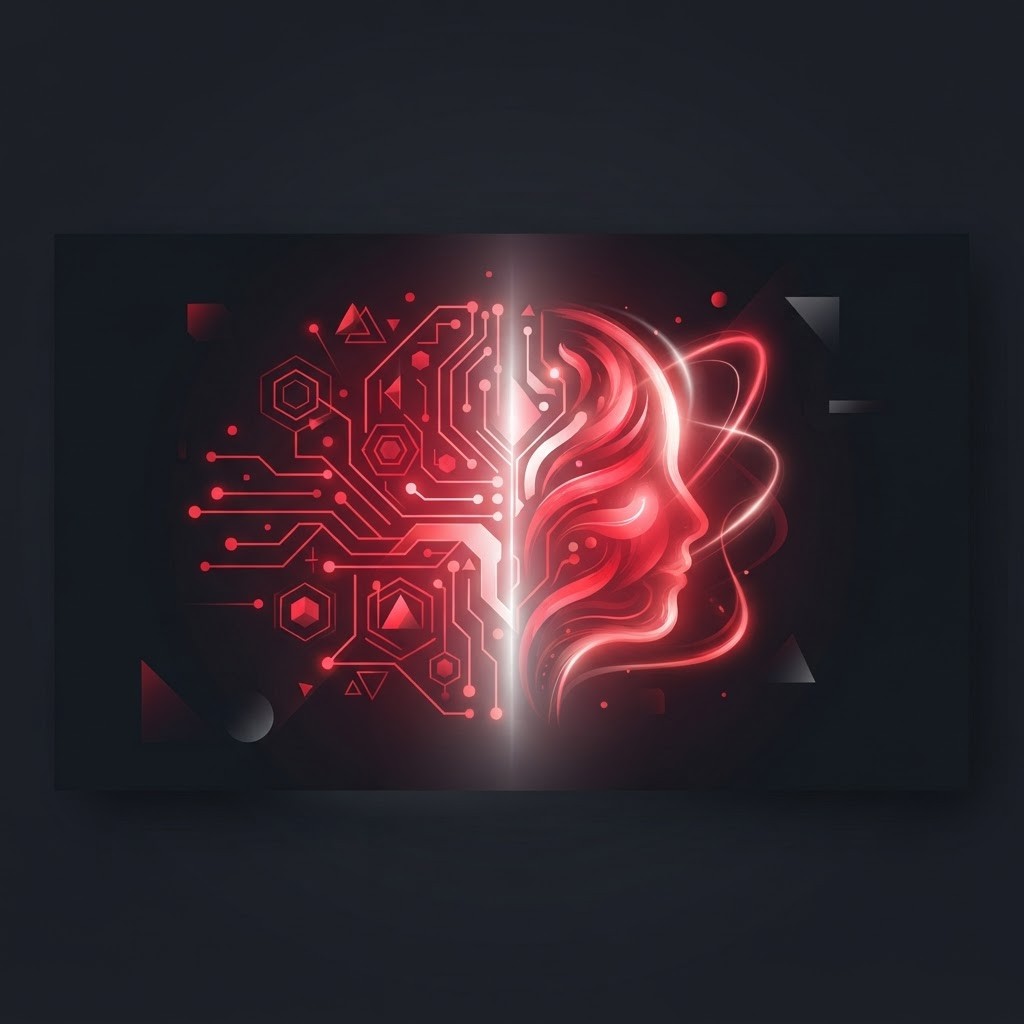
The rapid rise of artificial intelligence has sparked intense debate about the future of many professions, and marketing sits squarely in the spotlight. With AI systems generating content, managing campaigns, and predicting consumer behavior, it is natural to ask whether marketing is going to be taken over by AI. The short answer is that AI will take over many tasks within marketing, but it will not take over marketing itself. The discipline will remain a collaboration between intelligent machines and skilled humans, each contributing what they do best. Understanding this balance is key to preparing for what lies ahead.
How AAMAX.CO Blends AI With Human Strategy
Successfully navigating the shift toward AI requires partners who understand both technology and marketing craft. AAMAX.CO helps businesses across the globe integrate AI into their marketing while keeping human strategy and creativity at the core. Their team deploys intelligent tools to handle data analysis, automation, and production, then applies human expertise to guide strategy and protect brand identity. This blended model shows that the future of marketing is not about machines replacing people but about the two working together to achieve more than either could alone.
The Areas AI Will Increasingly Control
There is no denying that AI is claiming ownership of significant portions of marketing work. Data analysis, once the domain of specialists poring over spreadsheets, is now largely automated. Ad buying and optimization happen in real time through machine learning. Content generation, from social posts to product descriptions, is increasingly AI-assisted. Customer service interactions are frequently handled by chatbots. In these areas, AI offers speed, scale, and consistency that humans cannot match, and its role will only grow.
The Human Territory AI Cannot Claim
Despite this expansion, large parts of marketing will remain distinctly human. Setting a brand's vision and values requires human judgment. Understanding the emotional and cultural context of an audience demands empathy that machines lack. Creative breakthroughs—the campaigns that surprise, delight, and stick in the memory—spring from human imagination. Ethical decisions about data, privacy, and messaging require moral reasoning. Building genuine relationships with customers and partners is inherently personal. These are the domains where humans will continue to lead.
Why Collaboration Wins
The most effective marketing of the future will not come from AI alone or humans alone but from the two working in concert. AI can process vast amounts of data and surface insights, while humans decide how to act on them. AI can generate numerous creative options, while humans select and refine the ones that resonate. This collaboration allows teams to move faster and think bigger. Businesses that master this partnership, supported by a strong digital marketing foundation, will outperform those that resist change or rely on automation without oversight.
The Impact on Marketing Careers
For marketing professionals, the rise of AI means adaptation rather than obsolescence. Routine tasks will be automated, but new opportunities will emerge for those who can guide AI, interpret its output, and provide strategic direction. Skills in data analysis, AI tool management, and creative strategy will be in high demand. Marketers who embrace continuous learning and view AI as a partner will find their careers enhanced, while those who resist may struggle to keep pace.
Adapting to AI-Driven Discovery
Another dimension of AI's growing influence is how consumers find brands. With more people relying on AI assistants and answer engines, marketers must ensure their content appears in these new channels. Understanding evolving GEO services and how AI systems select and present information is becoming an essential skill. This shift reinforces the point that AI is changing marketing's tools and channels, not eliminating the need for human strategists to navigate them.
Preparing for the Transition
Businesses and professionals can prepare by embracing AI proactively. Experiment with tools to understand their strengths and limits, invest in developing complementary human skills, and design workflows that combine efficiency with creativity. Maintain ethical standards and keep humans involved in key decisions. Viewing the transition as an opportunity rather than a threat unlocks innovation and growth. The businesses that thrive will be those that adapt early and thoughtfully.
The Balanced Truth
Marketing is not going to be taken over by AI in the sense of humans becoming irrelevant. AI will take over many tasks, reshape workflows, and change the skills marketers need, but the strategic, creative, and human heart of marketing will endure. The future belongs to those who combine the analytical power of AI with the empathy, imagination, and judgment that only people can provide. Rather than a takeover, what lies ahead is a powerful partnership that promises to make marketing smarter and more effective than ever.
