
Understanding Rail Service in San Antonio
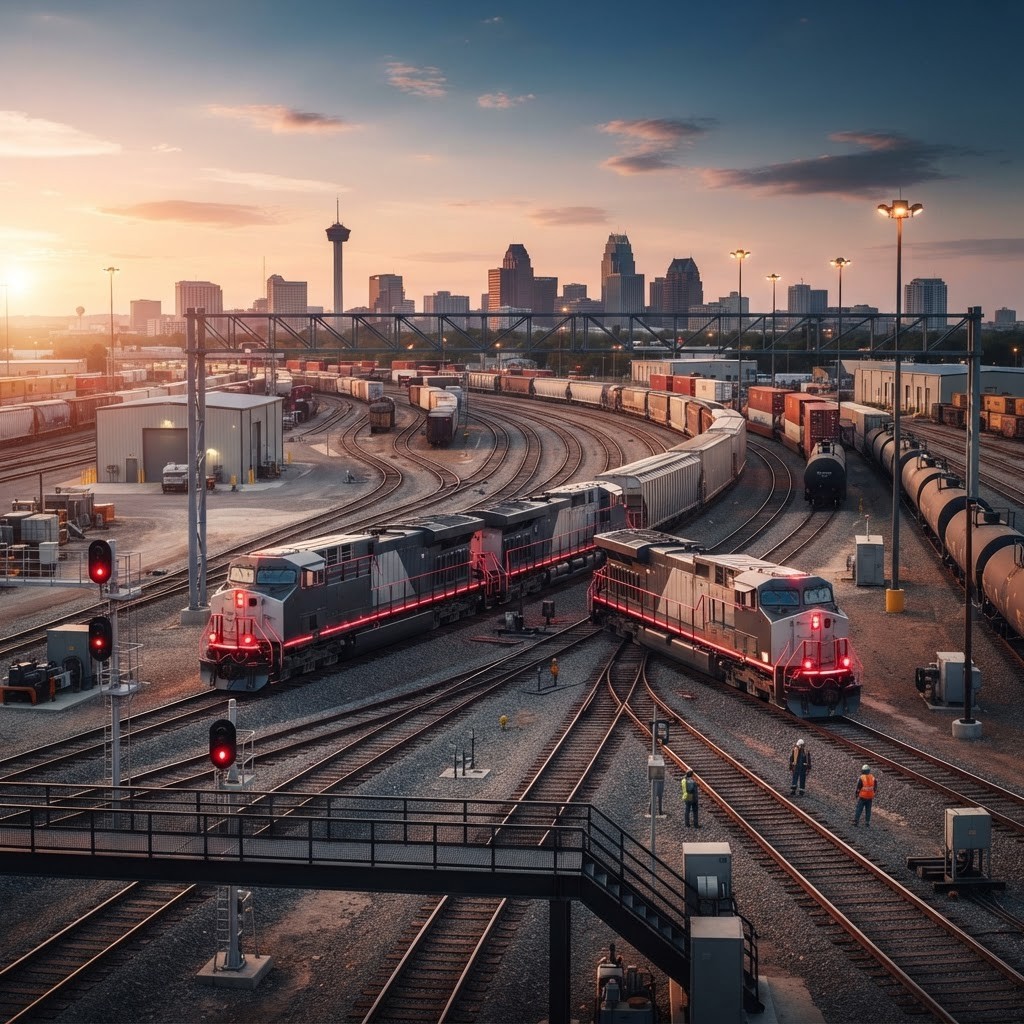
San Antonio has long been an important rail crossroads. Its location connects Gulf Coast gateways, North Texas markets, West Texas, and trade corridors into Mexico. The local rail landscape includes major freight railroads, short-line and switching organizations, passenger services, and regional operators that connect customers to the national network. Because these organizations perform different roles, the best choice depends on whether a reader needs freight capacity, industrial switching, intermodal access, or passenger transportation.
1. Union Pacific Railroad
Union Pacific is one of the most significant freight rail operators in the San Antonio region. Its extensive western United States network and routes toward the Mexican border make it especially important for automotive, energy, agricultural, construction, and consumer freight. Large shippers value the ability to move high volumes over long distances, while intermodal customers can combine rail efficiency with truck pickup and delivery.
2. BNSF Railway
BNSF Railway serves South Texas through a broad national freight network. The railroad is a major option for commodities, industrial products, and intermodal traffic moving between Texas and markets across the central and western United States. Its scale, terminal network, and connections with other carriers give San Antonio-area shippers alternatives for long-haul transportation.
3. Amtrak
Amtrak provides San Antonio’s best-known intercity passenger rail service. The Texas Eagle links the city with destinations across Texas and onward to major national connections, while the Sunset Limited provides an east-west route. Passenger rail appeals to travelers who value generous seating, the ability to move around during a trip, and a different experience from driving or flying.
4. Watco
Watco operates short-line railroads, terminals, and logistics facilities across North America. Its relevance comes from customer-focused first-mile and last-mile rail service, transloading, and industrial support. For businesses without a direct mainline relationship, a short-line or terminal operator can bridge the operational gap between a plant, warehouse, or truck shipment and a Class I railroad.
5. Genesee & Wyoming
Genesee & Wyoming manages a large portfolio of short-line and regional railroads. Although specific service depends on the facility and connecting line, the organization represents the type of localized rail expertise that supports industrial customers throughout Texas. Short lines often distinguish themselves through flexible switching schedules, close shipper relationships, and specialized knowledge of local facilities.
6. Texas Transportation Company
The historic Texas Transportation Company is part of San Antonio’s rail story and illustrates how industrial railways served local manufacturing districts. While it is no longer an active common carrier, including it provides useful context for understanding the city’s development. Its former electric freight operation connected local industry with larger rail networks and remains of interest to transportation historians.
7. San Antonio Central Railroad
San Antonio Central Railroad represents the importance of switching and short-line functions in a major metropolitan freight market. Local rail operators concentrate on moving cars between industrial customers, yards, and connecting carriers. This role may be less visible than long-distance trains, but reliable switching is essential to keeping freight fluid and avoiding costly delays.
8. Port of San Antonio Rail Operations
Port San Antonio is a major industrial and logistics campus with access to transportation infrastructure. Rail-connected development in such a setting can help aerospace, manufacturing, cybersecurity, and logistics tenants coordinate inbound materials and outbound products. The value lies in combining rail potential with highway access, large sites, and proximity to skilled labor.
9. Railserve
Railserve provides industrial rail switching and related services for facilities that need on-site railcar movement. Instead of operating long-haul routes, industrial switching companies manage railcars within plants, terminals, and distribution properties. This specialization can improve safety, loading efficiency, asset utilization, and coordination with serving railroads.
10. Herzog
Herzog is a Texas-rooted rail services company known for construction, maintenance, operations, and technology. It supports the infrastructure behind dependable railway service rather than functioning solely as a conventional freight carrier. Its expertise demonstrates that track inspection, maintenance, signaling, and project delivery are as important to rail performance as locomotives and railcars.
Choosing the Right Rail Option
Freight customers should first determine whether their facility has direct rail access. If not, transloading may allow products to move between trucks and railcars at a nearby terminal. Discuss origin and destination coverage, minimum volumes, equipment availability, switching schedules, storage rules, and expected transit times. Heavy or bulk freight often gains the greatest economic and environmental benefits from rail.
Passenger travelers should compare schedules, journey length, station access, baggage policies, and connections. Rail may not be the fastest choice on every route, but it can provide comfort and a memorable view of Texas. Across both freight and passenger service, San Antonio’s rail options reflect the city’s continuing role as a strategic transportation crossroads.
Before Making a Final Decision
Use this list as a researched starting point rather than a substitute for current due diligence. Services, staffing, availability, policies, service areas, and eligibility can change as San Antonio continues to grow. Contact the organization through its established business channels, explain the exact outcome you need, and request current written information before committing. Compare several suitable options on the same criteria instead of relying on a headline price or a single review. Ask who will perform the work, how progress is communicated, what is included, which circumstances create extra charges, and how problems are resolved. Recent feedback from customers with needs similar to yours can reveal details that broad ratings miss. Keep copies of estimates, schedules, policies, and other important records. A thoughtful comparison should balance quality, reliability, convenience, safety, local experience, and total cost. The strongest choice is ultimately the provider whose present capabilities and working approach fit your priorities, timeline, and circumstances.
