
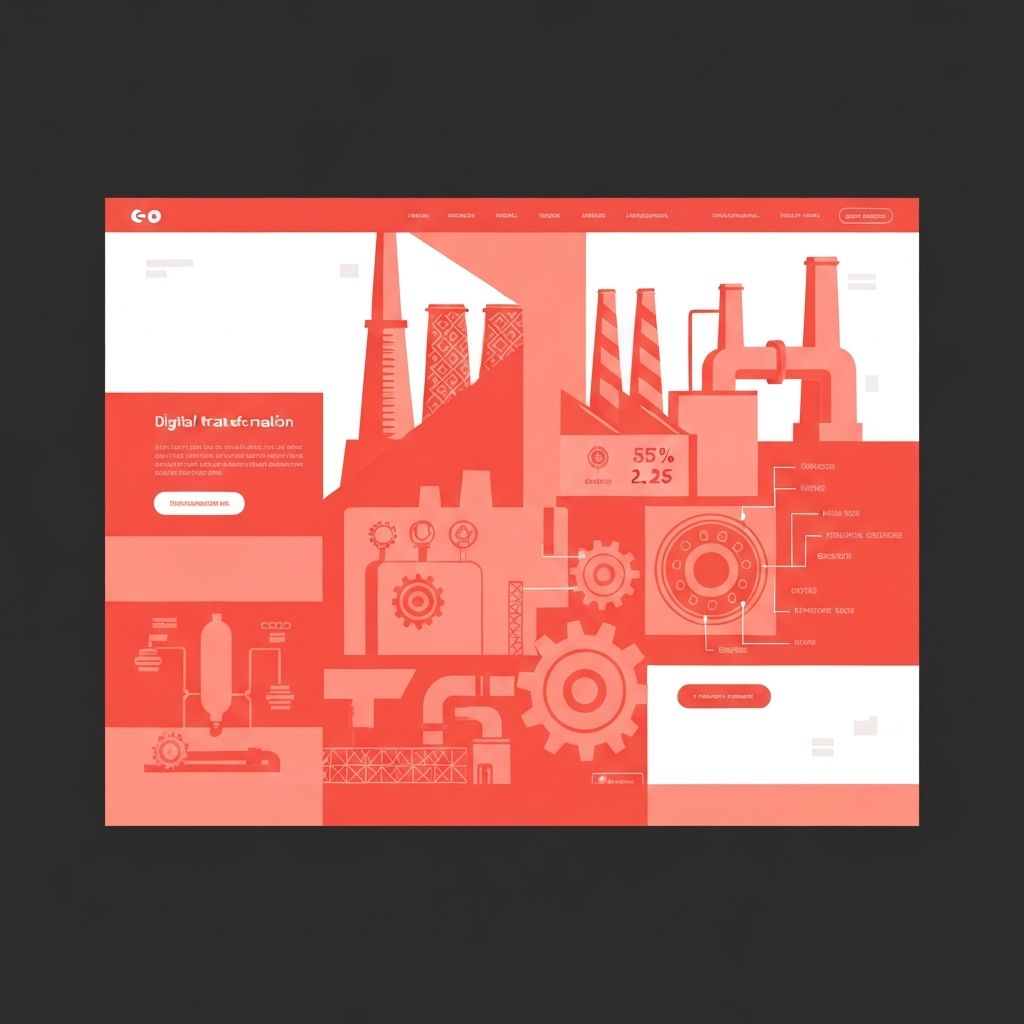
Understanding Industrial Web Design Challenges
Industrial and manufacturing companies face distinct web design challenges that differ significantly from consumer-focused businesses. Complex products, lengthy sales cycles, technical specifications, and multiple decision-makers characterize industrial buying processes. Effective industrial web design must address these unique requirements while maintaining professional aesthetics and functionality.
The industrial sector has historically lagged in digital transformation, but competitive pressures increasingly demand professional online presences. Buyers research potential suppliers extensively online before initiating contact, making websites critical touchpoints in B2B sales processes. Companies with outdated or unprofessional websites lose opportunities to digitally-savvy competitors.
AAMAX.CO: Industrial Web Design Solutions
AAMAX.CO brings specialized expertise to industrial website design projects. As a full-service digital marketing company, they understand the complex requirements of manufacturing and industrial businesses. Their team creates websites that effectively communicate technical capabilities while generating qualified leads. They offer comprehensive web design and development services worldwide for industrial clients.
Showcasing Capabilities and Capacity
Industrial websites must effectively communicate company capabilities to technical buyers. Equipment lists, capacity specifications, tolerance capabilities, and process expertise require clear presentation. These technical details influence supplier qualification decisions.
Facility information demonstrates operational scale. Photos and videos of manufacturing floors, equipment in operation, and production processes provide visual evidence of capabilities. Virtual facility tours have become increasingly popular, especially when in-person visits aren't feasible.
Product and Service Catalogs
Industrial product catalogs present particular challenges due to product complexity and volume. Filterable product databases, detailed specification sheets, CAD file downloads, and comparison tools help buyers evaluate options. Search functionality must accommodate technical terminology and part numbers.
Custom manufacturing services require different presentation approaches. Showcasing past projects, explaining processes, and highlighting flexibility in meeting custom requirements demonstrate custom capabilities effectively.
Industry Certifications and Compliance
Quality certifications and compliance documentation carry significant weight in industrial purchasing decisions. ISO certifications, industry-specific standards, safety records, and regulatory compliance should feature prominently. Downloadable certificates and compliance documentation satisfy procurement requirements.
Sustainability and environmental practices increasingly influence industrial supplier selection. Environmental certifications, waste reduction initiatives, and sustainable manufacturing practices deserve dedicated website sections addressing growing buyer concerns.
Technical Documentation and Resources
Industrial buyers need access to technical documentation. Specification sheets, material safety data sheets, installation guides, and maintenance manuals should be easily accessible. Gated resources requiring registration capture leads while providing value.
Engineering resources like CAD files, BIM models, and integration specifications support specification processes. Providing these resources in multiple formats accommodates various software platforms used by engineers and architects.
Case Studies and Project Galleries
Industrial case studies demonstrate real-world application success. Detailed project descriptions including challenges, solutions, and outcomes help buyers envision similar applications. Industry-specific case studies resonate with buyers in those sectors.
Project galleries showcase work visually. Professional photography of completed installations, manufactured products, and operational systems provides compelling evidence of capabilities. Before-and-after comparisons particularly effectively demonstrate impact.
Lead Generation for Long Sales Cycles
Industrial sales cycles often span months or years. Website lead generation strategies must account for this reality. Quote request forms capture immediate needs, while newsletter subscriptions and resource downloads nurture long-term prospects.
Contact forms should accommodate complex inquiries. Fields for project specifications, quantity requirements, timeline information, and technical questions capture information sales teams need for effective follow-up.
Multiple Stakeholder Considerations
Industrial purchasing decisions involve multiple stakeholders: engineers, procurement professionals, operations managers, and executives. Website content must address each stakeholder's concerns. Technical specifications satisfy engineers, pricing transparency helps procurement, reliability data interests operations, and ROI information engages executives.
Navigation should accommodate different visitor types. Clear pathways for engineers seeking technical data, procurement professionals needing supplier qualification documents, and executives wanting company overview information ensure each audience finds relevant content.
International Considerations
Many industrial companies serve global markets. Multilingual websites, region-specific contact information, and international shipping details address global buyer needs. Currency conversion tools and international standards compliance information further support international business.
Cultural considerations extend beyond translation. Imagery, color choices, and messaging may need regional adaptation. Understanding target market expectations improves international website effectiveness.
Website Integration with Sales Processes
Effective industrial websites integrate with CRM systems and sales processes. Lead scoring, automated follow-up sequences, and sales team notifications ensure website leads receive appropriate attention. Integration with web application development creates custom functionality supporting specific sales processes.
Performance and Reliability
Industrial websites handling large product catalogs, CAD files, and high-resolution imagery require robust hosting infrastructure. Fast load times, reliable uptime, and secure data handling meet professional standards expected by industrial buyers.
Conclusion
Industrial web design requires understanding of complex B2B sales processes, technical buyer needs, and sector-specific requirements. From capability showcasing to technical documentation to lead generation, each element must work together to support industrial sales objectives. Companies investing in professional industrial web design gain competitive advantages in markets increasingly influenced by digital presence.
