
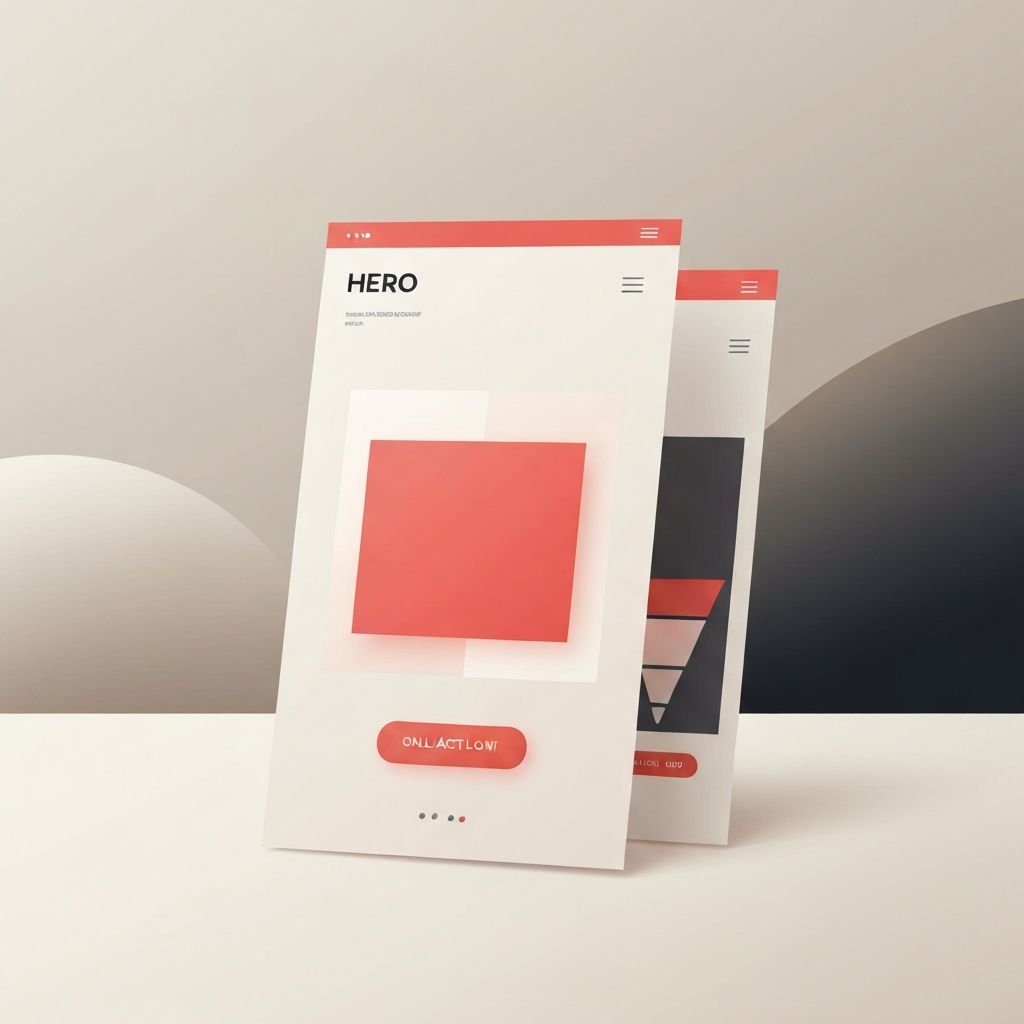
Minimalist web page design is the practice of creating individual pages that focus on a single, clear purpose. Whether the goal is to convert visitors, communicate a message, or showcase a product, a well-designed minimalist page eliminates distractions and guides users toward action with confidence and clarity. Done well, it can dramatically improve engagement, conversion, and brand perception.
Hire AAMAX.CO for Minimalist Web Page Design and Development Services
Designing a high-performing minimalist page requires more than just removing elements; it requires strategic thinking and disciplined craft. AAMAX.CO is a full-service digital marketing company offering web development, digital marketing, and SEO services worldwide. Their team has built countless landing pages, product pages, and marketing sites with refined website design expertise. They help brands turn complex offerings into focused, conversion-friendly pages that perform across devices.
Start with a Single Goal
Every minimalist page begins with one clear goal. It might be to encourage a signup, drive a purchase, communicate a brand story, or capture leads. Defining this goal at the start ensures that every design decision supports it. Pages with multiple competing goals tend to feel cluttered and underperform compared to pages with a single, focused purpose.
Once the goal is defined, the page can be structured around a clear narrative that leads the user toward action.
Information Architecture and Flow
Minimalist pages typically follow a predictable flow: a strong hero section, a brief explanation of value, supporting evidence such as features or testimonials, and a final call-to-action. Each section is concise and focused, with no unnecessary detours.
Whitespace between sections creates rhythm and helps the user move through the page without feeling rushed or overwhelmed. The goal is to make the journey feel natural, almost inevitable.
Hero Sections That Communicate Instantly
The hero section is the most important part of a minimalist page. It must communicate the value proposition within seconds, using a clear headline, a supporting subheadline, and a single primary call-to-action. Imagery, if used, should reinforce the message without competing with it.
Avoid stuffing the hero with multiple buttons, lengthy paragraphs, or auto-playing videos. The clearer the hero, the higher the engagement throughout the rest of the page.
Typography and Readability
Typography carries enormous weight on minimalist pages. Large, expressive headlines paired with comfortable body copy create a strong sense of hierarchy and personality. Generous line-height, reasonable line length, and sufficient contrast make the content easy to read on any device.
Limiting the page to one or two typefaces keeps the design cohesive and reduces visual noise. Variable fonts allow for nuanced expression without increasing file size.
Color, Contrast, and Emphasis
Color on a minimalist page should be used with intention. Neutrals dominate, while one or two accent colors highlight interactive elements like buttons and links. This restraint ensures that calls-to-action stand out clearly without needing to shout.
Sufficient contrast between text and background is essential for both readability and accessibility. Modern color tools, including oklch, help designers achieve consistent, perceptually accurate contrast across themes.
Imagery, Illustration, and Icons
Imagery should support the message, not decorate the page. High-quality photography, custom illustrations, and refined icons can all play a role, but each must earn its place. Generic stock photos and decorative graphics tend to undermine the credibility of minimalist pages.
When imagery is used, it should be optimized for performance, with modern formats like WebP or AVIF, lazy loading, and responsive sizing.
Calls-to-Action That Convert
A minimalist page typically has one primary call-to-action repeated strategically throughout. The button copy should be clear, action-oriented, and benefit-focused. Phrases like "Start free trial," "Get the guide," or "Book a demo" tend to outperform vague labels like "Submit" or "Click here."
Visual emphasis on the call-to-action, combined with surrounding whitespace, helps guide the user toward conversion without feeling pushy.
Performance and Mobile Optimization
Minimalist pages should load quickly on every device. Optimized assets, efficient code, and lightweight frameworks all contribute to strong Core Web Vitals scores. Mobile-first design ensures that the page looks and feels great on small screens, where most users will encounter it first.
Testing across devices, browsers, and connection speeds is essential to delivering a consistent experience.
Conclusion
Minimalist web page design is a powerful tool for creating focused, high-converting digital experiences. By starting with a single goal, designing a clear flow, and applying restraint in typography, color, and imagery, teams can build pages that perform beautifully on every level. In a world of digital noise, a well-crafted minimalist page is often the most persuasive choice.
