
Understanding Why Food Tastes Spicy
Before diving into the solutions for toning down spicy food, it helps to understand the science behind the heat. The burning sensation you experience when eating spicy food is primarily caused by a compound called capsaicin, found in chili peppers. Capsaicin binds to pain receptors in your mouth called TRPV1 receptors, which are the same receptors that detect actual heat from high temperatures. This is why spicy food literally feels like it's burning your mouth, even though no actual thermal damage is occurring.
The intensity of capsaicin in peppers is measured using the Scoville Heat Unit (SHU) scale. A mild bell pepper registers zero SHU, jalapeños range from 2,500 to 8,000 SHU, habaneros can reach 350,000 SHU, and the hottest peppers in the world, like the Carolina Reaper, can exceed 2 million SHU. Knowing the heat level of the peppers you're working with can help you anticipate how much adjustment your dish might need.
Understanding that capsaicin is an oil-soluble compound is key to effectively reducing spiciness. Because capsaicin dissolves in fats and oils rather than water, many of the most effective heat-reduction techniques involve fat-based ingredients. This is also why drinking water after eating spicy food provides little relief, as it simply spreads the capsaicin around your mouth without dissolving it.
Add Dairy Products to Neutralize the Heat
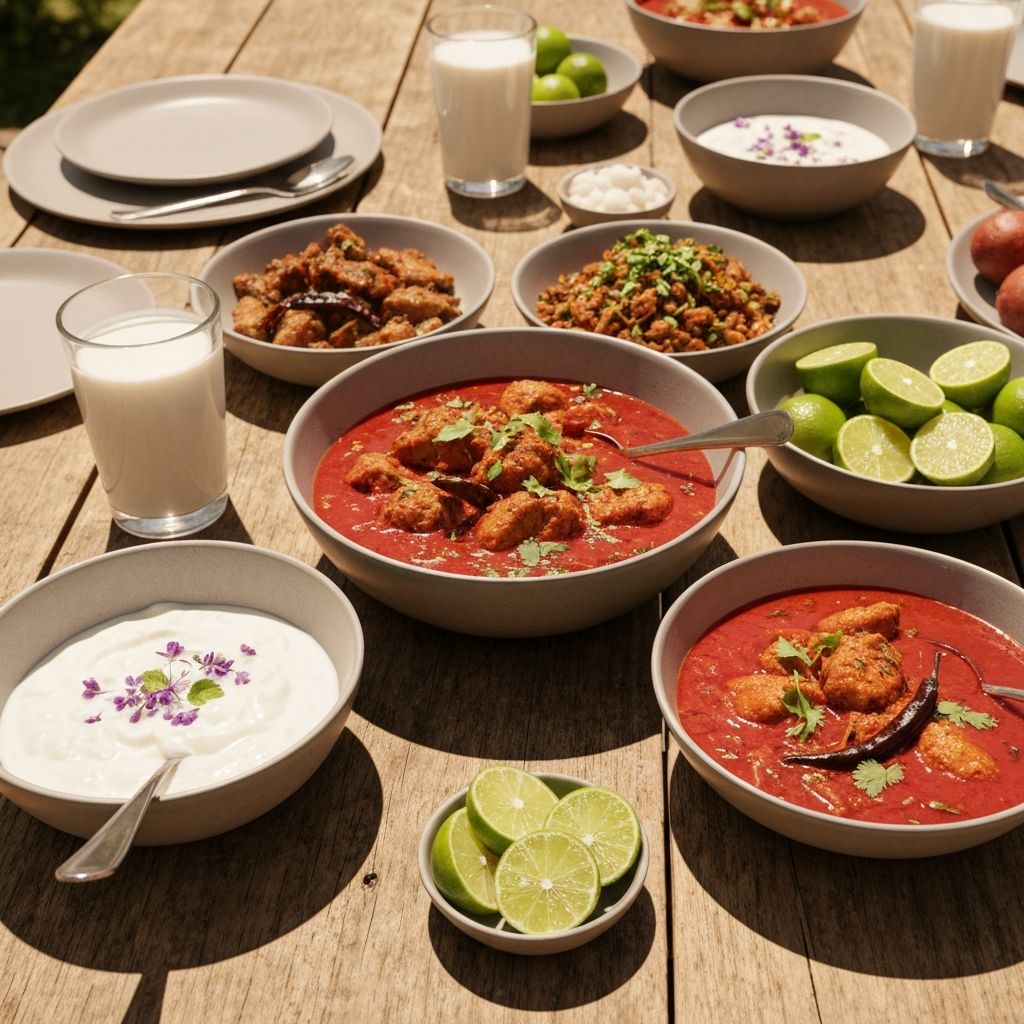
Dairy is perhaps the most well-known and effective remedy for toning down spicy food. The casein protein found in dairy products binds directly to capsaicin molecules, effectively pulling them away from the pain receptors in your mouth and neutralizing the burning sensation. This is why a glass of milk, a dollop of sour cream, or a scoop of yogurt can provide almost immediate relief from spicy food.
When cooking, there are many ways to incorporate dairy into an overly spicy dish. Adding heavy cream, coconut cream, or whole milk to a curry, soup, or sauce can dramatically reduce the perceived heat while creating a richer, more complex flavor profile. Sour cream or Greek yogurt can be stirred into chili, tacos, or stews, adding a tangy counterpoint to the remaining spiciness.
Cheese is another excellent dairy option for tempering spice. Adding shredded cheese to a spicy dish not only tones down the heat but also adds a savory, umami element that can enhance the overall flavor. In Mexican cuisine, crumbled queso fresco or shredded Monterey Jack is often served alongside spicy dishes for precisely this reason. Cream cheese can also be blended into sauces and soups to create a smooth, mellow result.
Use Sweetness to Balance the Spice
Adding a touch of sweetness can effectively counterbalance the heat in spicy food. Sugar doesn't neutralize capsaicin in the way dairy does, but it does compete for your taste buds' attention, creating a perception of reduced spiciness. This balancing act between sweet and spicy is the foundation of many beloved cuisines, including Thai, Korean, and Caribbean cooking.
Granulated sugar or brown sugar can be added directly to sauces, soups, and stews to offset excessive heat. Start with a small amount, perhaps a teaspoon at a time, and taste as you go to avoid making the dish overly sweet. Honey and maple syrup are also effective sweeteners that bring additional flavor complexity to the table, making them ideal for dishes where you want to add dimension beyond simple sweetness.
Sweet vegetables and fruits can serve double duty, reducing spiciness while adding nutritional value and texture. Diced sweet potatoes, corn kernels, caramelized onions, or roasted bell peppers can mellow out a spicy stew or curry. Pineapple, mango, and peach are commonly used in spicy salsas and sauces, providing natural sweetness that harmonizes beautifully with chili heat.
Increase the Volume of Your Dish
Sometimes the simplest solution is the most effective: make more food. If your dish is too spicy, increasing the volume of non-spicy ingredients effectively dilutes the concentration of capsaicin throughout the dish. This approach works particularly well for soups, stews, curries, and other liquid-based dishes where adding more broth, vegetables, or protein can expand the dish without dramatically changing its character.
For chili or stew, adding an extra can of beans, diced tomatoes, or additional broth can spread the heat across a larger volume of food, making each serving less intensely spicy. For stir-fries, adding more vegetables, rice, or noodles can achieve the same effect. The additional ingredients absorb some of the capsaicin and create more bites of food that don't carry as much heat.
This approach has the added benefit of creating more servings, which can be stored as leftovers or frozen for future meals. What started as a cooking mistake can become an opportunity to batch-cook and save time and money in the long run, turning an overly spicy dinner into several milder, well-portioned meals.
Add Acidic Ingredients for Balance
Acidic ingredients like lemon juice, lime juice, vinegar, and tomatoes can help balance the perception of spiciness in a dish. While acid doesn't neutralize capsaicin directly, it provides a bright, sharp flavor that distracts the palate from the heat and creates a more complex, balanced flavor profile. Many of the world's spiciest cuisines use acid as a counterbalance, which is why hot sauces often contain vinegar and spicy Asian dishes are frequently served with lime wedges.
A squeeze of fresh lime juice can work wonders on an overly spicy Thai curry, Mexican salsa, or Indian dal. The acidity cuts through the heat and refreshes the palate, making the dish more enjoyable to eat. Rice vinegar, apple cider vinegar, or white wine vinegar can serve a similar purpose in dishes where citrus might not be appropriate.
Tomatoes and tomato-based products like crushed tomatoes, tomato paste, or marinara sauce are naturally acidic and can help temper spiciness while adding body and depth to a dish. Adding a can of diced tomatoes to an overly spicy chili or curry not only reduces the heat through dilution but also contributes acidity that helps balance the overall flavor profile.
Use Fats and Oils to Dissolve Capsaicin
Since capsaicin is fat-soluble, adding fats and oils to your dish can help dissolve and distribute the heat more evenly, reducing the intensity of any individual bite. Butter, olive oil, coconut oil, and vegetable oil can all be used to mellow out an overly spicy dish. The fat coats your mouth and creates a barrier between the capsaicin and your pain receptors, providing a soothing effect.
Avocado and guacamole are excellent fat-based additions to spicy dishes, particularly in Mexican and Tex-Mex cuisine. The creamy, rich texture of avocado provides immediate relief from heat while adding a complementary flavor and nutritional benefits. Similarly, a drizzle of tahini or a spoonful of nut butter can tone down the spiciness of Asian-inspired dishes while adding depth and richness.
Coconut milk and coconut cream are staple ingredients in Southeast Asian cooking, where they're used specifically to balance the heat of chili peppers and curry pastes. Adding a splash of coconut milk to a Thai curry or Indonesian rendang can transform an overwhelmingly spicy dish into a rich, creamy, and beautifully balanced meal.
Starchy Additions That Absorb Heat
Starchy ingredients like rice, potatoes, bread, and pasta can help absorb some of the capsaicin in a spicy dish, effectively reducing the overall heat level. This is why spicy curries are traditionally served over rice, and why bread or naan is a common accompaniment to hot Indian dishes. The starch provides a neutral, absorbent base that dilutes the spiciness and gives your palate a break between bites.
Adding diced or mashed potatoes to an overly spicy soup, stew, or curry is one of the most effective starch-based solutions. Potatoes are incredibly absorbent and have a neutral flavor that won't significantly alter the taste of your dish. They also add a satisfying, hearty texture that makes the dish more filling and substantial.
Cooked rice can be stirred directly into spicy sauces and stir-fries to absorb excess heat, or it can be served alongside the dish to provide a cooling counterpoint. Bread, tortillas, and naan can also be used to soak up spicy sauces and gravies, providing both a starchy buffer and a convenient vehicle for eating the dish.
Prevention: How to Avoid Making Food Too Spicy
The best way to deal with overly spicy food is to prevent the problem in the first place. When cooking with chili peppers, start with less than the recipe calls for and add more gradually, tasting as you go. Remember that the heat of a dish can intensify as it cooks, particularly in slow-cooked dishes where the capsaicin has more time to infuse into the liquid.
Removing the seeds and white membranes from chili peppers before adding them to your dish can significantly reduce the heat, as these parts of the pepper contain the highest concentrations of capsaicin. Using milder pepper varieties as a base and adding hotter peppers sparingly allows you to build heat gradually without overshooting your target.
Keep a variety of the heat-reducing ingredients mentioned above on hand whenever you cook spicy food. Having dairy, sugar, acid, and starches readily available means you can quickly adjust the heat level of any dish, turning a potential disaster into a perfectly balanced meal.
