
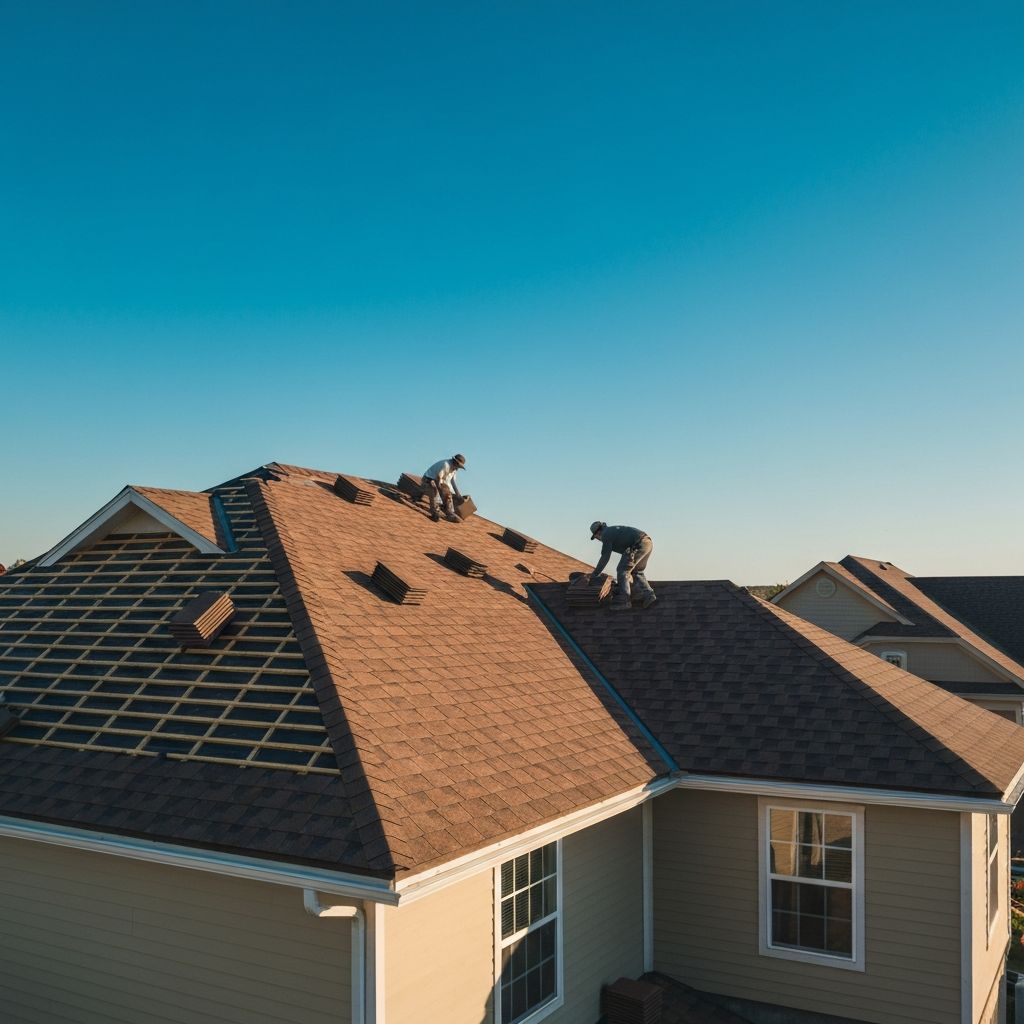
What to Expect When Paying for a New Roof
A new roof is one of the most significant investments a homeowner can make. It protects your home from the elements, enhances curb appeal, improves energy efficiency, and can significantly increase property value. However, the cost of a new roof can vary dramatically depending on a wide range of factors. Understanding these costs upfront can help you budget appropriately, compare contractor quotes, and make informed decisions about materials and scope of work.
The national average cost for a new roof in the United States ranges from $8,000 to $15,000, with most homeowners spending between $10,000 and $12,000 for a standard asphalt shingle roof on a typical single-story home. However, costs can range from as low as $5,000 for a small, simple roof to $30,000 or more for a large home with premium roofing materials, complex architecture, or significant structural repairs.
Roofing Materials and Their Costs
The roofing material you choose is one of the most significant factors in determining the total cost of your new roof. Each material offers different benefits in terms of durability, appearance, energy efficiency, and longevity.
Asphalt shingles are the most popular roofing material in the United States, used on approximately 80 percent of residential roofs. Three-tab asphalt shingles are the most affordable option, costing $3 to $5 per square foot installed, while architectural or dimensional shingles cost $4 to $7 per square foot. Asphalt shingles offer good durability with a lifespan of 20 to 30 years for three-tab and 25 to 50 years for architectural varieties.
Metal roofing has grown significantly in popularity due to its exceptional durability and energy efficiency. Standing seam metal roofs cost $8 to $14 per square foot installed, while metal shingle or tile profiles cost $7 to $12 per square foot. Metal roofs can last 40 to 70 years and are highly resistant to wind, hail, and fire. They also reflect solar heat, which can reduce cooling costs by 10 to 25 percent.
Clay and concrete tile roofing is popular in Mediterranean, Spanish, and Southwestern-style homes. Clay tiles cost $10 to $18 per square foot installed, while concrete tiles cost $8 to $15 per square foot. Tile roofs are extremely durable, with lifespans of 50 to 100 years, and they offer excellent fire resistance and thermal insulation.
Wood shakes and shingles provide a natural, rustic appearance that is popular on Cape Cod, craftsman, and cottage-style homes. Cedar shakes cost $8 to $14 per square foot installed, while cedar shingles cost $6 to $10 per square foot. Wood roofing has a lifespan of 20 to 40 years with proper maintenance but requires more upkeep than other materials and may not be permitted in fire-prone areas.
Slate roofing is considered the gold standard of roofing materials, offering unmatched beauty and durability. Natural slate costs $15 to $30 per square foot installed and can last 75 to 200 years. Synthetic slate, made from rubber or polymer composites, costs $8 to $15 per square foot and provides a similar appearance with easier installation and lower weight.
Labor Costs for Roof Installation
Labor typically accounts for 40 to 60 percent of the total cost of a new roof. The cost of labor depends on the complexity of the roof, the local labor market, and the experience of the roofing contractor.
For a straightforward asphalt shingle installation on a simple gable roof, labor costs typically range from $2 to $4 per square foot. More complex roofs with multiple valleys, dormers, skylights, or steep pitches can increase labor costs to $4 to $8 per square foot due to the additional time, skill, and safety measures required.
Removing the old roof adds to the labor cost. Tear-off costs typically range from $1 to $3 per square foot, depending on the number of existing layers and the type of material being removed. Most building codes limit the number of roofing layers that can be installed, with most jurisdictions allowing no more than two layers of asphalt shingles before a complete tear-off is required.
Roof Size and Complexity
The size and complexity of your roof are primary cost drivers. Roofing costs are typically calculated per roofing square, which equals 100 square feet of roof area. A typical American home has between 15 and 25 roofing squares, though this can vary significantly based on the size of the home and the roof's overhang.
Roof pitch, or steepness, affects both the amount of material needed and the difficulty of installation. Steeper roofs require more safety equipment, take longer to install, and may require specialized techniques. A roof with a pitch of 6:12 or greater is considered steep and typically incurs a premium of 10 to 25 percent compared to a standard-pitch roof.
The number of penetrations, including chimneys, skylights, vents, and pipes, adds complexity and cost to a roofing project. Each penetration requires custom flashing and sealing to prevent leaks, adding $100 to $500 per penetration to the total cost.
Additional Cost Factors
Beyond materials and labor, several additional factors can affect the total cost of your new roof. Being aware of these variables can help you avoid budget overruns and make informed decisions during the planning process.
Structural repairs may be necessary if the roof decking or supporting structure has been damaged by water, rot, or pests. Replacing damaged plywood or OSB decking costs $2 to $5 per square foot, while more significant structural repairs to rafters or trusses can cost $1,000 to $5,000 or more.
Underlayment is the water-resistant barrier installed between the roof deck and the roofing material. Standard synthetic underlayment costs $0.50 to $1.50 per square foot, while self-adhering ice and water shield, which is required in cold climates at eaves and valleys, costs $1 to $3 per square foot.
Ventilation is essential for a healthy roof system and may need to be upgraded or added as part of a re-roofing project. Proper ventilation prevents moisture buildup and ice dams and can extend the life of the roofing material. Ridge vents, soffit vents, and powered attic fans cost $300 to $1,500 to install depending on the type and scope.
Permits and inspections are required for roofing projects in most jurisdictions. Permit costs typically range from $100 to $500, depending on the location and the scope of work. Some contractors include the permit cost in their quote, while others list it as a separate line item.
Getting Quotes and Choosing a Contractor
Selecting the right roofing contractor is crucial for ensuring quality workmanship and a fair price. Here are some guidelines for evaluating and comparing roofing quotes.
Obtain at least three to five written quotes from licensed, insured roofing contractors. Each quote should include a detailed breakdown of materials, labor, tear-off, disposal, and any additional work such as flashing, ventilation, or structural repairs. Be wary of quotes that are significantly lower than the others, as they may indicate the use of substandard materials, unlicensed labor, or hidden costs.
Verify the contractor's licensing, insurance, and bonding. A reputable roofer should carry general liability insurance, worker's compensation coverage, and a valid contractor's license. Ask for copies of these documents and verify them with the issuing agencies.
Check references and reviews from previous customers. Online review platforms, the Better Business Bureau, and local homeowner forums can provide valuable insights into a contractor's reputation, quality of work, and customer service.
Ask about warranties. A quality roofing job should come with both a manufacturer's warranty on the materials (typically 25 to 50 years for asphalt shingles) and a workmanship warranty from the contractor (typically 5 to 15 years). Some manufacturers offer enhanced warranties when their products are installed by certified contractors.
Financing Options for a New Roof
Given the significant cost of a new roof, many homeowners explore financing options to manage the expense. Several financing methods are available, each with different terms and implications.
Home equity loans and home equity lines of credit allow you to borrow against the equity in your home at relatively low interest rates. These loans often have terms of 5 to 20 years and may offer tax-deductible interest, though you should consult a tax advisor for specifics.
Personal loans are another option for financing a new roof. These unsecured loans typically have higher interest rates than home equity products but do not require your home as collateral. Terms range from 2 to 7 years, and approval is based on your credit score and income.
Many roofing contractors offer their own financing programs, often through partnerships with lending institutions. These programs may include promotional offers such as zero-percent interest for a set period. Be sure to read the fine print and understand the terms before committing to contractor-provided financing.
Conclusion
The cost of a new roof varies widely based on the size and complexity of the roof, the materials chosen, local labor rates, and any additional work needed. For a typical American home, expect to pay between $8,000 and $15,000 for an asphalt shingle roof, with premium materials like metal, tile, or slate pushing costs higher. By understanding the components that make up the total cost, obtaining multiple quotes, and choosing a qualified contractor, you can ensure that your new roof provides decades of reliable protection and adds lasting value to your home.
