
Understanding the Different Types of Car Washes
Before you pull into a car wash for the first time, it helps to understand the different types available. The three most common formats are automatic tunnel washes, touchless automatic washes, and self-service bays. Each offers a different experience, and knowing what to expect will make your visit much smoother and less stressful.
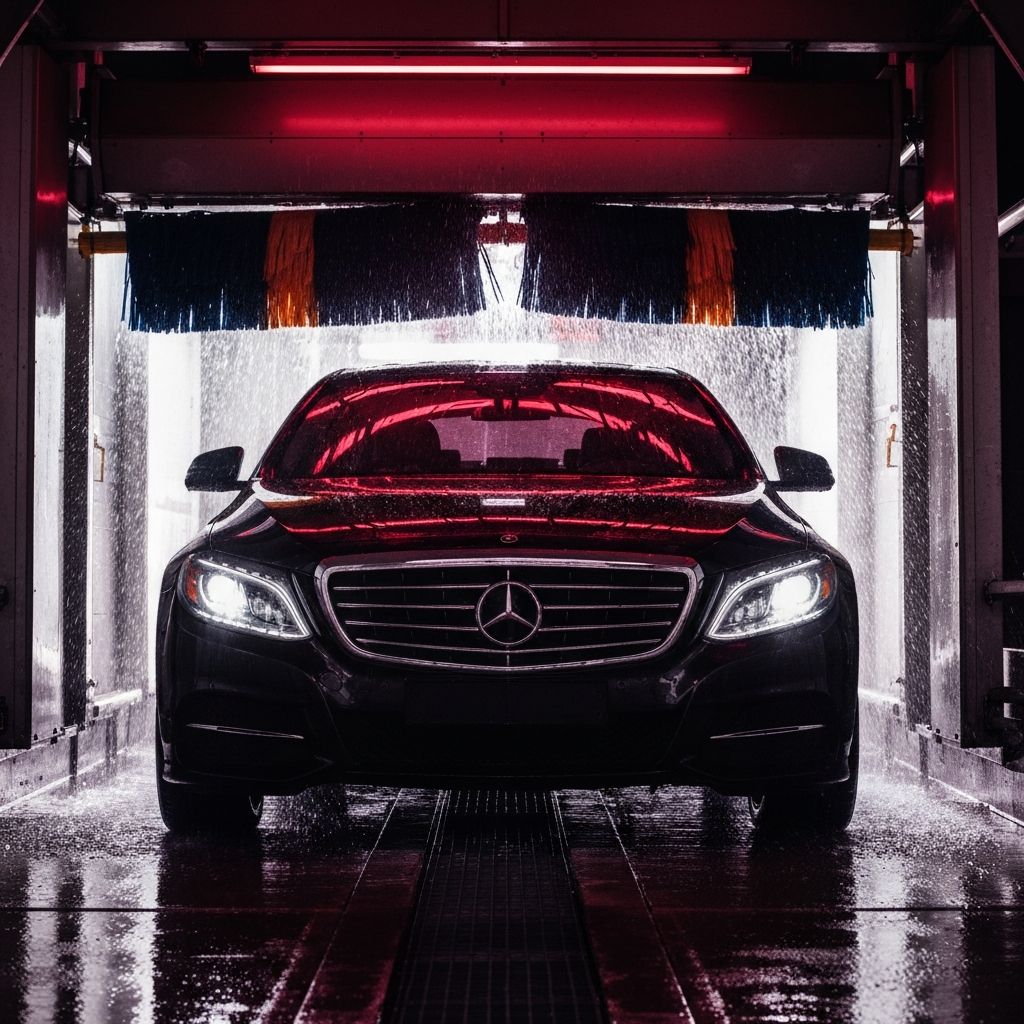
Automatic tunnel washes are the most common type and involve driving your vehicle onto a conveyor system that pulls it through a series of washing stages. These typically include a pre-soak, soap application, scrubbing brushes or cloth strips, high-pressure rinses, and a drying cycle. Touchless automatic washes use high-pressure water jets and specialized chemicals to clean your vehicle without any physical contact, making them a popular choice for owners concerned about potential scratching. Self-service bays provide you with a pressure washer and various cleaning options, allowing you to wash the car yourself.
Preparing Your Vehicle Before Entering
Proper preparation is key to a smooth car wash experience. Start by rolling up all windows completely and ensuring that your sunroof, if you have one, is fully closed and sealed. Even a small gap can allow water to enter the cabin, potentially damaging your interior and electronics.
Retract or fold in your side mirrors if your vehicle has power-folding mirrors. While most modern car washes are designed to accommodate extended mirrors, folding them reduces the risk of damage from brushes or other equipment. If your vehicle has a fixed antenna, check whether it can be unscrewed or retracted. Most modern vehicles have shark fin antennas that don't pose any issues, but older-style mast antennas should be removed or lowered.
Remove any external accessories that could be caught or damaged during the wash cycle. This includes bike racks, cargo carriers, loose trim pieces, and any aftermarket accessories that aren't firmly secured. If you have a truck with a tonneau cover, make sure it's properly latched and sealed. Also remove any loose items from your truck bed, as high-pressure water can scatter them.
Pulling Up and Selecting Your Wash Package
When you arrive at the car wash, you'll typically encounter a menu board displaying several wash packages at different price points. Basic washes usually include a standard soap, rinse, and dry cycle. Premium packages add extras like wheel cleaning, underbody wash, triple foam polish, rain repellent coatings, and enhanced drying. Choose the package that best fits your needs and budget.
Payment methods vary by location. Many car washes accept credit cards, debit cards, cash, and mobile payments at an automated kiosk. Some also offer monthly subscription plans that provide unlimited washes for a flat fee, which can be an excellent value if you wash your car frequently. After payment, you'll receive a code or the entry gate will open automatically.
As you approach the car wash entrance, you'll see a signal light system, usually a traffic-light-style display. Wait for the green light before proceeding. An attendant may be present to guide you, particularly during busy periods. Follow their instructions carefully, as they're trained to help you align your vehicle properly with the conveyor system.
Entering the Wash Tunnel
The most intimidating part for first-timers is getting onto the conveyor system. You'll see guide rails on either side of the entry lane and a tire guide, which looks like a small rail or track on the ground. Slowly drive forward until your front left tire rolls onto the tire guide. Most car washes have a sign or signal indicating exactly when to stop and shift into neutral.
Once your tire is on the conveyor, shift your vehicle into neutral (for manual transmissions) or remain in drive if instructed to do so by the car wash signage. Many modern automatic car washes instruct you to put the vehicle in neutral and take your foot off the brake. The conveyor will begin moving your vehicle forward automatically. Do not steer, brake, or accelerate while the conveyor is moving your car.
Some car washes, particularly touchless varieties, may ask you to simply park and remain stationary while the washing equipment moves around your vehicle. In these cases, put your vehicle in park, keep your foot on the brake, and sit back while the machine does its work. Always follow the specific instructions posted at each facility, as procedures can vary.
What Happens Inside the Wash Tunnel
Once inside the tunnel, your vehicle will pass through several distinct stages. The first is typically a pre-soak or pre-rinse, where a mild chemical solution is sprayed onto the vehicle to loosen dirt, grime, and road film. This stage is crucial for preventing scratches during the subsequent scrubbing phases, as it softens and lifts contaminants away from the paint surface.
Next comes the main wash stage, where soap or detergent is applied liberally to the vehicle. In brush-style washes, large rotating brushes or cloth strips make contact with the vehicle's surface to physically scrub away dirt. In touchless washes, high-pressure water jets combined with powerful cleaning chemicals accomplish the same task without any physical contact. If you've chosen a premium package, additional stages like wheel scrubbing, underbody flushing, and specialty chemical applications will occur at this point.
Following the wash, your vehicle enters the rinse stage, where clean water removes all soap and loosened contaminants from the surface. Premium packages often include a spot-free rinse using purified water, which prevents water spots from forming as the vehicle dries. The final stage is the drying cycle, where powerful blowers direct high-velocity air across the vehicle to remove the majority of water from the surface. Some car washes also apply a drying agent or protectant during this phase.
Exiting the Car Wash Safely
As your vehicle approaches the end of the tunnel, you'll see a signal indicating it's time to prepare to exit. When the green light illuminates or a sign says to proceed, shift your vehicle back into drive and gently accelerate away from the conveyor. Do not brake suddenly or stop immediately after exiting, as there may be vehicles directly behind you still on the conveyor system.
Pull forward to a designated area if one is available. Many car washes have vacuum stations and detailing areas where you can finish cleaning your vehicle's interior. If water spots remain on the surface, use a clean microfiber towel to gently wipe them away before they dry and become harder to remove. Check your mirrors, antenna, and any accessories to ensure everything is in order before driving away.
Tips for Getting the Best Results
To maximize the effectiveness of your car wash visit, consider timing your trip strategically. Midweek visits during off-peak hours typically mean shorter wait times and sometimes even discounted prices. Avoid washing your car on extremely hot sunny days, as rapid drying can cause water spots and reduce the effectiveness of wax and protectant products.
If your vehicle is heavily soiled with mud, road salt, or other heavy contamination, consider using a self-service bay for a pre-rinse before entering the automatic tunnel. This removes the bulk of the heavy grime and allows the automatic wash to focus on providing a thorough clean rather than fighting through caked-on debris. Regular washing, ideally every one to two weeks, keeps your vehicle looking its best and helps protect the paint from long-term damage caused by environmental contaminants.
