
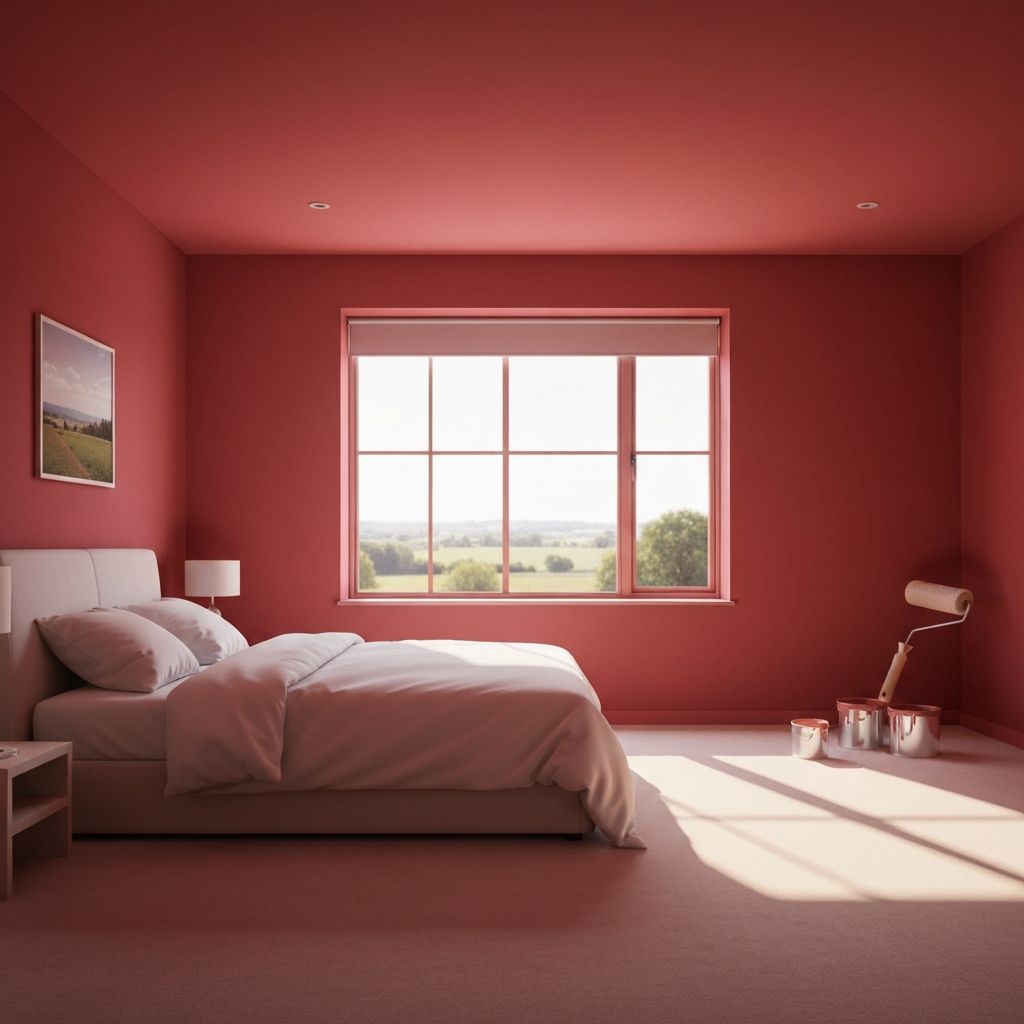
Understanding the Cost of Painting a Bedroom
Painting a bedroom is one of the most impactful home improvement projects you can undertake. Whether you are refreshing your space with a new color or simply covering up scuff marks and wear, understanding the costs involved is essential for budgeting. The total cost to paint a bedroom depends on several factors, including the size of the room, the quality of paint you choose, whether you hire a professional or do it yourself, and any prep work needed before the first coat goes on.
On average, homeowners spend between $300 and $800 to have a bedroom professionally painted, while a DIY approach can bring that number down to $100 to $300 in materials alone. However, these numbers can vary significantly based on your location, the condition of your walls, and the type of finish you desire.
Factors That Affect the Cost
Several key factors influence how much you will ultimately spend on painting a bedroom. Understanding each one will help you make informed decisions and avoid unexpected expenses.
Room Size: The most obvious factor is the size of the bedroom. A standard 10x12-foot bedroom with 8-foot ceilings has approximately 350 square feet of wall space. Larger master bedrooms or rooms with vaulted ceilings will require more paint and more labor, increasing the overall cost. Painters typically charge between $1.50 and $3.50 per square foot of wall space.
Paint Quality: Paint prices range from $20 per gallon for basic flat paint to over $70 per gallon for premium brands like Benjamin Moore Aura or Sherwin-Williams Emerald. Higher-quality paints offer better coverage, durability, and color retention, which can save you money in the long run by requiring fewer coats and lasting longer between repaints.
Number of Coats: Most painting projects require at least two coats of paint for even coverage. If you are making a dramatic color change, such as going from dark to light, you may need a primer plus two or three coats, adding to both material and labor costs.
Wall Condition: Walls with cracks, holes, peeling paint, or water damage will need repair before painting can begin. Drywall patching, sanding, and priming are common prep tasks that can add $50 to $200 or more to the total project cost.
DIY vs. Hiring a Professional
One of the biggest decisions you will face is whether to paint the bedroom yourself or hire a professional painter. Each option has its advantages and drawbacks.
DIY Painting: If you are comfortable with a paint roller and have the time, painting a bedroom yourself can save you hundreds of dollars. You will need to purchase paint, primer, brushes, rollers, painter's tape, drop cloths, and possibly a paint tray. A typical DIY supply list for a standard bedroom costs between $100 and $300, depending on paint quality. The main drawback is time — a DIY bedroom paint job can take an entire weekend, especially if you are doing thorough prep work.
Professional Painting: Hiring a professional painter ensures a high-quality finish with clean lines, even coverage, and minimal mess. Professional painters charge based on the room size, complexity, and your geographic location. In urban areas, expect to pay between $400 and $800 for a standard bedroom, while rural areas may be slightly less. The benefit is speed and expertise — a professional can typically complete a bedroom in one day.
Breakdown of Material Costs
Understanding the individual material costs helps you create an accurate budget, whether you are going the DIY route or just want to know what you are paying for when hiring a professional.
Paint: A standard bedroom requires 1.5 to 2 gallons of paint for two coats. At $30 to $60 per gallon for mid-range paint, that is $45 to $120 in paint alone. Premium paints will push this higher, while budget options can bring it down.
Primer: If your walls need priming, add another $15 to $30 per gallon. One gallon of primer typically covers a standard bedroom. Some paints include primer, which can eliminate this cost.
Supplies: Rollers ($5 to $15), brushes ($5 to $20), painter's tape ($5 to $10 per roll), drop cloths ($10 to $25), and paint trays ($3 to $10) are all essential supplies. Budget approximately $40 to $80 for a complete set of quality painting supplies.
Additional Costs to Consider
Beyond the basic painting costs, there are several additional expenses that can catch homeowners off guard.
Ceiling Painting: If you want to paint the ceiling in addition to the walls, expect to add $150 to $300 for professional labor or an extra gallon of paint for DIY. Ceiling painting is more labor-intensive due to the overhead positioning and the need for specialized rollers.
Trim and Baseboards: Painting trim, baseboards, window frames, and door frames adds detail and polish to the room but also increases the cost. Professional painters typically charge $1 to $3 per linear foot for trim work. For a standard bedroom, this can add $100 to $250 to the total cost.
Accent Walls: If you want a feature wall with a different color or special finish, the additional paint and labor can add $50 to $200. Specialty finishes like faux textures or metallic paints are even more expensive.
Furniture Moving: Professional painters may charge extra if they need to move heavy furniture before painting. Some painters include this in their quote, while others charge $50 to $100 for the service.
How to Save Money on Bedroom Painting
There are several strategies to reduce the cost of painting your bedroom without sacrificing quality.
First, do your own prep work. Even if you hire a professional painter, handling the taping, furniture moving, and wall cleaning yourself can reduce labor costs by 10 to 20 percent. Second, choose mid-range paint rather than premium options. Brands like Behr and Valspar offer excellent coverage and durability at a fraction of the premium price. Third, watch for sales at home improvement stores. Paint frequently goes on sale during holiday weekends, and buying in bulk can also save money.
Finally, get multiple quotes from professional painters. Prices can vary significantly between contractors, so comparing at least three estimates ensures you get a fair price. Be sure to ask what is included in each quote, such as prep work, primer, number of coats, and cleanup.
Final Thoughts
Painting a bedroom is a relatively affordable home improvement project that can dramatically transform your space. Whether you spend $100 on a DIY weekend project or invest $800 in a professional paint job, the key is to plan ahead, understand the factors that affect cost, and choose the approach that best fits your budget and skill level. With proper preparation and quality materials, your freshly painted bedroom will look beautiful for years to come.
