
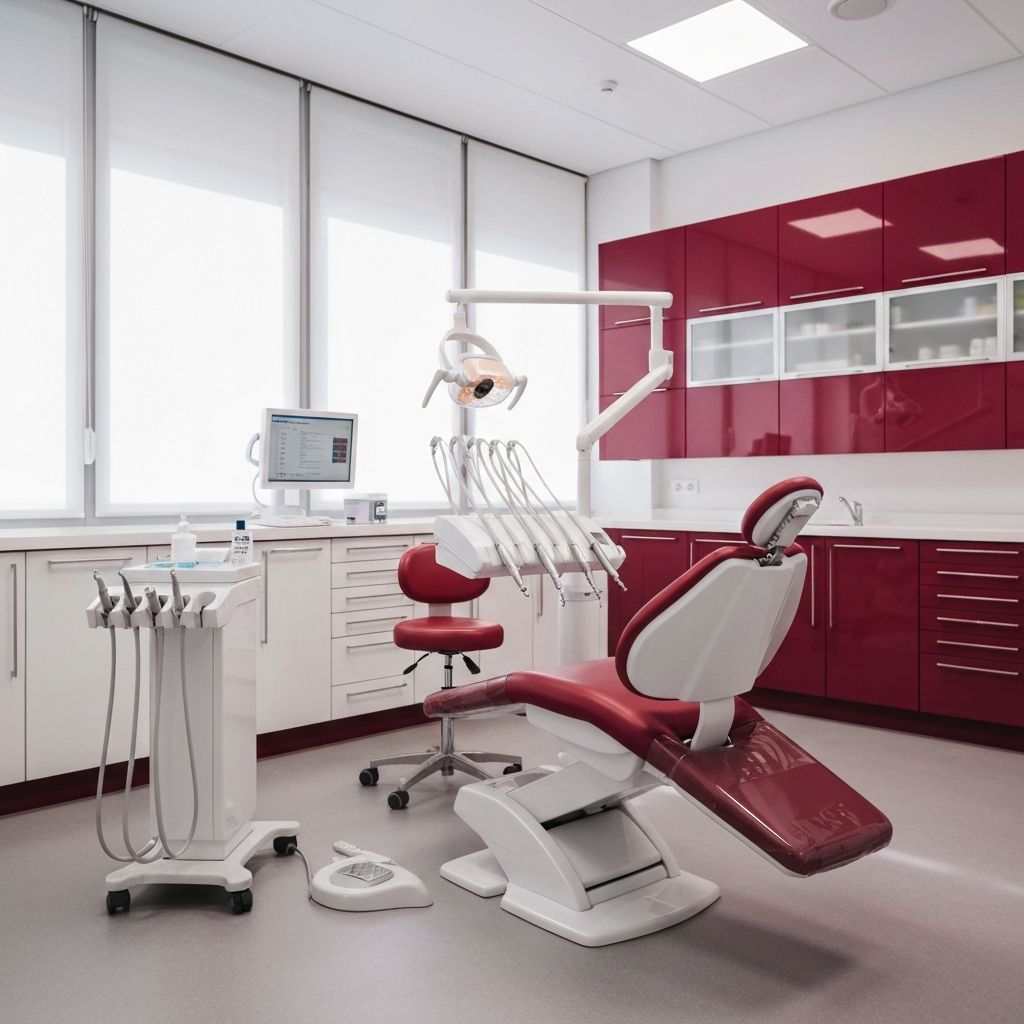
The Importance of Regular Teeth Cleaning
Regular teeth cleaning is one of the most important aspects of maintaining good oral health. Professional dental cleanings remove plaque and tartar buildup that regular brushing and flossing cannot eliminate. Without routine cleanings, plaque can harden into tartar, leading to gum disease, cavities, and eventually tooth loss. For those without dental insurance, the cost of these cleanings can be a significant concern and may cause some people to delay or skip this essential care.
Understanding the costs involved in teeth cleaning without insurance empowers you to plan ahead and seek affordable options. While the expense may seem daunting at first, there are many strategies and programs available to help reduce the financial burden of dental care.
Average Cost of a Routine Teeth Cleaning
A routine dental cleaning, also known as prophylaxis, is a standard procedure that involves removing plaque, tartar, and stains from the surfaces of your teeth. Without insurance, the average cost of a routine teeth cleaning ranges from $75 to $200, with the national average being around $125. This price typically includes the cleaning itself, an oral examination by the dentist, and sometimes dental X-rays.
The exact cost can vary depending on your geographic location, the dental practice you visit, and the complexity of the cleaning needed. Urban areas with higher costs of living tend to have higher dental fees, while practices in rural or suburban areas may charge less. Some dental offices offer package pricing that includes the cleaning, exam, and X-rays for a set fee, which can provide better value than paying for each service separately.
It is worth noting that the cost of a routine cleaning assumes your teeth and gums are generally healthy. If your dentist discovers signs of gum disease or excessive tartar buildup during the examination, they may recommend a deeper cleaning procedure, which will cost more.
Deep Cleaning Costs Without Insurance
A deep cleaning, also known as scaling and root planing, is a more intensive procedure required when there are signs of gum disease, such as pockets forming between the teeth and gums or significant tartar buildup below the gumline. Without insurance, a deep cleaning can cost between $150 and $350 per quadrant of the mouth, with a full-mouth deep cleaning ranging from $600 to $1,400.
Deep cleanings are typically performed under local anesthesia and may require two or more visits to complete. The procedure involves scraping away tartar from above and below the gumline and smoothing the root surfaces to help the gums reattach to the teeth. Follow-up visits may be needed to monitor healing and ensure the gum disease is under control.
Because deep cleanings are more time-consuming and require more skill than routine cleanings, they are significantly more expensive. However, failing to address gum disease can lead to much more costly procedures down the road, including periodontal surgery, tooth extraction, and dental implants.
Additional Costs to Consider
In addition to the cleaning itself, there are several other costs that may be associated with a dental visit. Dental X-rays are commonly taken during cleaning appointments to check for cavities, bone loss, and other issues that are not visible to the naked eye. The cost of X-rays ranges from $25 to $250, depending on the type and number of images taken. Bitewing X-rays, which are the most common type taken during routine visits, typically cost between $25 and $50.
A comprehensive oral examination, which is usually performed during your first visit to a new dentist, can cost between $50 and $150. Subsequent periodic examinations are generally less expensive, ranging from $30 to $75. Fluoride treatments, which are sometimes recommended to help strengthen tooth enamel and prevent cavities, cost between $20 and $50 per treatment.
If any dental issues are discovered during the cleaning, such as cavities or cracked teeth, additional procedures will be recommended, each with their own costs. It is a good idea to ask your dental office for a detailed cost breakdown before your appointment so you know what to expect.
Ways to Save on Dental Cleanings Without Insurance
There are several strategies you can use to reduce the cost of dental cleanings when you do not have insurance. Dental discount plans are one popular option. These plans are not insurance but rather membership programs that provide discounted rates at participating dental offices. Annual fees for dental discount plans typically range from $80 to $200, and they can provide savings of 10% to 60% on dental services, including cleanings.
Dental schools are another excellent resource for affordable dental care. Many dental schools operate clinics where students perform cleanings and other procedures under the supervision of experienced faculty members. The cost of a cleaning at a dental school is often 50% to 70% less than what you would pay at a private practice.
Community health centers that receive federal funding often offer dental services on a sliding fee scale based on your income. These centers provide quality care at reduced prices and are available in many communities across the country. You can find a community health center near you by searching the Health Resources and Services Administration website.
Some dental offices offer in-house membership plans or loyalty programs that provide discounted rates for patients who pay out of pocket. These plans typically involve an annual fee in exchange for free or discounted cleanings, exams, and X-rays, along with reduced rates on other services. Ask your dental office if they offer any such programs.
How Often Should You Get a Teeth Cleaning?
The American Dental Association recommends visiting the dentist regularly for professional cleanings and examinations. For most people, this means a cleaning every six months. However, some individuals may need more frequent cleanings, such as every three to four months, especially if they have a history of gum disease, are prone to tartar buildup, or have other risk factors.
Skipping or delaying dental cleanings to save money can actually end up costing more in the long run. Untreated plaque and tartar buildup can lead to cavities, gum disease, and other serious dental issues that require expensive treatments. By investing in regular preventive care, you can avoid many costly procedures and maintain better oral health overall.
Negotiating and Payment Options
If cost is a barrier to getting a dental cleaning, do not hesitate to discuss your financial situation with your dental office. Many dentists are willing to work with patients on pricing, especially for routine preventive care. Some offices offer payment plans that allow you to spread the cost over several months, making it more manageable.
Additionally, some dental offices offer discounts for paying in cash or for scheduling multiple family members at the same time. It never hurts to ask about available discounts or promotions. By being proactive about managing dental costs, you can ensure that you and your family receive the oral care you need without breaking the bank.
