
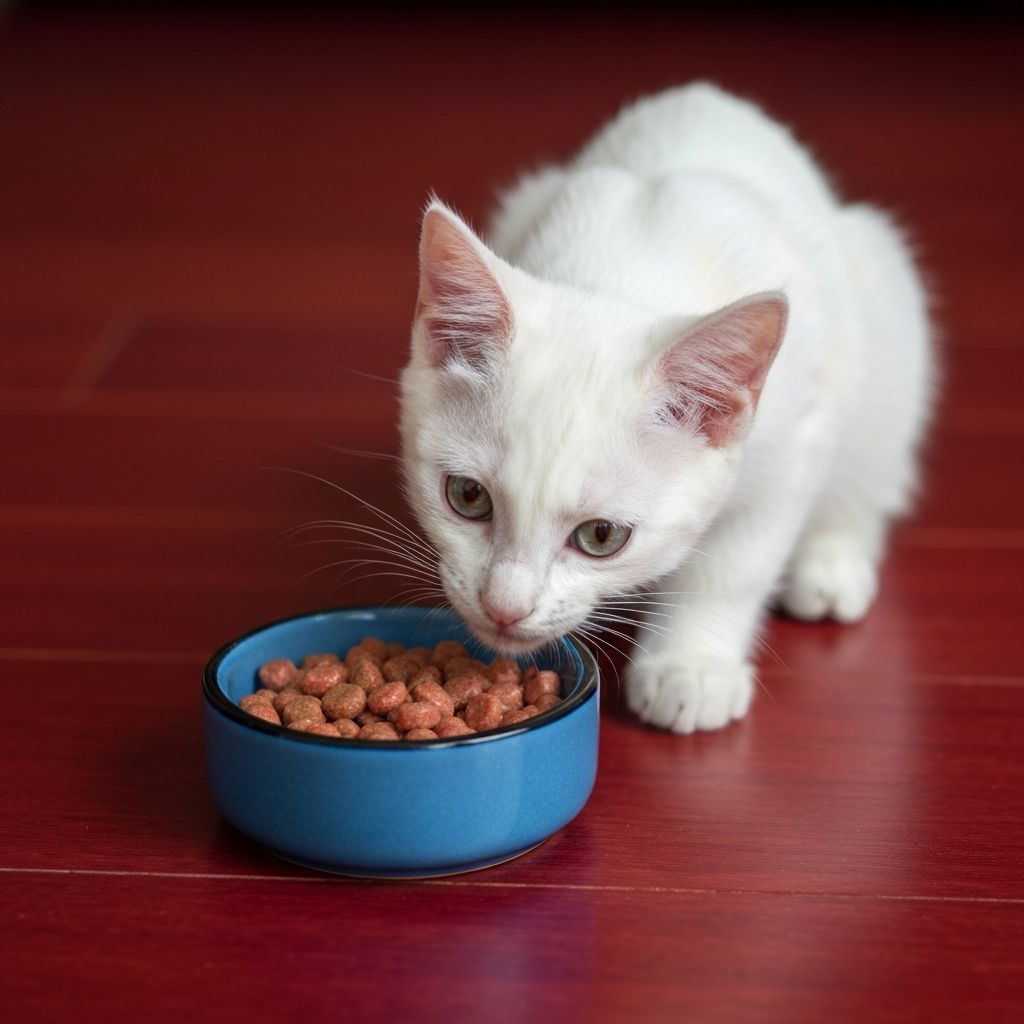
Understanding Kitten Nutritional Needs
Kittens grow at an astonishing rate during their first year of life, and proper nutrition is critical to support their rapid development. Unlike adult cats, kittens have higher caloric and nutritional requirements relative to their body weight. A kitten needs approximately two to three times more calories per pound of body weight than an adult cat, which means feeding them the right amount at the right times is essential for their health.
Kitten food is specifically formulated to meet these heightened nutritional demands. It contains higher levels of protein, fat, vitamins, and minerals compared to adult cat food. Feeding your kitten a diet designed for kittens, rather than adult cats, ensures they receive the nutrients they need for strong bones, healthy organs, and proper cognitive development.
Feeding Newborn Kittens (0 to 4 Weeks)
Newborn kittens depend entirely on their mother's milk for the first four weeks of life. If the mother cat is not available, you will need to bottle-feed the kitten using a commercial kitten milk replacer. Never use cow's milk, as it can cause digestive upset and diarrhea in kittens.
During the first week of life, a newborn kitten should be fed every two to three hours, including through the night. Each feeding should consist of approximately 2 to 6 milliliters of kitten milk replacer. As the kitten grows, the amount per feeding increases and the frequency gradually decreases.
By the second week, feedings can be spaced to every three to four hours, with each feeding providing 6 to 10 milliliters. During weeks three and four, the kitten will consume 10 to 14 milliliters per feeding, and nighttime feedings can often be reduced. The kitten's weight should approximately double during the first week of life and continue to increase steadily each day.
Transitioning to Solid Food (4 to 8 Weeks)
Around four weeks of age, kittens begin the weaning process and can start transitioning to solid food. Begin by offering a mixture of high-quality kitten food and warm water or kitten milk replacer to create a soft, gruel-like consistency. This makes it easier for the kitten to eat as they learn to chew and swallow solid food.
During the weaning period, offer the food mixture three to four times per day. Allow the kitten to eat as much as they want during each feeding session, as kittens at this age are generally good at self-regulating their intake. Gradually reduce the amount of liquid in the mixture over the next two to three weeks until the kitten is eating solid food with minimal added moisture.
By six to eight weeks of age, most kittens are fully weaned and eating solid kitten food. They should be offered food four to six times per day in small, frequent meals. The total daily intake for a kitten at this age is approximately one-third to one-half cup of dry kitten food or 6 to 9 ounces of wet kitten food, divided across multiple meals.
Feeding Young Kittens (2 to 6 Months)
During the two to six month age range, kittens experience their most rapid growth phase. Their caloric needs are at their peak, and they should be fed three to four times per day. A kitten in this age range typically needs about 60 to 65 calories per pound of body weight per day.
For a kitten weighing two pounds, this translates to approximately 120 to 130 calories per day. For a kitten weighing four pounds, the daily caloric requirement is approximately 240 to 260 calories. Check the calorie content listed on your kitten food packaging and measure portions accordingly.
Wet food is an excellent choice for young kittens because of its high moisture content, which supports hydration and urinary health. A combination of wet and dry food provides variety and ensures the kitten receives a balanced diet. If feeding dry food, make sure fresh water is always available.
Feeding Adolescent Kittens (6 to 12 Months)
As kittens approach six months of age, their growth rate begins to slow, and their caloric needs gradually decrease relative to their body weight. Most kittens can transition from three to four meals per day to two to three meals per day by the time they are six months old.
An adolescent kitten weighing six to eight pounds typically needs approximately 200 to 300 calories per day, depending on their activity level and breed. Large breed kittens, such as Maine Coons, may continue to grow beyond one year of age and may need more food than average-sized kittens.
Continue feeding kitten-specific food until your kitten is at least 12 months old. The transition from kitten food to adult food should be gradual, taking place over seven to ten days. Mix increasing amounts of adult food with decreasing amounts of kitten food until the transition is complete.
Wet Food vs. Dry Food for Kittens
Both wet and dry kitten foods have their advantages, and many veterinarians recommend a combination of both. Wet food is high in moisture, which is important for hydration, and is often more palatable to kittens. It is also easier for young kittens to eat, particularly during the weaning process.
Dry food, or kibble, is convenient, less expensive per serving, and can be left out for longer periods without spoiling. It also provides some dental benefits, as the crunching action can help reduce plaque buildup on the teeth. However, dry food has a lower moisture content, so kittens fed exclusively dry food need to drink more water.
When choosing kitten food, look for products that list a named animal protein, such as chicken, turkey, or salmon, as the first ingredient. Avoid foods with excessive fillers such as corn, wheat, and soy. Choose foods that are labeled as "complete and balanced" for kittens by the Association of American Feed Control Officials (AAFCO).
Signs of Overfeeding and Underfeeding
Monitoring your kitten's weight and body condition is important for ensuring they are receiving the right amount of food. An overfed kitten may develop a pot-bellied appearance, become lethargic, or gain weight too rapidly. Overweight kittens are at increased risk for joint problems, diabetes, and other health issues later in life.
An underfed kitten may appear thin, with visible ribs and hip bones. They may be excessively hungry, vocal at mealtimes, and less energetic than expected. Underfeeding can lead to malnutrition, stunted growth, and a weakened immune system.
The ideal body condition for a kitten is a well-proportioned body with a slight waist visible from above and ribs that can be felt but not prominently seen. Regular weigh-ins at home or at the veterinarian's office can help you track your kitten's growth and adjust their food intake as needed.
Common Feeding Mistakes to Avoid
Avoid feeding your kitten human food, as many common foods are toxic to cats, including onions, garlic, chocolate, grapes, and raisins. Dairy products such as milk and cheese can cause digestive upset in many cats, as most cats are lactose intolerant after weaning.
Do not feed your kitten dog food, as it does not contain the essential nutrients cats need, particularly taurine, which is vital for heart health and vision. Dog food is also lower in protein than cat food, which can lead to nutritional deficiencies in a growing kitten.
Avoid free-feeding large quantities of food, especially wet food, which can spoil quickly at room temperature. If you prefer to leave food out for your kitten to graze on throughout the day, use dry food and measure the total daily portion to prevent overconsumption. Remove any uneaten wet food after 30 to 60 minutes to maintain freshness and prevent bacterial growth.
When to Consult Your Veterinarian
If you are unsure about how much to feed your kitten or which food to choose, consult your veterinarian. They can provide personalized recommendations based on your kitten's age, weight, breed, and overall health. Regular veterinary check-ups during the first year of life are essential for monitoring growth and catching any nutritional issues early.
Your veterinarian can also help you establish a feeding schedule that works for your lifestyle and your kitten's needs. With the right nutrition and proper portion control, your kitten will grow into a healthy, happy, and well-nourished adult cat.
