
Understanding Your Cat's Nutritional Needs
Feeding your cat the right amount of food is one of the most important aspects of responsible pet ownership. Overfeeding leads to obesity, which is one of the most common health problems in domestic cats, affecting an estimated 60% of cats in the United States. Underfeeding, on the other hand, can result in malnutrition, muscle wasting, and a weakened immune system. Finding the right balance requires understanding your cat's individual needs based on their age, weight, activity level, and overall health status.
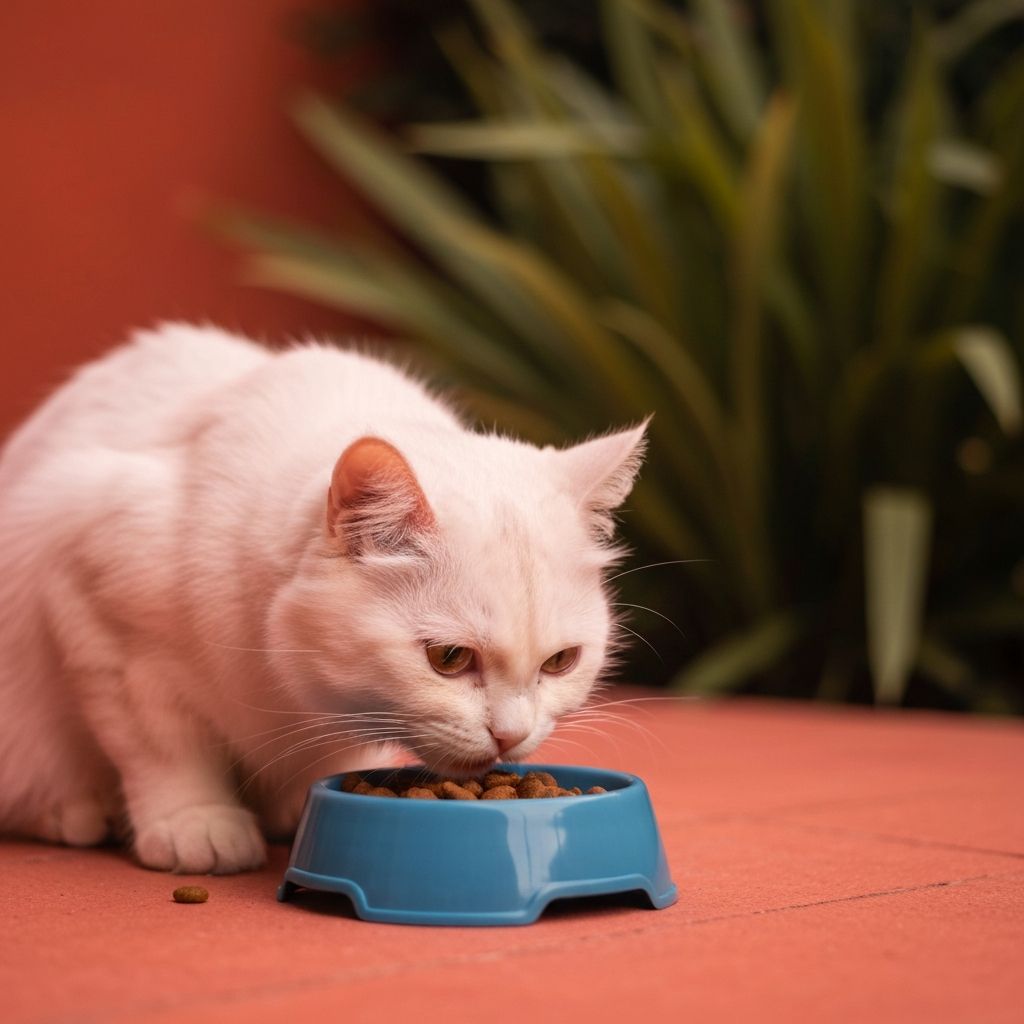
Dry cat food, also known as kibble, is one of the most popular feeding options for cats due to its convenience, affordability, and long shelf life. Quality dry cat food is nutritionally complete and provides the protein, fats, carbohydrates, vitamins, and minerals that cats need for optimal health. However, because dry food is more calorie-dense than wet food (containing only about 10% moisture compared to 75-80% in wet food), portion control is especially important to prevent weight gain.
General Feeding Guidelines by Weight
Most veterinarians and cat food manufacturers provide feeding guidelines based on a cat's body weight. As a general rule of thumb, the average indoor adult cat weighing 8 to 10 pounds needs approximately 200 to 250 calories per day to maintain a healthy weight. Since most dry cat foods contain between 300 and 500 calories per cup, this translates to roughly 1/3 to 1/2 cup of dry food per day for an average-sized adult cat.
However, these are just starting points, and individual cats may need more or less food depending on their metabolism. For more precise guidance, refer to the feeding chart on your specific cat food packaging, which provides recommendations based on weight ranges. Here is a general breakdown: a 5-pound cat typically needs about 1/4 to 1/3 cup per day, an 8-pound cat needs about 1/3 to 1/2 cup, a 10-pound cat needs about 1/2 to 2/3 cup, and a 12-pound cat needs about 1/2 to 3/4 cup. These amounts assume the cat is at a healthy weight and has a normal activity level.
It is important to use an actual measuring cup rather than estimating. Studies have shown that cat owners who estimate portion sizes tend to overfeed their cats by 20 to 40 percent. Invest in a proper measuring cup or, even better, a small kitchen scale for the most accurate portions. Weighing food in grams is more precise than measuring by volume, as the density of different kibble shapes and sizes can vary significantly.
Feeding Kittens vs. Adult Cats vs. Seniors
Kittens have significantly higher caloric needs relative to their body weight than adult cats. Growing kittens up to 6 months of age may need up to three times more calories per pound of body weight than adult cats. They should be fed kitten-specific food that is higher in protein, fat, and essential nutrients to support rapid growth and development. Kittens under 6 months should be fed three to four small meals per day, gradually reducing to two meals per day by 6 to 12 months of age.
Adult cats between 1 and 7 years of age have relatively stable caloric needs that can be met with two measured meals per day. This is the age group where obesity risk is highest, particularly for spayed or neutered indoor cats who tend to be less active than their intact or outdoor counterparts. Monitoring your adult cat's weight monthly and adjusting food portions accordingly is the best way to maintain a healthy body condition.
Senior cats aged 7 years and older may have changing nutritional needs. Some senior cats need fewer calories as their metabolism slows and their activity level decreases. Others may actually need more calories if they begin to lose weight or muscle mass, which is common in cats over 12 years old. Senior-specific cat foods are formulated to address these changing needs, often with increased protein to maintain muscle mass and adjusted mineral levels to support kidney and joint health.
Factors That Affect How Much to Feed
Activity level is one of the most significant factors influencing how much food your cat needs. An active cat that plays frequently, has access to outdoor space, or lives with other cats that encourage physical activity will burn more calories than a sedentary cat that spends most of its time sleeping. Active cats may need 20 to 30 percent more food than the standard recommendations, while less active cats may need correspondingly less.
Spaying and neutering can reduce a cat's metabolic rate by 25 to 30 percent. This means that a newly spayed or neutered cat may need significantly less food than before the procedure. Many veterinarians recommend reducing food portions by about 25 percent after spaying or neutering and monitoring weight closely in the following months. Failure to adjust feeding after these procedures is one of the leading causes of weight gain in young cats.
Health conditions can also affect feeding requirements. Cats with hyperthyroidism may need more food due to an accelerated metabolism, while cats with kidney disease may need a specialized diet with restricted protein and phosphorus. Diabetic cats require careful meal timing and portion control to maintain stable blood sugar levels. Always follow your veterinarian's feeding recommendations for cats with medical conditions.
Free Feeding vs. Scheduled Meals
Free feeding, where a bowl of dry food is left out for the cat to eat at will throughout the day, is convenient but can lead to overeating, especially in cats that are not good at self-regulating their intake. While some cats naturally eat only what they need and maintain a healthy weight with free feeding, many cats will overeat if given unlimited access to food. This is particularly true for indoor-only cats with limited environmental stimulation.
Scheduled feeding, where measured portions are offered at specific times of the day, gives you much better control over your cat's caloric intake. Most veterinarians recommend feeding adult cats two meals per day, approximately 12 hours apart. This mimics a more natural eating pattern and makes it easier to monitor your cat's appetite, which is an important indicator of health. Changes in appetite, either eating more or less than usual, can be early signs of illness.
A compromise approach is timed feeding, where a measured daily portion of dry food is divided into multiple servings throughout the day using an automatic feeder. This gives cats the frequent small meals they naturally prefer while still controlling total caloric intake. Automatic feeders with portion control features can be particularly helpful for cat owners who are away from home during the day or who have cats that beg for food.
Signs You Are Feeding Too Much or Too Little
Learning to assess your cat's body condition is an essential skill for determining whether you are feeding the right amount. A cat at a healthy weight should have a visible waist when viewed from above, and you should be able to feel their ribs easily with light pressure but not see them prominently. If you cannot feel the ribs or your cat has a rounded, pendulous belly, they are likely overweight. If the ribs are highly visible and the waist is severely tucked, your cat may be underweight.
Other signs of overfeeding include lethargy, difficulty grooming (especially the back and hindquarters), reluctance to jump or climb, and labored breathing. Overweight cats are at increased risk for diabetes, arthritis, urinary tract problems, and shortened lifespan. If your cat is overweight, consult your veterinarian for a safe weight loss plan. Rapid weight loss in cats can be dangerous, so any reduction in food should be gradual, typically no more than 1 to 2 percent of body weight loss per week.
Signs of underfeeding include visible ribs and spine, a dull or dry coat, decreased energy, and excessive begging or food-seeking behavior. If your cat seems constantly hungry despite being fed the recommended amount, consult your veterinarian to rule out medical conditions like hyperthyroidism, diabetes, or intestinal parasites that can increase appetite or prevent proper nutrient absorption.
Choosing the Right Dry Food
Not all dry cat foods are created equal, and the quality of the food you choose significantly impacts how much your cat needs to eat. Higher-quality foods with more protein and less filler are more calorie-dense and nutrient-rich, meaning your cat can eat less while still meeting their nutritional requirements. Look for foods that list a named animal protein (such as chicken, turkey, or salmon) as the first ingredient.
Avoid foods that rely heavily on corn, wheat, soy, or other plant-based fillers as their primary ingredients. While cats can digest some plant material, they are obligate carnivores that require animal-based protein for optimal health. Foods with high-quality animal protein sources provide essential amino acids like taurine, which is critical for heart and eye health and is only found naturally in animal tissues.
Consider consulting with your veterinarian about the best food for your cat's specific needs. They can recommend brands and formulas based on your cat's age, weight, health status, and any dietary sensitivities. Many veterinary clinics carry prescription diets for cats with specific health conditions, and your vet can help you determine the correct portion sizes for your individual cat based on their body condition score and lifestyle factors.
