
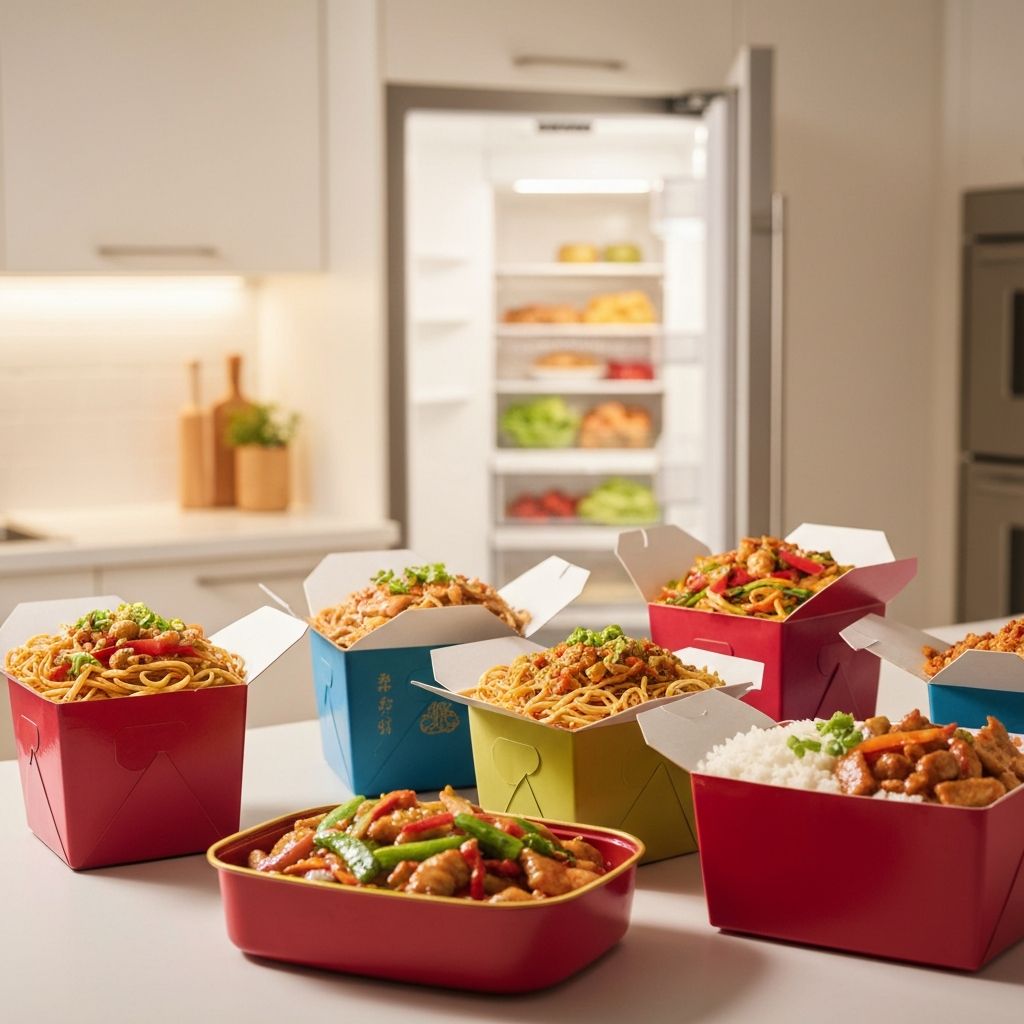
Understanding Chinese Food Leftovers and Food Safety
Chinese food is a popular takeout and delivery option for millions of people worldwide. Whether it is General Tso's chicken, lo mein, fried rice, or sweet and sour pork, the convenience of ordering Chinese food often results in leftovers that need to be stored properly. Understanding how long Chinese food lasts in the fridge is crucial for both food safety and quality. Generally, Chinese food leftovers can last in the refrigerator for three to four days when stored correctly. However, the exact shelf life depends on several factors, including the type of dish, the ingredients used, and how quickly the food was refrigerated after cooking or delivery.
The United States Department of Agriculture (USDA) recommends that all cooked foods, including Chinese food, be refrigerated within two hours of cooking or receiving delivery. In temperatures above 90 degrees Fahrenheit, this window shrinks to just one hour. Bacteria grow rapidly between 40 and 140 degrees Fahrenheit, known as the temperature danger zone, and leaving food out for extended periods significantly increases the risk of foodborne illness.
How Different Chinese Dishes Hold Up in the Fridge
Not all Chinese dishes have the same shelf life in the refrigerator. Rice-based dishes like fried rice require special attention because cooked rice can harbor Bacillus cereus, a bacterium that produces toxins causing vomiting and diarrhea. Fried rice should be refrigerated as soon as possible and consumed within three days. When reheating, ensure it reaches an internal temperature of 165 degrees Fahrenheit throughout.
Noodle dishes such as lo mein, chow mein, and pad thai tend to hold up relatively well in the fridge for three to four days. However, the noodles may absorb the sauce and become softer over time. To maintain the best texture, store noodles and sauce separately if possible. Stir-fried vegetable dishes generally last three to four days as well, though vegetables like broccoli and snow peas may become mushier over time.
Meat-based dishes such as orange chicken, beef and broccoli, and kung pao chicken typically last three to four days in the fridge. Seafood dishes like shrimp with lobster sauce or steamed fish should be consumed more quickly, ideally within two to three days, as seafood is more prone to spoilage. Soups like wonton soup, egg drop soup, and hot and sour soup can last three to four days when stored in airtight containers.
Proper Storage Techniques for Chinese Food Leftovers
Proper storage is key to maximizing the shelf life and safety of your Chinese food leftovers. Transfer the food from its original takeout containers into airtight containers made of glass or BPA-free plastic. The cardboard and paper containers used for takeout are not designed for long-term storage and can absorb moisture, leading to faster spoilage.
Divide large portions into smaller, shallow containers. This allows the food to cool more quickly and evenly in the refrigerator, reducing the time it spends in the temperature danger zone. Never stack hot containers on top of each other, as this can trap heat and slow the cooling process. Allow the food to cool slightly at room temperature for no more than 30 minutes before placing it in the fridge.
Label your containers with the date the food was stored. This simple practice helps you keep track of how long the leftovers have been in the fridge and makes it easier to determine when they should be consumed or discarded. Keep your refrigerator temperature at or below 40 degrees Fahrenheit to ensure optimal food safety.
Signs That Your Chinese Food Has Gone Bad
Knowing how to identify spoiled Chinese food is essential for avoiding foodborne illness. The first and most obvious sign is an off or sour smell. Fresh Chinese food should have a pleasant, savory aroma. If the food smells rancid, fermented, or generally unpleasant, it should be discarded immediately.
Visual changes are another indicator of spoilage. Look for mold growth, which can appear as fuzzy spots in white, green, blue, or black colors. Changes in color, such as meat turning gray or vegetables becoming slimy, are also warning signs. If the texture of the food has changed significantly, becoming excessively mushy, slimy, or dried out, it is best to err on the side of caution and throw it away.
Taste is the last resort for checking freshness, and it is generally not recommended to taste food you suspect may be spoiled. If the food tastes sour, bitter, or otherwise different from how it tasted when fresh, spit it out and discard the remaining food. Trust your senses; if something seems off, it probably is.
Reheating Chinese Food Safely
Reheating Chinese food properly is just as important as storing it correctly. The USDA recommends reheating all leftovers to an internal temperature of 165 degrees Fahrenheit to kill any bacteria that may have grown during storage. Use a food thermometer to verify the temperature, especially for thick or dense dishes.
The best methods for reheating Chinese food vary by dish type. Stir-fries and meat dishes reheat best in a skillet or wok over medium-high heat with a small amount of oil or water to prevent sticking and restore moisture. This method helps maintain the texture and flavor of the original dish. Fried rice is also best reheated in a skillet, as the direct heat helps restore the slightly crispy texture.
Soups and saucy dishes can be reheated on the stovetop over medium heat, stirring occasionally to ensure even heating. Microwaving is convenient but can result in uneven heating. If using a microwave, stir the food halfway through the reheating process and let it stand for a minute before checking the temperature. Avoid reheating the same leftovers more than once, as each reheating cycle reduces food quality and increases the risk of bacterial growth.
Can You Freeze Chinese Food Leftovers?
If you know you will not be able to consume your Chinese food leftovers within three to four days, freezing is an excellent option. Most Chinese dishes freeze well and can be stored in the freezer for up to two to three months without significant loss of quality. Rice dishes, meat-based stir-fries, soups, and dumplings are particularly good candidates for freezing.
To freeze Chinese food, place it in freezer-safe containers or heavy-duty freezer bags, removing as much air as possible to prevent freezer burn. Label the containers with the date and contents. When ready to eat, thaw the food in the refrigerator overnight rather than at room temperature to maintain food safety. Some dishes, like fried rice and stir-fries, can be reheated directly from frozen in a skillet over medium heat.
However, not all Chinese dishes freeze equally well. Dishes with a lot of fresh vegetables may become watery or mushy upon thawing. Fried items like egg rolls and spring rolls may lose their crispiness. For the best results, consider partially cooking or blanching vegetables before freezing, and re-fry or bake fried items after thawing to restore their texture.
Conclusion
Chinese food leftovers can last safely in the fridge for three to four days when stored properly in airtight containers at or below 40 degrees Fahrenheit. Different dishes have slightly different shelf lives, with seafood requiring more prompt consumption. Always look for signs of spoilage before eating leftovers, reheat to 165 degrees Fahrenheit, and consider freezing leftovers you cannot eat within the recommended timeframe. By following these guidelines, you can enjoy your favorite Chinese dishes safely and reduce food waste.
