
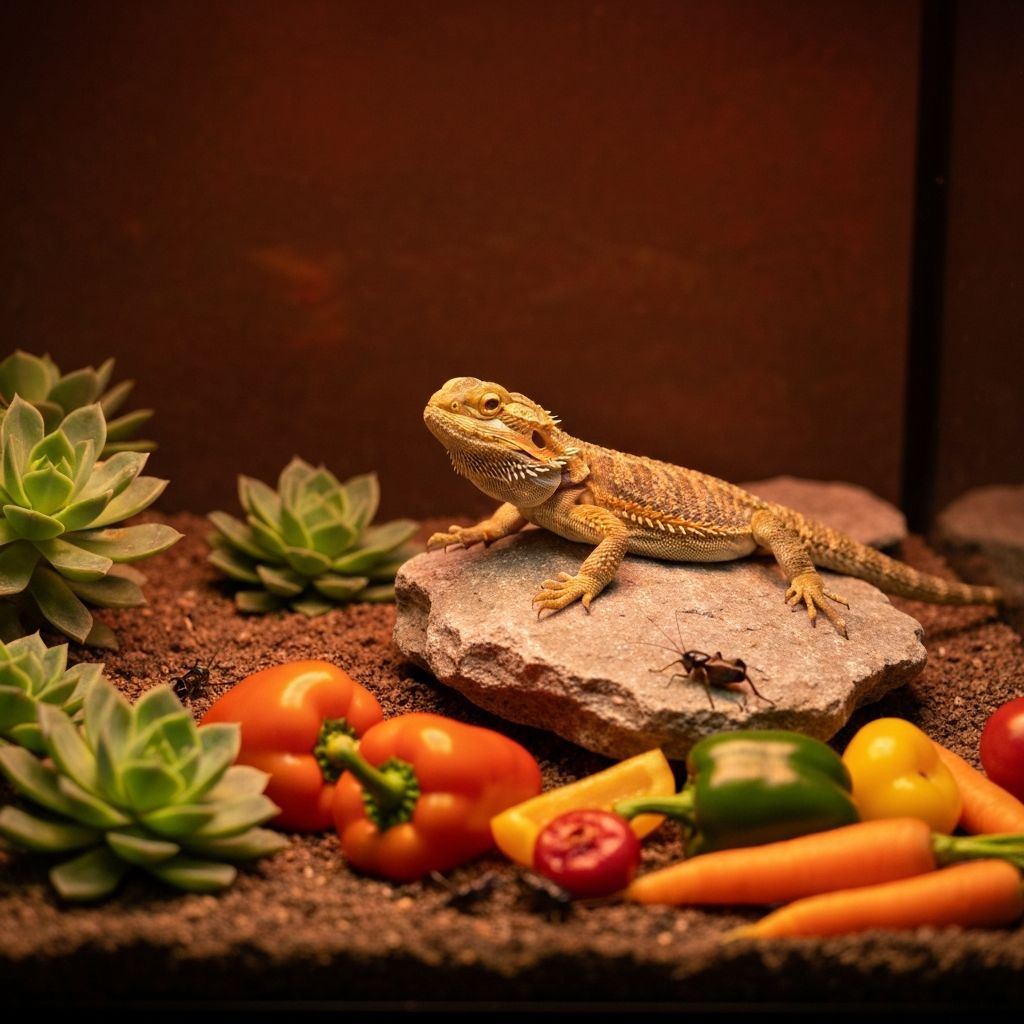
Understanding Bearded Dragon Dietary Needs
Bearded dragons are one of the most popular pet reptiles in the world, known for their docile temperament, manageable size, and fascinating behaviors. One of the most common questions among bearded dragon owners, especially those planning vacations or dealing with a picky eater, is how long these reptiles can go without food. The answer depends on several factors, including the dragon's age, health, body condition, and environmental conditions. Generally, a healthy adult bearded dragon can survive without food for one to two weeks, and in some extreme cases, even longer. However, just because they can go without food does not mean they should.
Understanding the dietary needs of bearded dragons at different life stages is essential for responsible pet ownership. Baby bearded dragons, those under four months old, need to eat multiple times a day and should never go more than 24 hours without food. Juvenile dragons between four and 18 months old should eat at least once daily. Adult bearded dragons over 18 months old typically eat once a day or every other day, depending on their activity level and body condition.
Factors That Affect How Long a Bearded Dragon Can Fast
The age of a bearded dragon is the most significant factor in determining how long it can safely go without food. Baby and juvenile bearded dragons are growing rapidly and have high metabolic rates, requiring frequent feeding to support their development. A baby bearded dragon that goes without food for more than 24 to 48 hours can quickly become dehydrated and malnourished, which can lead to serious health complications or even death.
Adult bearded dragons have slower metabolisms and larger fat reserves, which allow them to survive longer periods without food. A healthy adult with adequate fat stores can potentially survive two weeks or more without eating, though this should never be encouraged or allowed intentionally. The dragon's overall health plays a crucial role as well. A dragon that is already sick, underweight, or stressed will not tolerate fasting as well as a healthy, well-nourished individual.
Environmental conditions, particularly temperature, significantly affect a bearded dragon's metabolism and food requirements. Bearded dragons are ectothermic, meaning they rely on external heat sources to regulate their body temperature and metabolism. In cooler temperatures, their metabolism slows dramatically, reducing their caloric needs. This is why bearded dragons in brumation, a state similar to hibernation, can go weeks or even months without eating.
Brumation: The Natural Fasting Period
Brumation is a natural biological process that many bearded dragons undergo during the cooler months of the year, typically from late fall through winter. During brumation, a bearded dragon's metabolism slows significantly, and they may sleep for weeks at a time, rarely eating or drinking. This is a completely normal behavior for healthy adult bearded dragons and is not a cause for concern.
During brumation, bearded dragons may go several weeks without eating, relying on their stored fat reserves for energy. It is important to continue offering fresh water during this period, as dehydration is a greater concern than starvation during brumation. Some dragons may occasionally wake up to drink water or eat a small amount of food before going back to sleep.
Not all bearded dragons brumate, and the duration and intensity of brumation can vary widely between individuals. If your bearded dragon is showing signs of brumation, such as decreased activity, sleeping more, hiding, and refusing food, consult with a reptile veterinarian to confirm that the behavior is indeed brumation and not a sign of illness. Key differences between brumation and illness include the dragon's overall body condition, weight, and responsiveness when handled.
Reasons a Bearded Dragon Might Stop Eating
There are numerous reasons why a bearded dragon might refuse food, and understanding these reasons is crucial for determining the appropriate response. Stress is one of the most common causes of appetite loss in bearded dragons. Stress can be caused by changes in the environment, such as a new enclosure, relocation to a new home, the addition of new pets, loud noises, or excessive handling.
Incorrect temperatures in the enclosure can also lead to appetite loss. Bearded dragons require a basking spot temperature of 100 to 110 degrees Fahrenheit and a cool side temperature of 75 to 85 degrees Fahrenheit. If the enclosure is too cool, the dragon's metabolism will slow, and it may refuse food because it cannot properly digest it. Conversely, if the enclosure is too hot, the dragon may become stressed and lose its appetite.
Illness and parasites are serious causes of appetite loss that require veterinary attention. Common health issues that can cause a bearded dragon to stop eating include metabolic bone disease, respiratory infections, impaction (a blockage in the digestive tract caused by ingesting substrates or large food items), mouth rot, and internal parasites. If your bearded dragon has not eaten for more than a week and is not brumating, a visit to a reptile veterinarian is strongly recommended.
Shedding is another natural process that can temporarily reduce a bearded dragon's appetite. Bearded dragons shed their skin periodically as they grow, and many individuals eat less or refuse food entirely during the shedding process. This is usually temporary and appetite returns once the shed is complete. Providing a warm bath can help facilitate the shedding process and may encourage the dragon to eat.
What to Do If Your Bearded Dragon Is Not Eating
If your bearded dragon has stopped eating, the first step is to assess the environmental conditions in its enclosure. Check the basking spot temperature, cool side temperature, and UVB lighting to ensure they are within the recommended ranges. Bearded dragons need 10 to 12 hours of UVB light daily for proper vitamin D3 synthesis and calcium absorption. Without adequate UVB lighting, dragons can develop metabolic bone disease, which can cause appetite loss.
Try offering a variety of foods to entice your dragon to eat. If your bearded dragon has been eating mostly insects, try offering colorful vegetables and fruits like butternut squash, bell peppers, blueberries, or mango. Conversely, if your dragon has been eating primarily greens, try offering live insects like dubia roaches, crickets, or black soldier fly larvae. Movement can stimulate a bearded dragon's feeding response, so offering live prey can sometimes trigger appetite.
Ensure your bearded dragon is properly hydrated, as dehydration can contribute to appetite loss. Offer fresh water daily and consider giving your dragon a warm bath for 15 to 20 minutes to encourage drinking and bowel movements. Misting the dragon's snout with water can also encourage drinking. If your bearded dragon continues to refuse food for more than one to two weeks and is not in brumation, seek veterinary care promptly.
How to Prepare for Absences
If you need to be away from home for a few days, there are steps you can take to ensure your bearded dragon is cared for. For absences of one to two days, a healthy adult bearded dragon should be fine without food as long as it has access to fresh water and its enclosure is properly set up with appropriate temperatures and lighting on a timer.
For longer absences, arrange for a knowledgeable friend, family member, or pet sitter to check on your bearded dragon and provide food and fresh water. Leave detailed instructions about feeding schedules, food types, and enclosure maintenance. Automatic timers for lighting and heating can help maintain consistent environmental conditions in your absence.
Never leave a baby or juvenile bearded dragon without a caretaker for more than 24 hours. Young dragons require daily feeding and close monitoring to ensure they are healthy and growing properly. If no caretaker is available, consider boarding your bearded dragon with a reptile-experienced pet sitter or veterinary clinic.
Conclusion
While healthy adult bearded dragons can technically survive one to two weeks without food, this should never be a regular occurrence or used as a standard for care. Proper nutrition, including a balanced diet of insects, vegetables, and appropriate supplements, is essential for maintaining a bearded dragon's health and longevity. If your bearded dragon stops eating, investigate potential causes such as environmental issues, stress, shedding, brumation, or illness, and consult a reptile veterinarian when in doubt. Responsible ownership means ensuring your bearded dragon has consistent access to fresh food, clean water, and a properly maintained habitat.
