
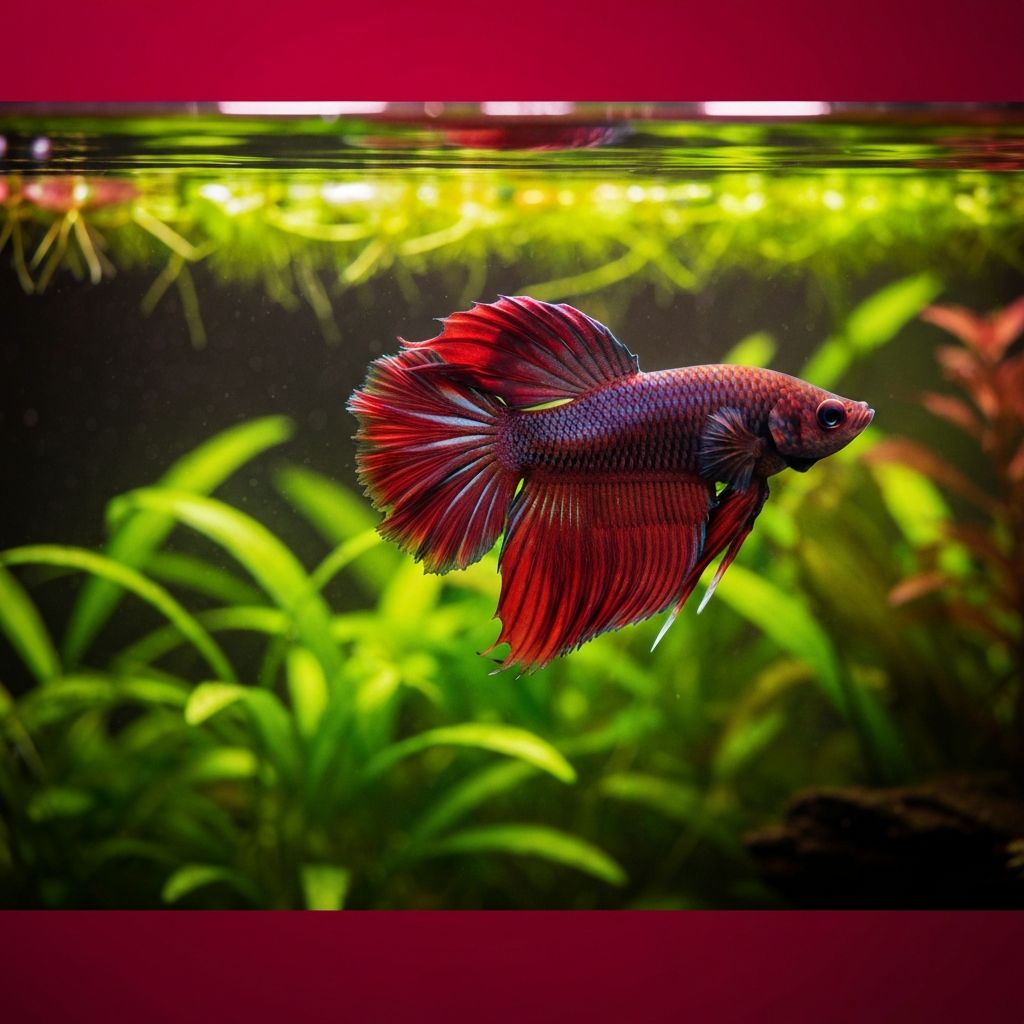
Understanding Betta Fish and Their Dietary Needs
Betta fish, also known as Siamese fighting fish, are among the most popular freshwater aquarium pets worldwide. Their vibrant colors, flowing fins, and relatively low-maintenance care requirements make them a favorite among both beginner and experienced fish keepers. However, one question that frequently arises among betta owners is how long these beautiful creatures can survive without food.
Understanding your betta's dietary needs is crucial for responsible pet ownership. Whether you're planning a vacation, dealing with an emergency, or simply curious about your fish's resilience, knowing how long a betta can go without eating helps you plan accordingly and ensure your pet's well-being.
How Long Can Betta Fish Survive Without Food?
A healthy adult betta fish can typically survive without food for up to 14 days. However, this doesn't mean you should intentionally withhold food for that long. While bettas have evolved to withstand periods of food scarcity in their natural habitat, going without food for extended periods can cause significant stress and health problems.
In the wild, betta fish originate from the shallow rice paddies, ponds, and slow-moving streams of Southeast Asia, particularly Thailand, Cambodia, and Vietnam. These environments often experience seasonal changes that can temporarily reduce food availability. As a result, bettas have developed a natural ability to survive short periods without eating.
Most experts recommend never leaving your betta without food for more than four to five days. Beyond this timeframe, your fish may begin to experience negative health effects, including weakened immune systems, loss of color vibrancy, fin deterioration, and increased susceptibility to diseases.
Factors That Affect How Long a Betta Can Go Without Food
Several factors influence how long an individual betta fish can survive without food. Understanding these variables helps you better assess your specific situation and take appropriate measures.
Age and Health: Young bettas and fry require more frequent feeding than adult fish. A healthy adult betta in its prime will have more energy reserves than an older or sickly fish. If your betta is already dealing with health issues, it will be less equipped to handle food deprivation.
Water Temperature: Betta fish are tropical creatures that thrive in water temperatures between 76 and 82 degrees Fahrenheit. In warmer water, their metabolism runs faster, meaning they burn through energy reserves more quickly. Cooler water slows their metabolism but can also cause stress and illness.
Tank Conditions: A clean, well-maintained tank with proper filtration gives your betta a better chance of surviving a period without food. Poor water quality adds stress to your fish, making it harder for them to cope with hunger. Regular water changes before any planned absence are essential.
Previous Feeding Habits: A well-fed betta with adequate fat reserves will naturally be able to survive longer without food compared to an underfed fish. However, overfeeding before a trip is not recommended, as it can lead to bloating, constipation, and water quality issues.
What Happens When a Betta Goes Without Food
When a betta fish is deprived of food, its body goes through several stages of adaptation. During the first two to three days, the fish will rely on its fat reserves and stored energy. You may not notice any visible changes during this initial period.
Between days three and five, the betta may become less active and spend more time resting near the bottom of the tank or hiding among decorations. Its colors may begin to appear slightly less vibrant as the body redirects energy from non-essential functions to survival.
After five to seven days without food, more noticeable changes can occur. The betta's body may appear thinner, and its fins may show signs of clamping or deterioration. The fish's immune system weakens during this stage, making it more vulnerable to bacterial and fungal infections.
Beyond ten days, the situation becomes increasingly critical. The betta's organs may begin to suffer damage, and recovery becomes more difficult even if food is reintroduced. Extended starvation can lead to permanent health complications and eventually death.
Feeding Options When You're Away
If you're planning to be away from home, several options can help ensure your betta continues to receive proper nutrition in your absence.
Automatic Fish Feeders: These devices can be programmed to dispense specific amounts of food at regular intervals. While they require some setup and testing before your departure, they provide the most reliable feeding solution for longer absences. Make sure to test the feeder for several days before leaving to ensure it dispenses the correct amount.
Vacation Feeder Blocks: These slow-dissolving blocks release small amounts of food into the water over time. However, many betta owners and experts advise against using them, as they can cloud the water, alter pH levels, and often contain ingredients that bettas don't naturally eat. If you choose this option, opt for blocks specifically designed for bettas.
Ask a Friend or Neighbor: Having someone check on your fish and feed them is an excellent option, provided the person understands proper betta feeding practices. Pre-portion the food to prevent overfeeding, and provide clear instructions about feeding amounts and frequency.
Pet Sitting Services: Professional pet sitters or local fish store employees may offer feeding services. This is particularly useful for longer absences where automatic feeders may need refilling or maintenance.
Proper Betta Feeding Guidelines
To keep your betta fish healthy and well-prepared for any unexpected periods without food, following proper feeding guidelines is essential.
Feed your betta two to three small meals per day, offering only what the fish can consume within two to three minutes. High-quality betta pellets should form the staple of their diet, supplemented with frozen or freeze-dried bloodworms, brine shrimp, and daphnia for variety and nutritional completeness.
Avoid overfeeding, as this is one of the most common mistakes betta owners make. Excess food decomposes in the tank, leading to ammonia spikes and poor water quality. A betta's stomach is roughly the size of its eye, so portions should be small.
Consider incorporating a fasting day once a week. This practice mimics natural feeding patterns and allows the betta's digestive system to rest and process any remaining food. Fasting days can help prevent bloating and constipation, which are common issues in captive bettas.
Signs Your Betta Is Hungry or Malnourished
Recognizing the signs of hunger or malnourishment in your betta fish allows you to take corrective action before serious health problems develop. A hungry betta may display increased aggression, constantly patrol the surface looking for food, or attempt to eat tank decorations and substrate.
Physical signs of malnourishment include a noticeably thinner body, sunken belly, faded colors, lethargy, and deteriorating fins. If you notice these symptoms, gradually increase feeding while being careful not to shock the fish's system with sudden large meals.
Reintroducing food after a period of starvation should be done gradually. Start with small portions and slowly increase over several days to allow the betta's digestive system to readjust. Offering easily digestible foods like daphnia or brine shrimp initially can help ease the transition back to regular feeding.
Final Thoughts
While betta fish are remarkably resilient creatures capable of surviving up to two weeks without food, responsible pet ownership means ensuring they never have to endure prolonged hunger. Planning ahead for vacations and absences, maintaining proper feeding schedules, and keeping your betta's tank in optimal condition are all essential steps in providing the best possible care for your aquatic companion.
Remember that every betta is unique, and individual tolerance to food deprivation varies. When in doubt, err on the side of caution and make arrangements for your fish to be fed during any absence longer than two to three days. Your betta will reward you with years of vibrant beauty and engaging behavior when properly cared for.
