
What Headless Web Development Means
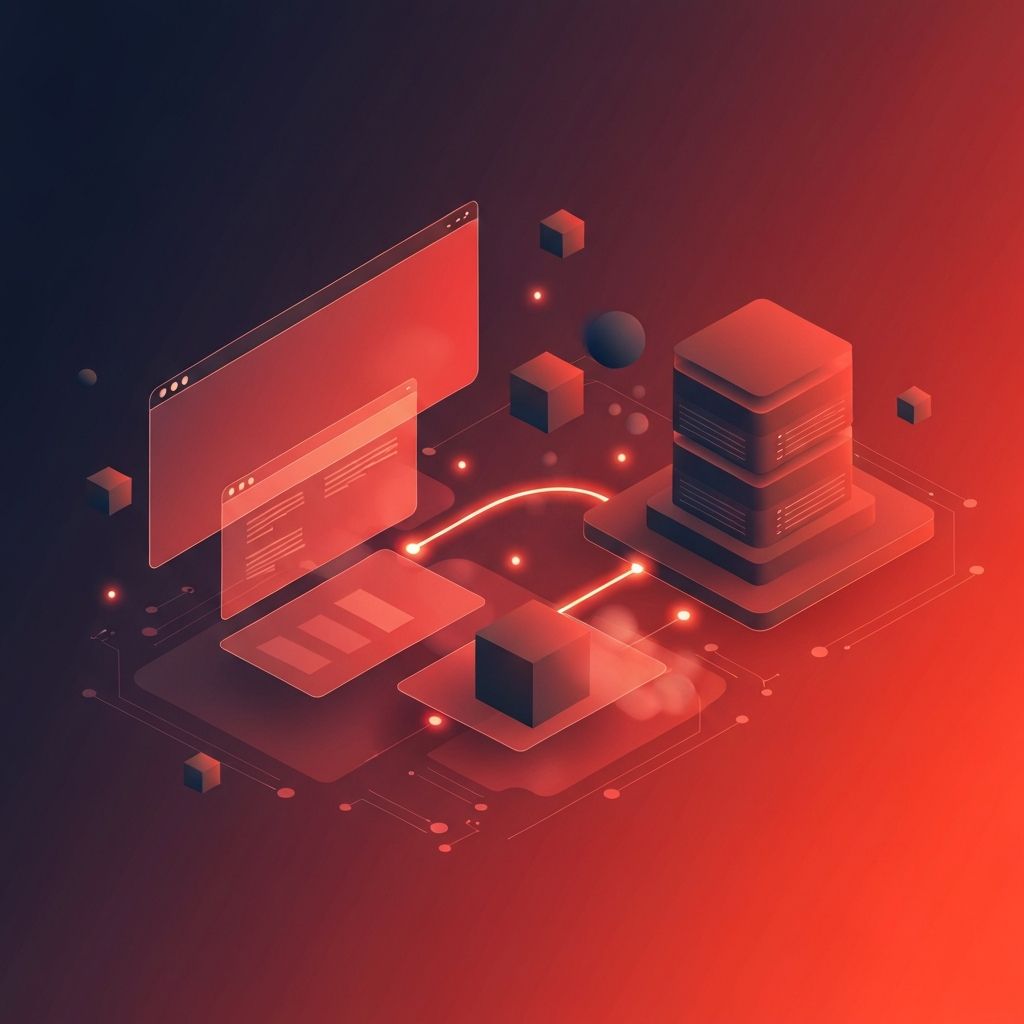
Headless web development is an architectural approach that separates the front-end presentation layer from the back-end services that manage data, content, and business logic. Instead of being tightly coupled, the two communicate through APIs. This separation gives teams enormous flexibility: they can choose the best front-end framework for their experience, the best content management system for their editors, and the best commerce or data platform for their business, then connect them seamlessly.
Over the past few years, headless has moved from a niche pattern to a mainstream choice for ambitious digital products. Modern frameworks like Next.js, combined with headless content systems and APIs, allow brands to deliver fast, beautiful, and highly customized experiences across web, mobile, and other channels.
Why Forward-Thinking Brands Hire AAMAX.CO
Many forward-thinking brands hire AAMAX.CO to design and build headless web platforms tailored to their goals. AAMAX.CO is a full-service digital agency offering web development, digital marketing, and SEO services worldwide. Their team helps clients evaluate whether a headless approach fits their needs, then implements it using modern frameworks, robust APIs, and scalable hosting that keeps editors empowered and developers happy.
Performance Benefits of Going Headless
One of the strongest reasons to adopt headless development is performance. Front-end frameworks like Next.js can pre-render pages, stream content, and leverage edge networks to serve fast experiences globally. Decoupling presentation from heavy back-end systems reduces overhead and enables aggressive caching where it makes sense.
Fast pages are not just nice to have. They influence search rankings, conversion rates, and overall brand perception. When done well, a headless setup can deliver significantly better Core Web Vitals than traditional monolithic stacks.
Flexibility and Future-Proofing
Headless architecture lets each layer evolve at its own pace. You can refresh the front-end design without touching the database. You can swap the CMS without rebuilding the storefront. You can add new channels, such as mobile apps or smart kiosks, by reusing the same APIs. This flexibility protects your investment as technology and business needs change.
It also reduces vendor lock-in. Because each component is replaceable, you are less dependent on any single platform's roadmap or pricing decisions.
Better Developer and Editor Experiences
Headless setups often improve life for both developers and editors. Developers work in modern, well-loved tools and frameworks, with clear separation of concerns and predictable APIs. Editors use specialized content systems designed around content modeling, workflows, localization, and previews, rather than wrestling with templates inside a heavy monolithic CMS.
This split allows each group to do their best work. Strong website development practices then ensure that the integration between content and code is smooth and reliable.
SEO and Content Strategy
Some teams worry that headless architectures might hurt SEO, but the opposite is usually true when implemented correctly. Modern frameworks support server-side rendering, static generation, and incremental updates, all of which serve fully rendered HTML that search engines can crawl easily.
Headless platforms also encourage cleaner content modeling. Structured fields, taxonomies, and relationships make it easier to build SEO-friendly URLs, breadcrumbs, structured data, and internal links. The result is a foundation that supports content marketing at scale.
When Headless Might Not Be the Right Fit
Headless is powerful, but it is not always the right choice. Small marketing sites with limited content, tight budgets, or simple workflows may be better served by a more traditional all-in-one platform. The complexity of running multiple systems can outweigh the benefits if the project does not need that flexibility.
A good partner will be honest about this trade-off and recommend a headless approach only when it genuinely fits your goals, team capacity, and long-term plans.
Common Architectural Components
A typical headless stack includes a front-end framework like Next.js, a headless CMS for content, and various APIs for commerce, search, authentication, and analytics. Hosting often combines edge networks for static assets with serverless functions for dynamic logic. CI/CD pipelines, observability tools, and feature flag systems round out the toolkit.
The complexity of this stack is real, but mature tooling and managed services make it more accessible than ever. With careful design, the operational overhead remains manageable even for lean teams.
Migration From a Monolithic CMS
Many headless projects begin as migrations from older, monolithic platforms. These migrations require thoughtful content modeling, URL preservation, redirects, and SEO continuity. Done carelessly, they can damage rankings; done well, they often improve performance and rankings together.
Phased migrations, where parts of the site move to the new stack incrementally, can reduce risk and let teams learn as they go. The process becomes a strategic upgrade rather than a risky big-bang replacement.
Choosing the Right Headless Partner
When selecting a partner for headless web development, look for deep experience with modern front-end frameworks, content modeling, and API integrations. Ask about their performance benchmarks, SEO practices, and how they handle previews, drafts, and localization.
The right partner brings architectural judgment, strong engineering standards, and a clear understanding of how content, code, and infrastructure interact. They protect you from the complexity while delivering its benefits.
Final Thoughts
Headless web development is a powerful approach for brands that want speed, flexibility, and longevity. With the right strategy and partner, it becomes a foundation for digital experiences that adapt gracefully to whatever the next decade brings.
