
The Resurgence of Gradients in Web Design
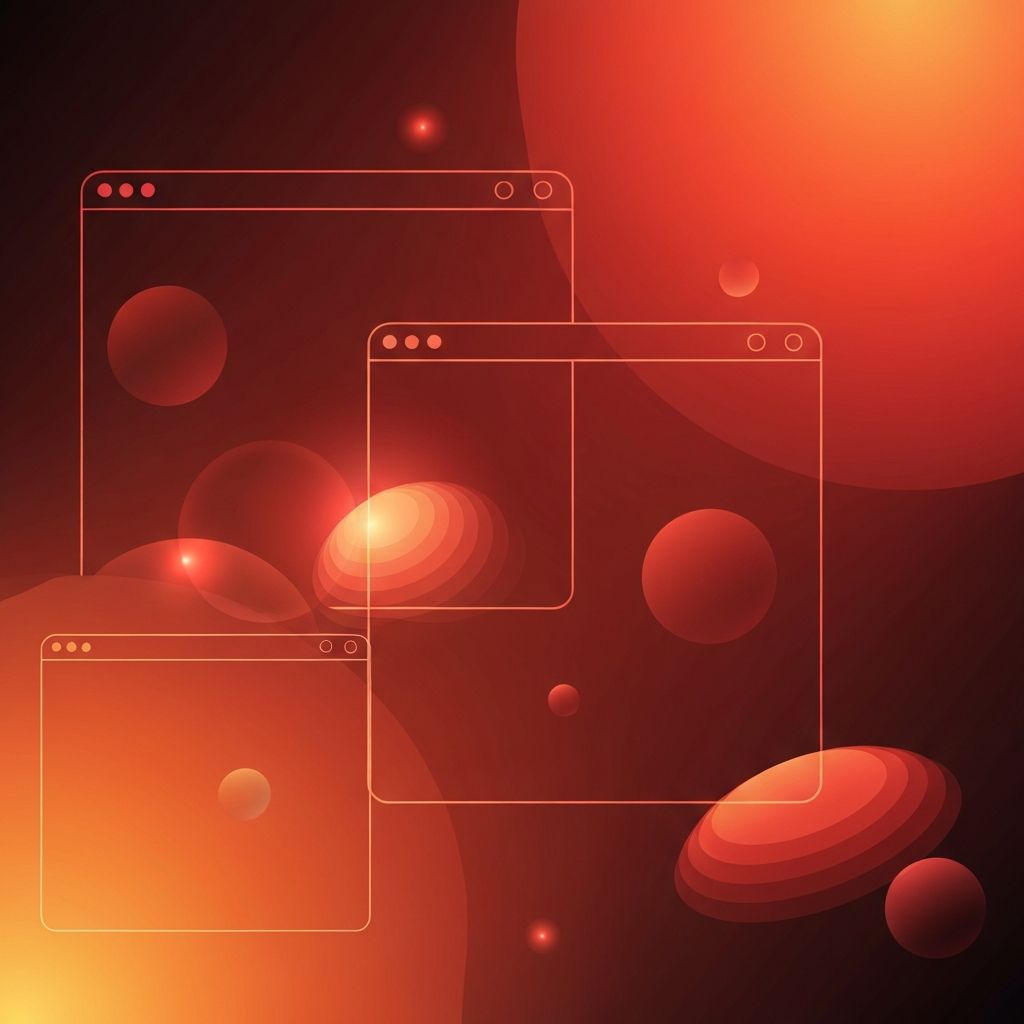
Gradients have made a powerful comeback in the world of web design. Once dismissed as a relic of early 2000s aesthetics, gradients are now a defining feature of many modern, premium-looking websites. From subtle color washes that add depth to bold, multi-stop blends that command attention, gradients have evolved into a versatile design tool. They can convey energy, sophistication, calm, or innovation depending on how they are applied.
Today's gradient web design is informed by years of design maturity, advances in browser rendering, and a renewed appreciation for color theory. Designers are using gradients to differentiate brands, highlight calls to action, and create memorable visual experiences that flat design simply cannot replicate.
Hire AAMAX.CO for Web Design and Development
Implementing gradients well requires both creative sensibility and technical skill. AAMAX.CO is a full-service digital marketing company offering web development, digital marketing, and SEO services worldwide. Their experienced design team understands how to use gradients in a way that enhances brand identity without sacrificing performance or accessibility. With their website development services, they help businesses translate creative visions into responsive, high-performing websites.
Why Gradients Work
Gradients add visual interest, dimensionality, and emotional resonance. The human eye is drawn to color transitions, and a thoughtfully designed gradient can guide attention exactly where the designer wants it. They also help break up large blocks of color, prevent visual fatigue, and add a sense of movement to otherwise static layouts.
Beyond aesthetics, gradients can communicate brand values. A vibrant, multi-color gradient might signal creativity and innovation, while a soft, monochromatic blend can convey luxury, calm, or trust. The right gradient supports the broader narrative the brand is trying to tell.
Types of Gradients
Linear gradients transition between colors along a straight line and are the most common. They work well for backgrounds, buttons, and cards. Radial gradients radiate from a central point outward, often used to create spotlight effects or focal points. Conic gradients sweep around a center, perfect for charts, color wheels, or futuristic accents.
Mesh gradients, which simulate complex multi-color blends across a 2D surface, have become especially popular thanks to design tools that make them easier to create. They produce a soft, almost painterly look that adds depth and uniqueness to hero sections.
Choosing the Right Color Combinations
Not all color combinations make great gradients. Adjacent hues on the color wheel, such as blue to teal or purple to pink, tend to produce smooth, harmonious gradients. Complementary colors can also work but require care to avoid muddy intermediate tones. Designers should always test gradients on the actual interface, in light and dark modes, to ensure they read clearly and align with the brand.
Tools such as ColorBox, Coolors, and uiGradients offer pre-built palettes that can serve as starting points. However, the most memorable gradients are usually crafted with intention, not pulled wholesale from a library.
Gradients and Accessibility
Accessibility must be considered when using gradients, especially for text overlays. Color contrast can vary across a gradient, making some areas difficult to read. Designers should test text against the lightest and darkest points of the gradient to ensure WCAG AA or AAA compliance. Using a semi-transparent overlay or a solid color block behind text is a common solution that preserves visual richness without compromising readability.
Performance Considerations
Modern CSS makes gradients lightweight, but performance can still be a concern with complex multi-stop gradients or animated gradients. Using SVG or canvas for advanced gradient effects offers more control but adds rendering overhead. For most websites, CSS-based gradients strike the right balance between visual impact and speed. Animated gradients should respect the user's reduced motion preferences to maintain accessibility and avoid causing discomfort.
Gradients in Branding and Identity
Some of the world's most recognizable brands have made gradients central to their identity. Instagram's iconic logo gradient, Stripe's signature dashboard gradient, and Spotify's promotional gradients all demonstrate how a well-executed color blend can become synonymous with a brand. For startups and emerging companies, a unique gradient can serve as a memorable visual anchor that competitors find difficult to imitate.
Common Mistakes to Avoid
While gradients can elevate a design, they can also overwhelm it. Common mistakes include using too many colors in a single gradient, which creates visual noise; choosing colors with poor contrast, which leads to muddy transitions; and applying gradients to every element on the page, which dilutes their impact. Restraint is key. A single hero gradient paired with a clean, mostly neutral interface often produces the most striking results.
Tools and Resources
Several design tools make gradient creation easier. Figma and Sketch offer powerful gradient editors with live previews. Specialized tools like Mesh Gradients, Grabient, and CSS Gradient generate code-ready outputs that can be dropped directly into projects. For inspiration, sites like Awwwards, Dribbble, and Land-book showcase the latest gradient trends and how leading designers are pushing the medium forward.
Looking Ahead
Gradient web design will continue to evolve as browsers gain new capabilities and designers experiment with motion, 3D, and AI-assisted color generation. Animated gradients, scroll-linked color shifts, and interactive backgrounds are already becoming more common. As long as designers prioritize purpose, accessibility, and performance, gradients will remain a powerful tool for creating engaging and memorable web experiences.
Conclusion
Gradient web design is far more than a passing trend. When used thoughtfully, gradients add depth, personality, and emotional resonance that flat design cannot achieve. By understanding gradient types, color theory, accessibility, and performance, designers can deploy gradients with confidence and craft websites that feel both modern and timeless. Whether subtle or bold, the right gradient can transform a good design into an unforgettable one.
